
Physiotherapy for Painful Intercourse (Dyspareunia)

Quick answer
Physiotherapy for painful intercourse (dyspareunia) treats pelvic floor muscle tension and related causes with gentle hands-on therapy, relaxation techniques, and graded exercises, in private, respectful sessions.
- Often relates to pelvic floor muscle tension
- Private, respectful, one-to-one care
- Book directly, we do not ask for a referral. Red-flag symptoms need medical care first
- We check every physiotherapist’s registration details before their profile goes live
What is painful intercourse (dyspareunia)?
Dyspareunia is pain during or after intercourse, which can involve tight or overactive pelvic floor muscles, scar tissue, or tension, though causes vary. Physiotherapy helps by assessing the pelvic floor and treating contributing factors with gentle hands-on therapy, relaxation, and graded exercises, in confidential and respectful sessions. Any intimate or internal assessment happens only with your informed consent and privacy, and you can stop at any time. Internal assessment is not mandatory to book or begin care, and your physiotherapist should explain all options and only proceed with your consent.
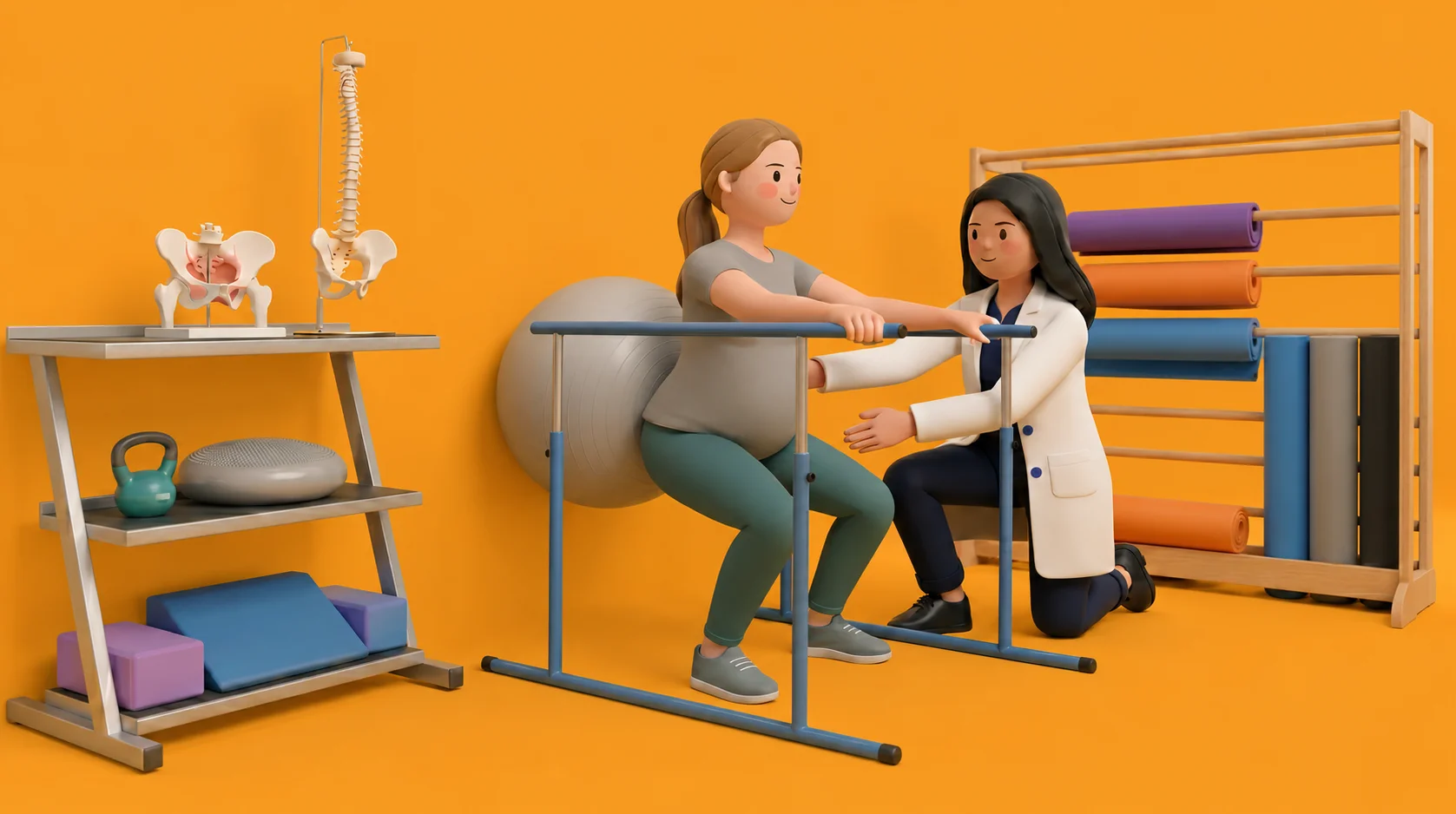
Women's Health Physiotherapy
Painful Intercourse (Dyspareunia) is assessed and treated under Women's Health physiotherapy (pregnancy & pelvic health). Prenatal, postnatal, and pelvic floor physiotherapy for every stage of a woman's life. Requires relevant specialty training and works alongside your medical team where needed. Any intimate or internal assessment is consent-based, private, and optional, and you can stop at any time. Internal assessment is not mandatory to book or begin care.
How physiotherapy helps
- Pelvic floor assessment
- Manual therapy and trigger-point release
- Pelvic floor relaxation (down-training)
- Graded dilator therapy where appropriate
- Education and gradual progression
Common signs
- Pain at entry or with deeper intercourse
- A sensation of tightness
- Pain that continues after intercourse
- Anxiety around intimacy
- Related pelvic discomfort
In-clinic vs home visit physiotherapy
| What to compare | In-clinic | Home visit |
|---|---|---|
| Typical fee | ₹300 to ₹1,500 a session. It depends on your city. | ₹400 to ₹2,000 a session. It depends on your city. |
| Exact fee | Set by each physiotherapist and shown on their profile | Set separately for home visits and shown on their profile |
| Best for | Equipment-based rehab and first assessments | Limited mobility, post-surgery, and elderly care |
| Equipment | Full clinic setup | Portable equipment the physiotherapist brings |
| Travel | You travel to the clinic | The physiotherapist comes to you |
| Booking | Pick a clinic slot on search | Filter by home visit on search |
Clinical rehabilitation framework
Evidence-informed clinical progression and starter exercise targets for painful intercourse (dyspareunia).
Clinical progression criteria & key observations
- Confirm the woman can correctly CONTRACT (not bear down/strain) the pelvic floor before prescribing a home programme: a significant proportion of women do it backwards on verbal instruction alone
- Stress and urge incontinence respond to different strategies (strength/timing vs bladder training): treating both the same way under-serves mixed presentations
Starter exercise targets & evidence-based dosage
When to seek urgent care
Physiotherapy is safe for most people. See a doctor urgently if you have any of these.
- Bleeding after intercourse, bleeding between periods, or any bleeding after menopause, which needs medical review
- New severe pelvic pain, especially if sudden or worsening
- Pelvic pain with fever, chills, body aches, unusual or foul-smelling discharge, burning, or sudden worsening symptoms, which can suggest infection and needs medical attention
Seek urgent medical care first. Physiotherapy comes after, when it is safe.
Frequently asked questions
Is treatment for painful intercourse private?
Can I get physiotherapy for painful intercourse at home?
How much does physiotherapy for painful intercourse cost in India?
Related conditions & care


Clinical guides & articles for painful intercourse (dyspareunia)
Evidence-informed articles, recovery timelines, and home care advice from our clinical library.
Vaginismus and Pelvic Muscle Spasm: Gentle Pelvic Floor Down-Training and Dilator Therapy
Involuntary pelvic floor muscle spasms make intimacy or gynaecological exams painful or impossible. Learn how gentle pelvic health down-training restores comfort.
Chronic Pelvic Pain: Soothing Nerve Irritation, Pudendal Neuralgia, and Deep Hip Tension
Persistent burning, aching, or nerve irritation in the pelvic bowl requires specialized neural decompression and myofascial down-training rather than endless antibiotics.
Find physiotherapists for painful intercourse (dyspareunia) by city
Verified physiotherapists treat painful intercourse (dyspareunia) in these cities. Home visit and in-clinic options vary by physiotherapist.
Find a physiotherapist for painful intercourse (dyspareunia)
Compare physiotherapists by fee, experience, and availability. Clinic visits and home visits across India.
This page is for general education and booking guidance. It does not diagnose your condition or replace medical care.
If your symptoms are severe, sudden, or getting worse, seek urgent medical care first. The same applies with fever, chest pain, breathlessness, fainting, new weakness, loss of bladder or bowel control, or unexplained bleeding.
Always consult a qualified physiotherapist or doctor about your condition.