
Physiotherapy for Parkinson's Disease

Quick answer
Physiotherapy helps people with Parkinson's disease stay mobile, balanced, and independent through exercises for walking, posture, and movement, alongside medical care. Regular physiotherapy can ease stiffness and lower the risk of falls.
- Helps maintain mobility and lower fall risk
- Home visits suit regular sessions at home
- Works alongside your medical care
- We check every physiotherapist’s registration details before their profile goes live
What is Parkinson's disease?
Parkinson's disease is a long-term condition that affects movement, causing slowness, stiffness, tremor, and balance problems. Physiotherapy does not cure it, but it helps you keep moving well, manage symptoms, and stay independent for longer, working alongside your neurologist and doctor. Staying active is one of the most useful things for living well with Parkinson's.
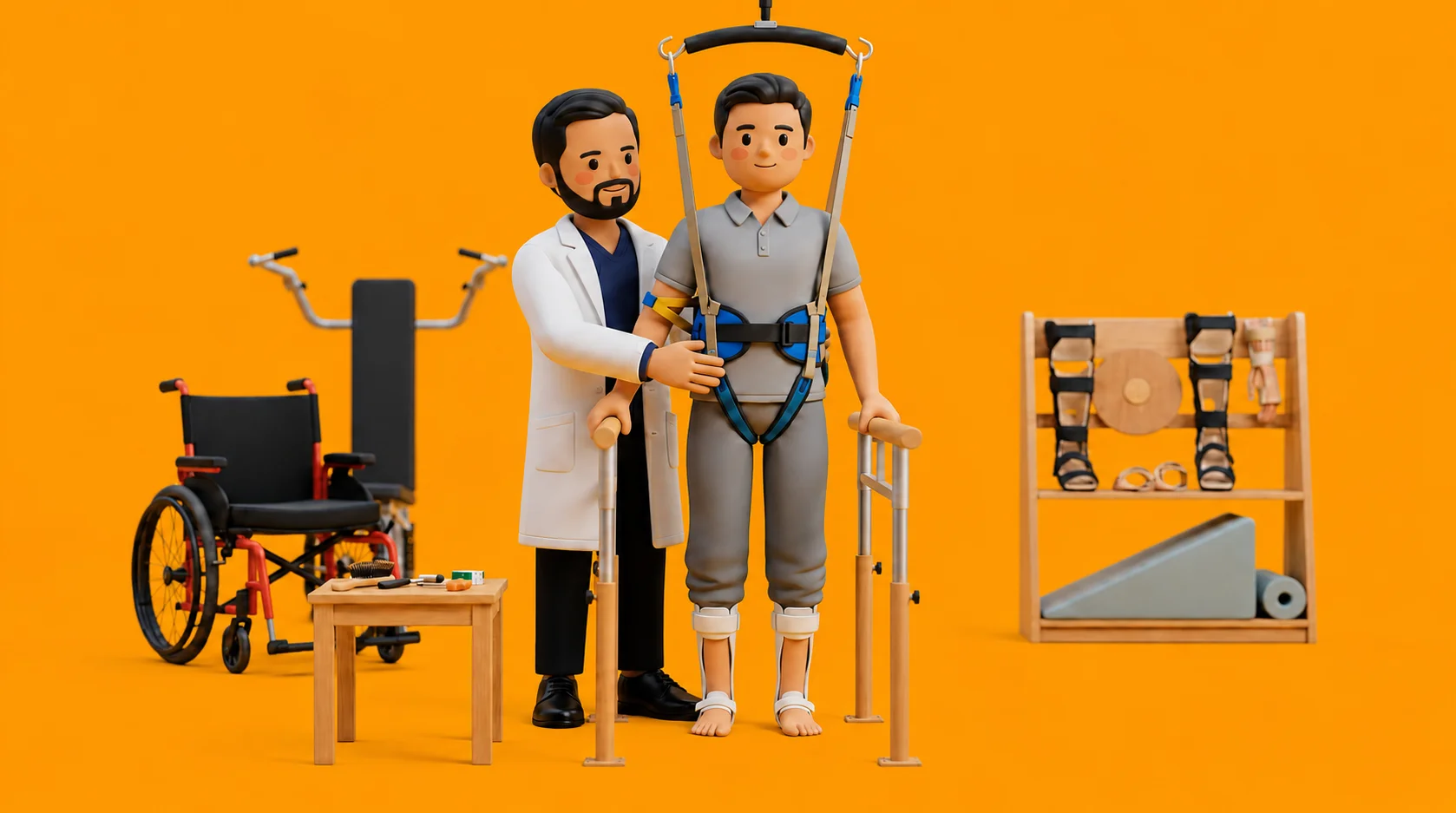
Neurological Physiotherapy
Parkinson's Disease is assessed and treated under Neurological physiotherapy (nerves & brain). Stroke recovery, nerve rehabilitation, and neurological movement disorders.
How physiotherapy helps
- Walking practice, including cues for freezing episodes
- Balance training and fall prevention
- Large, deliberate movement exercises
- Posture work
- A plan to keep you active and confident
Common signs
- Slowness of movement
- Muscle stiffness
- Tremor, often in a hand
- Balance problems or falls
- Small, shuffling steps or freezing while walking
In-clinic vs home visit physiotherapy
| What to compare | In-clinic | Home visit |
|---|---|---|
| Indicative fee band | BookPhysio guide: ₹300 to ₹1,500 a session. This is not a measured average; check the physiotherapist's current profile for the exact fee. | BookPhysio guide: ₹400 to ₹2,000 a session. This is not a measured average; check the physiotherapist's current profile for the exact home-visit fee. |
| Exact fee | Set by each physiotherapist and shown on their profile when an in-clinic fee is listed | Set separately for home visits and shown on their profile when a home-visit fee is listed |
| Decision factors | A clinic setting may offer equipment or facilities that are useful for some sessions. Ask the physiotherapist what is available and appropriate for your appointment. | A home visit can reduce travel when mobility, transport, or convenience matters. Confirm the service area and whether a home visit is appropriate with the physiotherapist. |
| Equipment availability | Varies by clinic and physiotherapist. Ask what equipment or facilities are available. | Varies by physiotherapist and appointment. Ask what they bring for a home visit. |
| Travel | You travel to the clinic | The physiotherapist comes to you |
| Finding an option | Choose an in-clinic option only when the physiotherapist lists it on their profile | Use the home-visit filter and confirm the physiotherapist covers your area |
Clinical rehabilitation framework
Evidence-informed clinical progression and starter exercise targets for Parkinson's disease.
Clinical progression criteria & key observations
- Assess at a consistent point in the medication cycle and record ON/OFF state; function can differ dramatically between states
- External cues (rhythm, lines, counting) bypass the impaired internal timing and are first-line for freezing of gait
- Aim for moderate to high intensity aerobic work where safe: the strongest evidence for slowing motor decline sits there
Starter exercise targets & evidence-based dosage
When to seek urgent care
Physiotherapy is safe for most people. See a doctor urgently if you have any of these.
- A fall that causes injury or a knock to the head
- Sudden, marked worsening of movement or new symptoms
- Difficulty swallowing or frequent choking, which needs medical review
- New hallucinations or confusion
- Sudden severe freezing or falls
- Sudden deterioration after a medication change, which needs your neurologist or doctor
Seek urgent medical care first. Physiotherapy comes after, when it is safe.
Frequently asked questions
Does physiotherapy help Parkinson's disease?
Can I get physiotherapy for parkinson's disease at home?
How much does physiotherapy for parkinson's disease cost in India?
Related conditions & care


Clinical guides & articles for Parkinson's disease
Evidence-informed articles, recovery timelines, and home care advice from our clinical library.
Parkinson's Corridor Freezing of Gait: Laser, Tape Cueing, and Home Physio in Indian Households
Sudden foot freezing at narrow doorways is a terrifying Parkinson's symptom. Discover evidence-based visual tape cueing and gait physiotherapy for Indian homes.
Physiotherapy for Parkinson's Disease: Home Exercises and Movement Strategies
Physiotherapy helps people with Parkinson's maintain mobility and balance. Learn evidence-based high-amplitude movement drills, cueing techniques for freezing of gait, and safe home exercises.
Why Home Visit Physiotherapists Choose BookPhysio.in to Build Their Practice
Independent home visit physiotherapists across India face heavy agency commission cuts and scattered word-of-mouth. Here is how BookPhysio.in provides a dedicated platform with custom service areas, 0% commission, direct patient payments, and native clinical documentation.
Parkinson's physiotherapy assessment: Hoehn and Yahr staging, UPDRS, and balance tests
A clinical physiotherapy evaluation for Parkinson's disease assesses motor impairments across Hoehn and Yahr stages 1 to 5. Standardised assessments like the UPDRS motor subscale, Timed Up and Go test, and the retropulsion pull test establish objective baselines for mobility and fall risk.
Search for a physiotherapist
Keep Parkinson's disease as your search context, then review each current profile for specialties, listed conditions, visit types, fee and availability before you request an appointment.
This page is for general education and booking guidance. It does not diagnose your condition or replace medical care.
If your symptoms are severe, sudden, or getting worse, seek urgent medical care first. The same applies with fever, chest pain, breathlessness, fainting, new weakness, loss of bladder or bowel control, or unexplained bleeding.
Always consult a qualified physiotherapist or doctor about your condition.