
Physiotherapy for Stroke Recovery
Quick answer
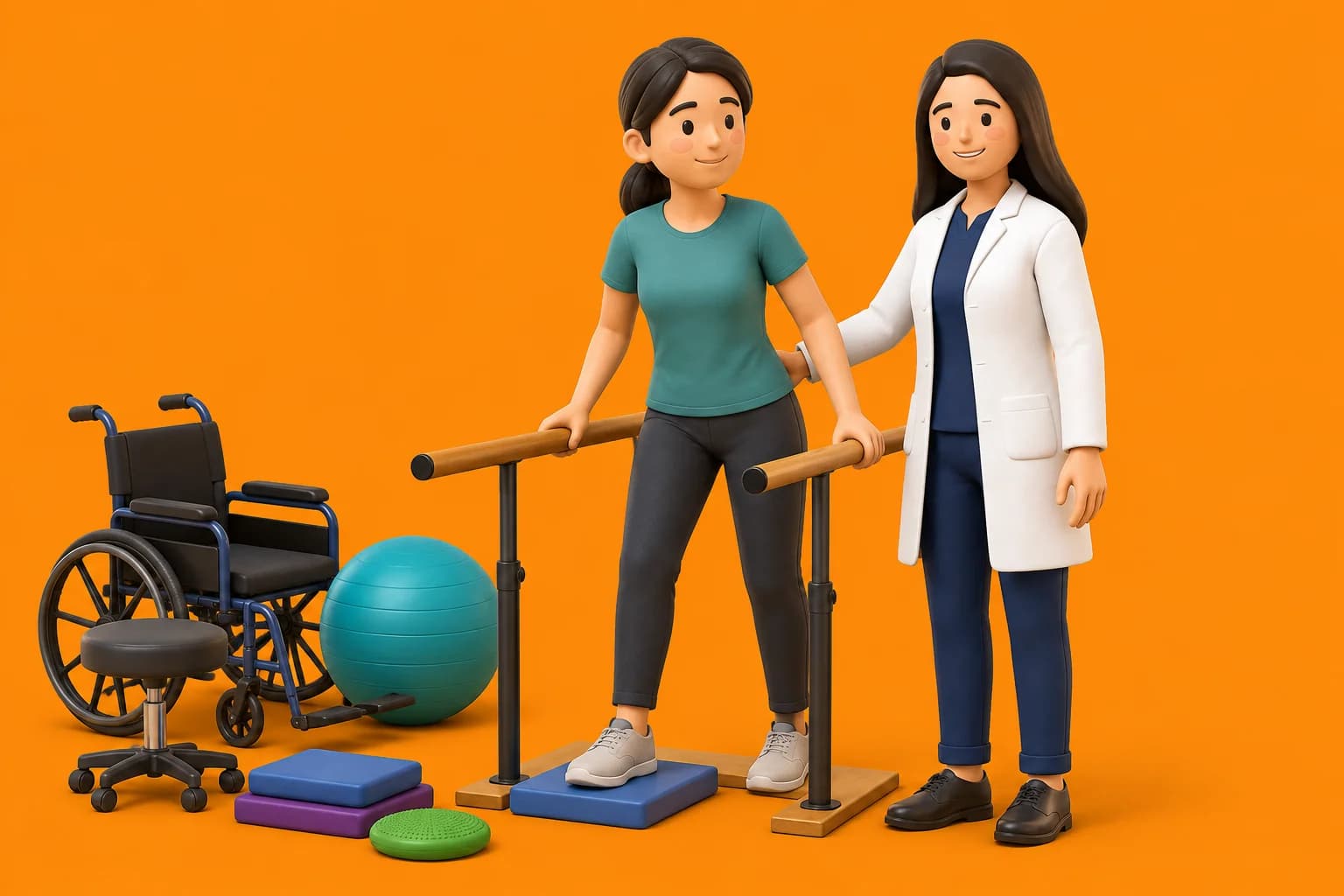
Physiotherapy is a key part of stroke recovery, working alongside your medical team to rebuild movement, strength, balance, and independence. Starting rehabilitation early and keeping it consistent supports better outcomes for many people.
- A core part of stroke rehabilitation
- Home visits suit ongoing rehabilitation at home
- Physiotherapy works alongside your medical team
- We check every physiotherapist’s registration details before their profile goes live
What is stroke?
A stroke can affect movement, strength, balance, and the ability to do everyday tasks. Physiotherapy uses repeated, task-focused practice and the brain's ability to adapt to help you regain as much function and independence as possible. Recovery is gradual and continues well after leaving hospital, which is where ongoing physiotherapy matters most.
Neurological Physiotherapy
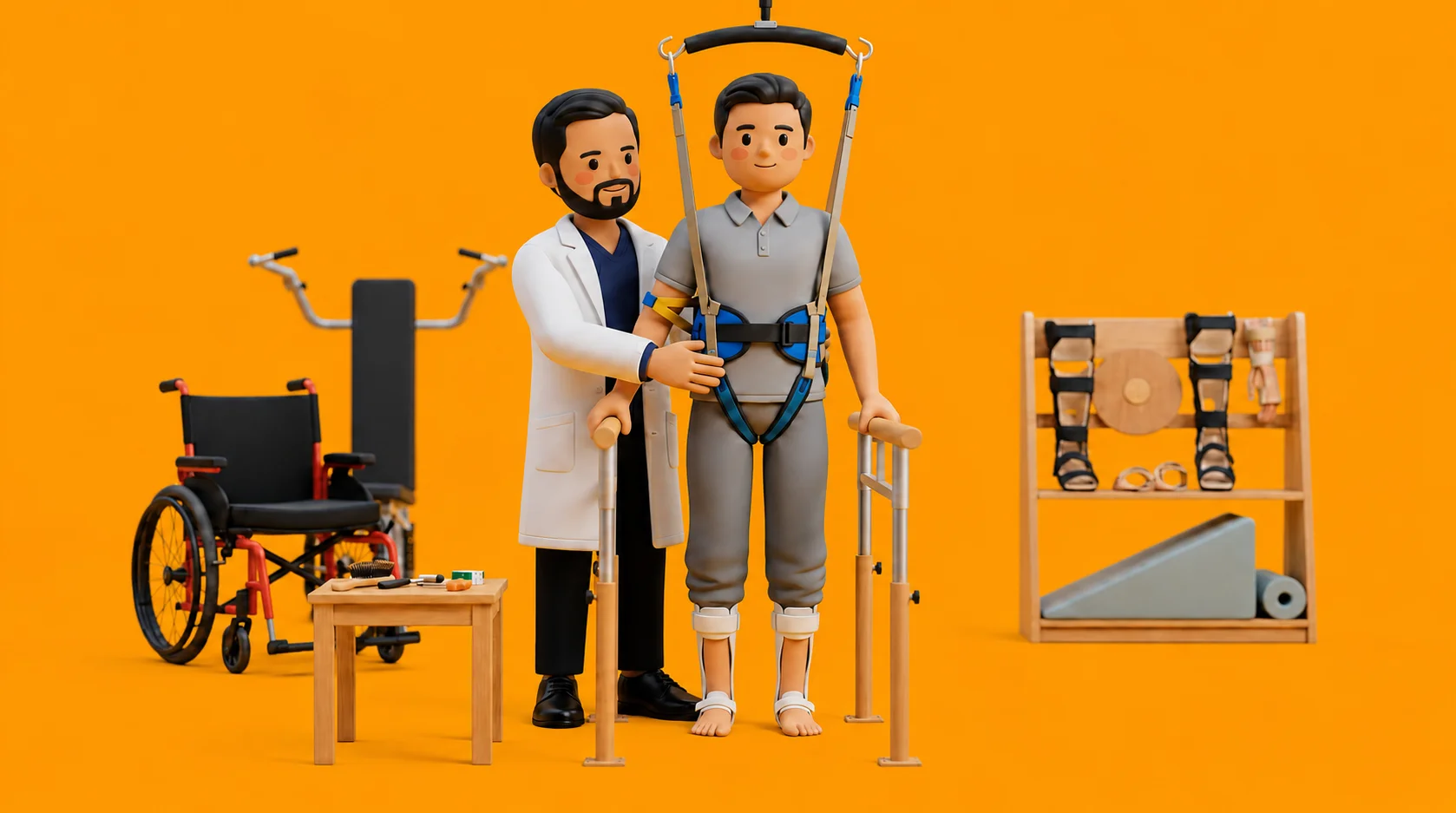
Stroke is assessed and treated under Neurological physiotherapy (nerves & brain). Stroke recovery, nerve rehabilitation, and neurological movement disorders.
How physiotherapy helps

- Walking and gait retraining
- Strengthening the affected side of the body
- Balance and coordination training
- Managing muscle tightness and stiffness
- Practising the movements needed for daily tasks
Common signs
- Weakness or reduced movement on one side
- Difficulty walking or keeping balance
- Stiff or tight muscles
- Reduced use of an arm or hand
- Difficulty with everyday movements
In-clinic vs home visit physiotherapy
| What to compare | In-clinic | Home visit |
|---|---|---|
| Typical fee | ₹300 to ₹1,500 a session. It depends on your city. | ₹400 to ₹2,000 a session. It depends on your city. |
| Exact fee | Set by each physiotherapist and shown on their profile | Set separately for home visits and shown on their profile |
| Best for | Equipment-based rehab and first assessments | Limited mobility, post-surgery, and elderly care |
| Equipment | Full clinic setup | Portable equipment the physiotherapist brings |
| Travel | You travel to the clinic | The physiotherapist comes to you |
| Booking | Pick a clinic slot on search | Filter by home visit on search |
Clinical rehabilitation framework
Evidence-informed clinical progression and starter exercise targets for stroke.
Clinical progression criteria & key observations
- Dose matters: hundreds of task repetitions per session beat low-dose general exercise for motor recovery
- Position and handle the hemiplegic shoulder carefully from day one; never pull through the affected arm
- Screen swallow, mood, and neglect early: each silently limits rehab participation if missed
Starter exercise targets & evidence-based dosage
When to seek urgent care
Physiotherapy is safe for most people. See a doctor urgently if you have any of these.
- Signs of a new stroke: face drooping, arm or leg weakness, numbness on one side, slurred speech, or sudden loss of balance or coordination
- Sudden severe headache, confusion, or loss of vision
- Swallowing or choking difficulty that is new or worsening
- A seizure, or chest pain or breathlessness
- A fall with a head injury
- For any of these, call emergency services immediately
Seek urgent medical care first. Physiotherapy comes after, when it is safe.
Frequently asked questions
When should stroke physiotherapy start?
Can I get physiotherapy for stroke recovery at home?
How much does physiotherapy for stroke recovery cost in India?
Related conditions & care


Clinical guides & articles for stroke
Evidence-informed articles, recovery timelines, and home care advice from our clinical library.
Home visit or clinic physiotherapy: how to choose
Home and clinic physiotherapy are two service settings. A home visit may reduce travel and lets care happen in the patient’s own environment. A clinic may offer a different setup or equipment. The better choice depends on clinical needs, practical constraints, provider availability, and patient preference.
BPT vs MPT: physiotherapy qualifications in India explained
BPT is the undergraduate professional physiotherapy degree pathway, while MPT is postgraduate physiotherapy education after an eligible first degree. Programme length and curriculum have changed over time across institutions and regulatory eras, so do not judge a practising physiotherapist by comparing old and new course structures without context.
Is physiotherapy covered by health insurance in India?
Physiotherapy is not covered in the same way by every Indian health-insurance policy. Coverage can depend on the policy wording, whether care is linked to hospitalisation or another covered event, exclusions, limits, network rules, and required documents. Check your own policy and insurer before assuming reimbursement.
Stroke rehabilitation at home in India: a caregiver guide
Home rehabilitation can be part of stroke recovery when it is clinically appropriate and coordinated with the person’s wider stroke care. Physiotherapy may address mobility and physical function, while stroke rehabilitation can also involve occupational therapy, speech and language therapy, medicine, nursing, psychology, and other services depending on need.
Find physiotherapists for stroke by city
Verified physiotherapists treat stroke in these cities. Home visit and in-clinic options vary by physiotherapist.
Find a physiotherapist for stroke
Compare physiotherapists by fee, experience, and availability. Clinic visits and home visits across India.
This page is for general education and booking guidance. It does not diagnose your condition or replace medical care.
If your symptoms are severe, sudden, or getting worse, seek urgent medical care first. The same applies with fever, chest pain, breathlessness, fainting, new weakness, loss of bladder or bowel control, or unexplained bleeding.
Always consult a qualified physiotherapist or doctor about your condition.