
Physiotherapy for Pelvic Girdle Pain in Pregnancy
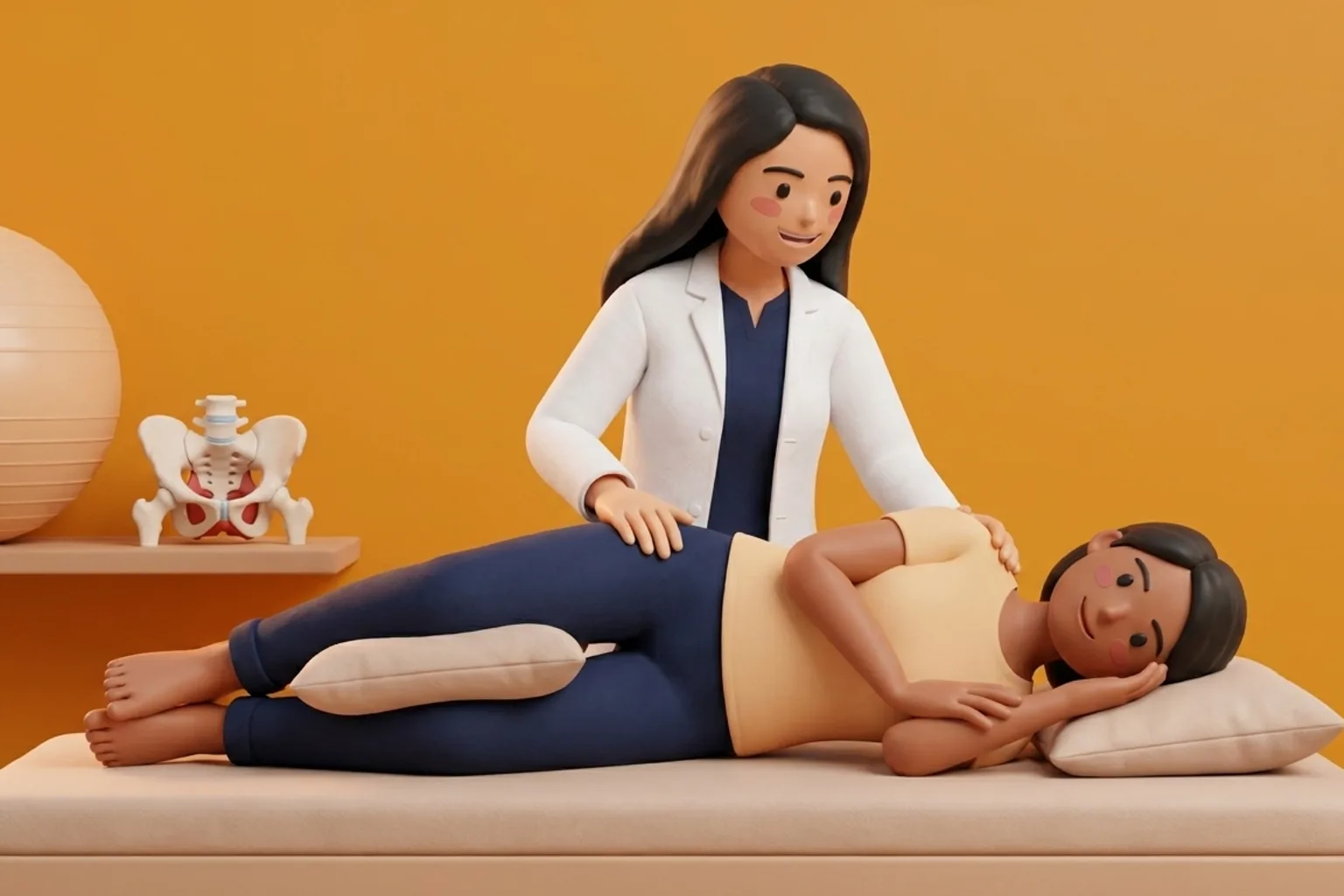
Quick answer
Physiotherapy for pelvic girdle pain eases the pelvic and hip pain many women feel in pregnancy, using hands-on treatment, targeted exercises, and support belts so you can move more comfortably. It is a recommended treatment and can be safe in pregnancy when care is matched to your stage of pregnancy and maternity red flags are screened first.
- Trimester-appropriate care, with maternity red flags screened first
- Home visits suit later pregnancy
- Clinic and home visits available across India
- We check every physiotherapist’s registration details before their profile goes live
What is pelvic girdle pain?
Pelvic girdle pain is pain in the joints of the pelvis during pregnancy, felt at the front over the pubic area or at the back near the sacroiliac joints. It comes from the extra load and the natural softening of ligaments. Physiotherapy is the recommended treatment: it eases the pain and improves stability so you can keep moving comfortably, working alongside your maternity team.
Women's Health Physiotherapy
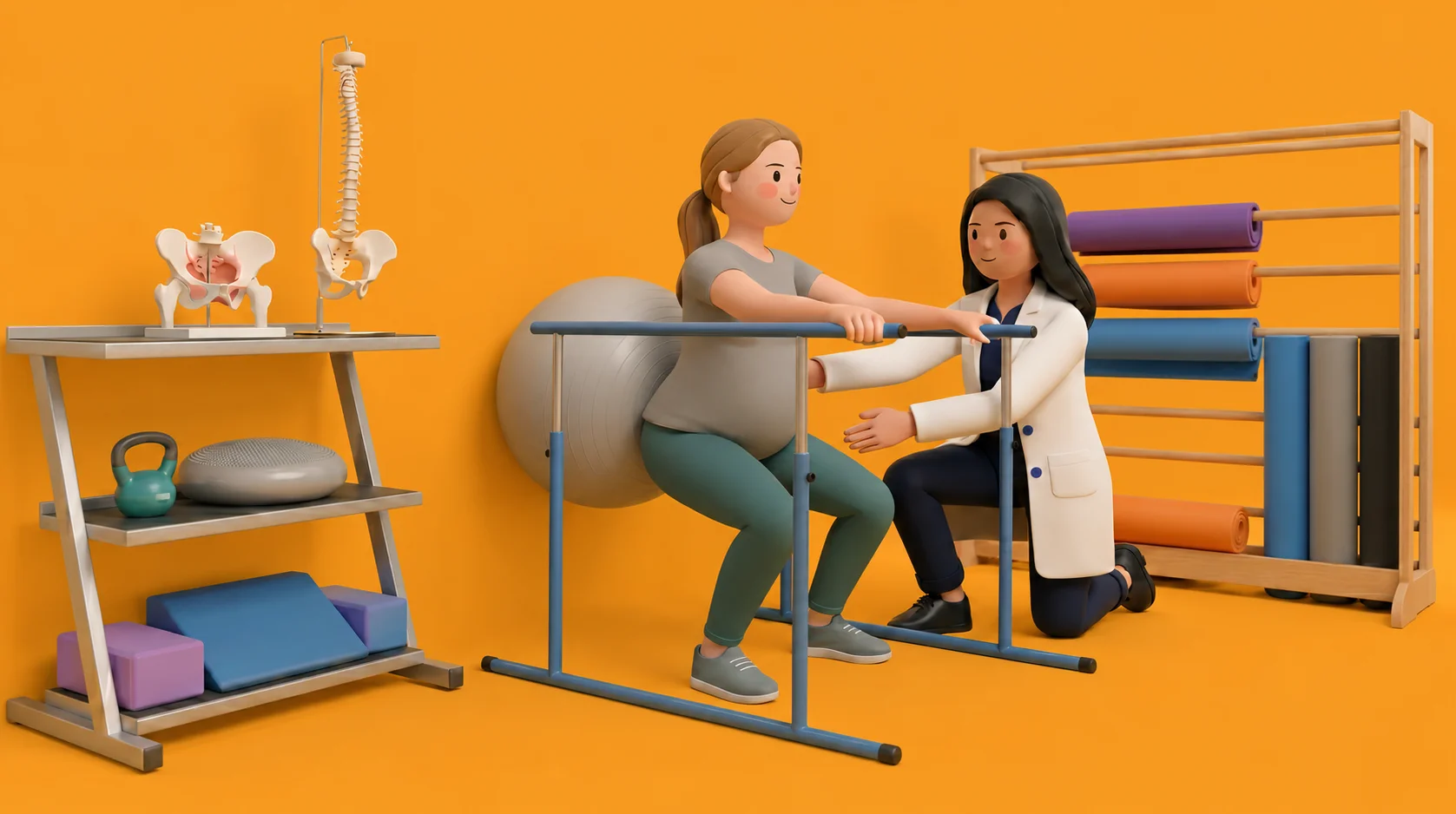
Pelvic Girdle Pain is assessed and treated under Women's Health physiotherapy (pregnancy & pelvic health). Prenatal, postnatal, and pelvic floor physiotherapy for every stage of a woman's life. Requires relevant specialty training and works alongside your medical team where needed. Any intimate or internal assessment is consent-based, private, and optional, and you can stop at any time. Internal assessment is not mandatory to book or begin care.
How physiotherapy helps

- Hands-on therapy for the pelvic joints
- Targeted exercises to stabilise the pelvis
- Advice on positions and daily movement
- Support belt fitting
- Trimester-appropriate pain relief strategies
Common signs
- Pain over the pubic area or the back of the pelvis
- Pain turning over in bed or climbing stairs
- Pain standing on one leg, such as when dressing
- A clicking or grinding sensation in the pelvis
- Pain that worsens as the day goes on
In-clinic vs home visit physiotherapy
| What to compare | In-clinic | Home visit |
|---|---|---|
| Typical fee | ₹300 to ₹1,500 a session. It depends on your city. | ₹400 to ₹2,000 a session. It depends on your city. |
| Exact fee | Set by each physiotherapist and shown on their profile | Set separately for home visits and shown on their profile |
| Best for | Equipment-based rehab and first assessments | Limited mobility, post-surgery, and elderly care |
| Equipment | Full clinic setup | Portable equipment the physiotherapist brings |
| Travel | You travel to the clinic | The physiotherapist comes to you |
| Booking | Pick a clinic slot on search | Filter by home visit on search |
Clinical rehabilitation framework
Evidence-informed clinical progression and starter exercise targets for pelvic girdle pain.
Clinical progression criteria & key observations
- The active straight-leg raise improving with manual pelvic compression supports a force-closure problem and predicts a good response to a belt trial
- Book a pelvic-health physiotherapy referral early when incontinence or prolapse symptoms coexist
Starter exercise targets & evidence-based dosage
When to seek urgent care
Physiotherapy is safe for most people. See a doctor urgently if you have any of these.
- Vaginal bleeding or leaking fluid
- Severe abdominal pain, or reduced baby movements
- Severe headache, vision changes, or sudden swelling of the face or hands, which can signal pre-eclampsia
- For any of these, contact your maternity team urgently
Seek urgent medical care first. Physiotherapy comes after, when it is safe.
Frequently asked questions
Is physiotherapy safe for pelvic pain in pregnancy?
Can I get physiotherapy for pelvic girdle pain at home?
How much does physiotherapy for pelvic girdle pain cost in India?
Related conditions & care
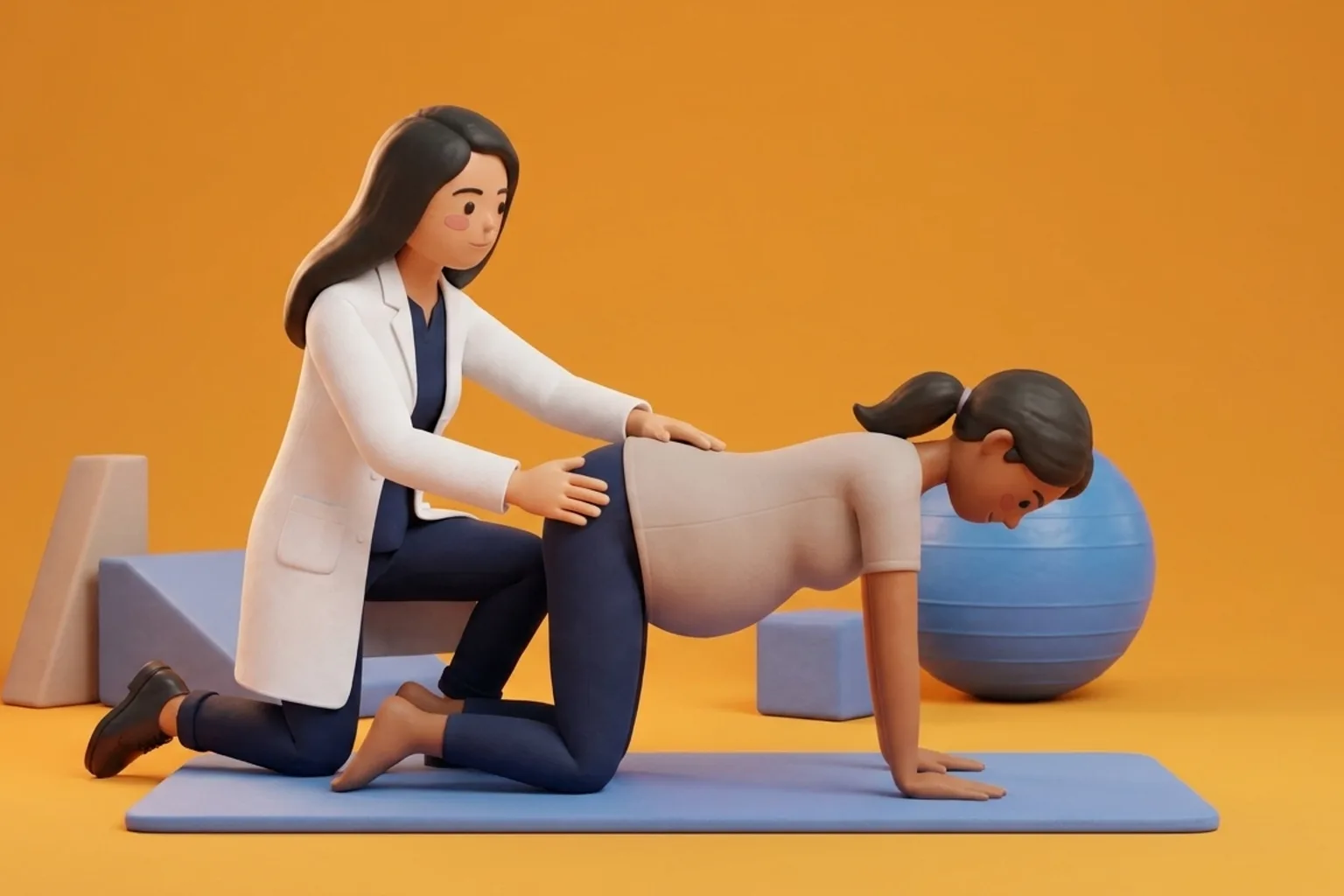

Clinical guides & articles for pelvic girdle pain
Evidence-informed articles, recovery timelines, and home care advice from our clinical library.
C-section recovery and postnatal physiotherapy in India
Recovery after a caesarean birth varies by the operation, pregnancy and birth history, wound healing, symptoms, and medical advice. Postnatal physiotherapy may support movement, function, pelvic health, and return to activity, but exercise and scar advice should be individualised and coordinated with the obstetric team when needed.
Symphysis Pubis Dysfunction (SPD) in Pregnancy: Physiotherapy and Relief
Symphysis pubis dysfunction (SPD) and pregnancy-related pelvic girdle pain make turning in bed, walking, and climbing stairs intensely uncomfortable. Learn safe physiotherapy techniques, pelvic belt guidance, and daily adjustments that help.
C-Section Scar Tissue Mobilisation: Preventing the Postnatal Shelf and Rebuilding Core Stability in India
Caesarean scars frequently adhere to the bladder and abdominal fascia, causing persistent belly overhang and back pain. Discover clinical scar mobilisation and rehab.
Postnatal Pelvic Girdle Pain (PGP) and Symphysis Pubis Dysfunction: Stability Physio in India
Agonizing pubic bone pain and clicking when turning in bed indicates pelvic girdle dysfunction. Discover evidence-based pelvic stability exercises and physio.
Find physiotherapists for pelvic girdle pain by city
Verified physiotherapists treat pelvic girdle pain in these cities. Home visit and in-clinic options vary by physiotherapist.
Find a physiotherapist for pelvic girdle pain
Compare physiotherapists by fee, experience, and availability. Clinic visits and home visits across India.
This page is for general education and booking guidance. It does not diagnose your condition or replace medical care.
If your symptoms are severe, sudden, or getting worse, seek urgent medical care first. The same applies with fever, chest pain, breathlessness, fainting, new weakness, loss of bladder or bowel control, or unexplained bleeding.
Always consult a qualified physiotherapist or doctor about your condition.