
Physiotherapy After Heart Bypass (CABG) Surgery
Quick answer
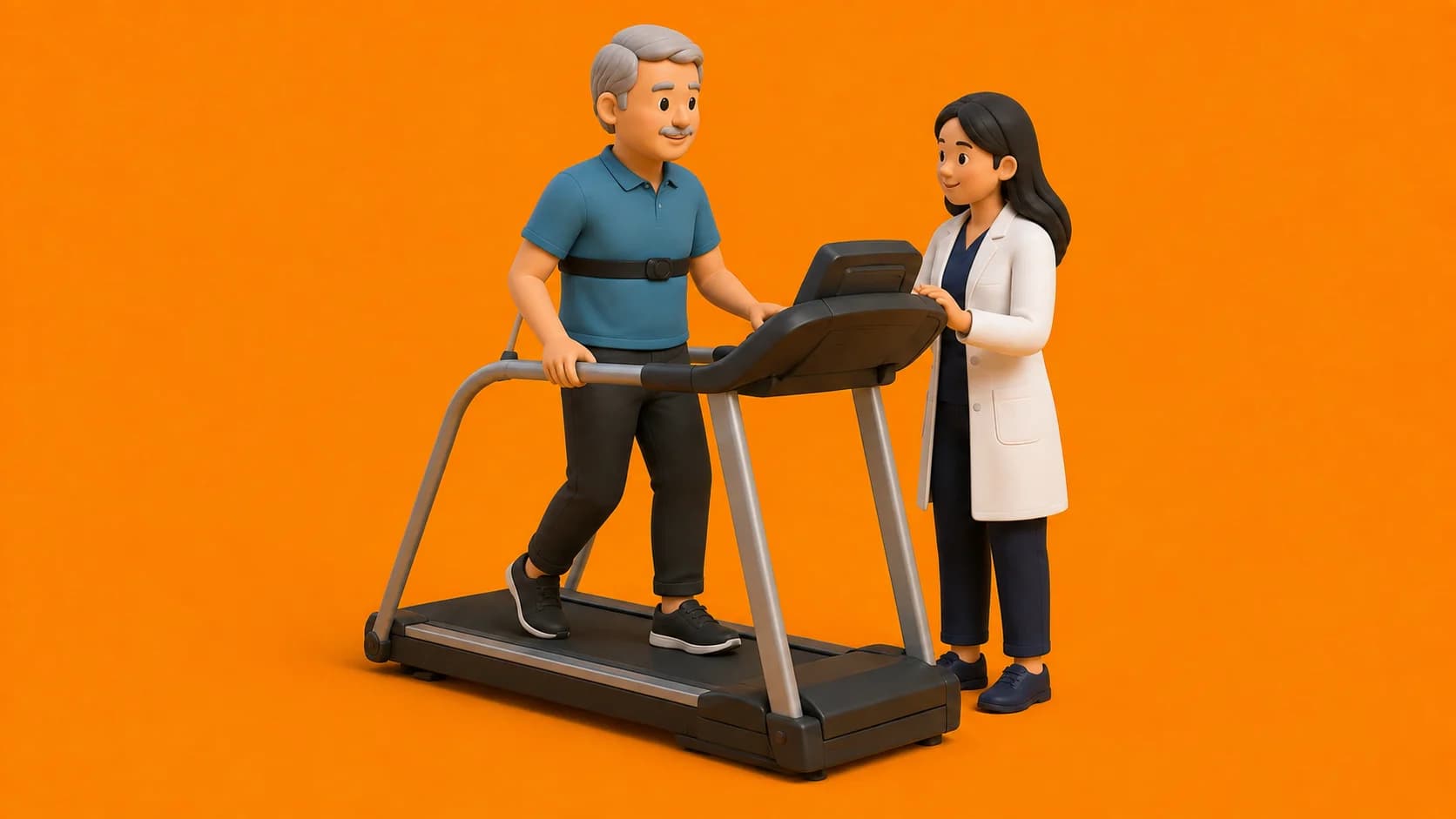
Physiotherapy after CABG (heart bypass) surgery rebuilds stamina and strength safely through cardiac rehabilitation, breathing exercises, and a graded return to activity, alongside your cardiac team.
- Cardiac rehabilitation is a proven part of recovery
- Works alongside your cardiac team
- Clinic and home visits available across India
- We check every physiotherapist’s registration details before their profile goes live
What is post-CABG rehabilitation?
After coronary artery bypass graft (CABG) surgery, a guided cardiac rehabilitation programme helps you recover strength, stamina, and confidence safely. Physiotherapy supports chest recovery and breathing early on, then progresses your activity gradually while respecting healing of the breastbone, all alongside your cardiac and surgical team. Activity progression follows the cardiac team's instructions at each stage.
Cardiopulmonary Physiotherapy
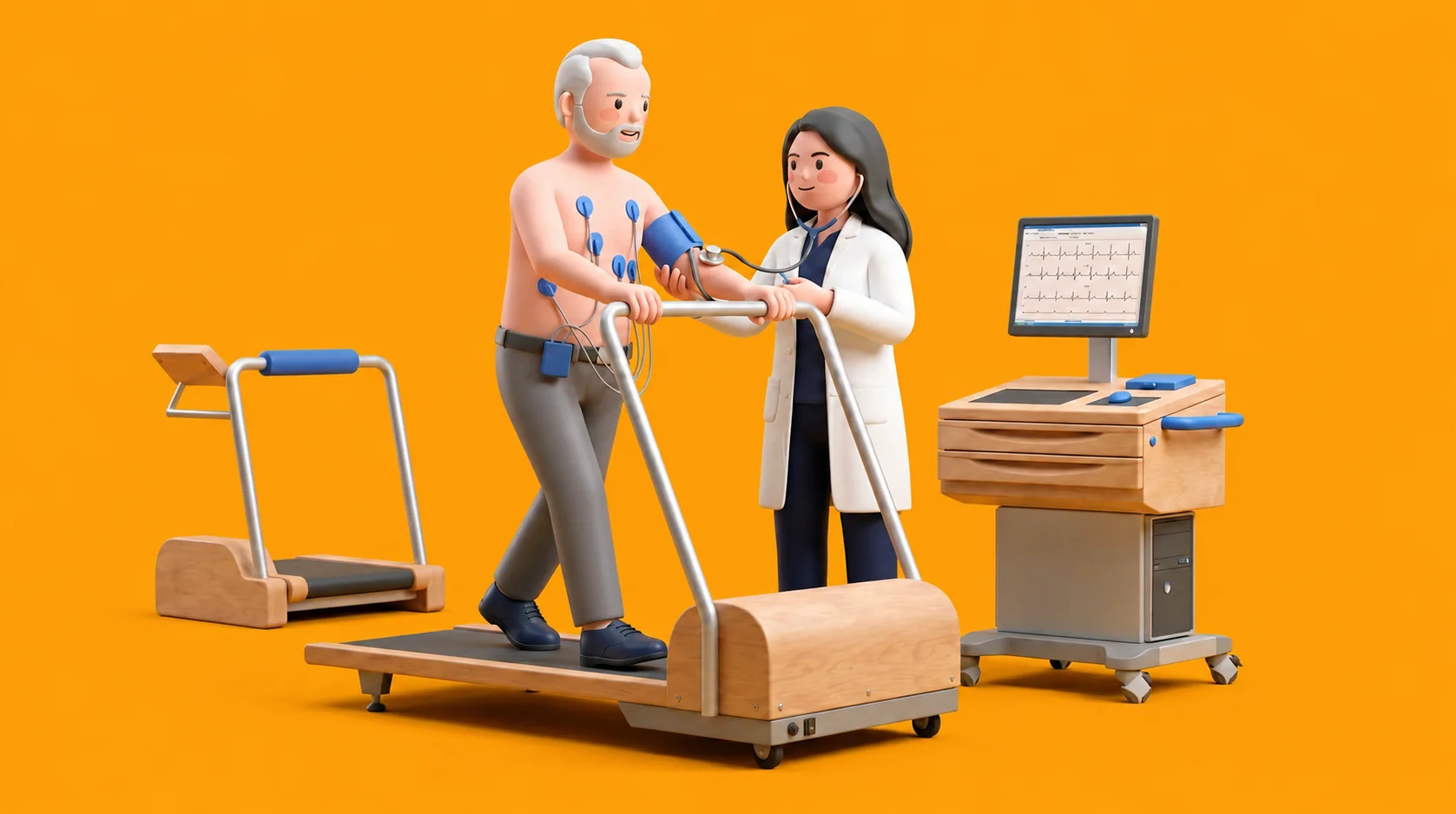
Post-CABG Rehabilitation is assessed and treated under Cardiopulmonary physiotherapy (heart & lungs). Heart and lung rehabilitation, ICU recovery, and breathing retraining. Requires relevant specialty training and works alongside your medical team where needed.
How physiotherapy helps

- Breathing and chest physiotherapy after surgery
- Graded cardiac rehabilitation exercise
- Safe activity progression, respecting sternal (breastbone) precautions
- Energy management for daily tasks
- Education and confidence for heart-healthy activity
Common signs
- Breathlessness or fatigue on exertion
- Reduced stamina after surgery
- Chest or wound discomfort with movement
- Loss of fitness from the hospital stay
- Anxiety about being active again
In-clinic vs home visit physiotherapy
| What to compare | In-clinic | Home visit |
|---|---|---|
| Indicative fee band | BookPhysio guide: ₹300 to ₹1,500 a session. This is not a measured average; check the physiotherapist's current profile for the exact fee. | BookPhysio guide: ₹400 to ₹2,000 a session. This is not a measured average; check the physiotherapist's current profile for the exact home-visit fee. |
| Exact fee | Set by each physiotherapist and shown on their profile when an in-clinic fee is listed | Set separately for home visits and shown on their profile when a home-visit fee is listed |
| Decision factors | A clinic setting may offer equipment or facilities that are useful for some sessions. Ask the physiotherapist what is available and appropriate for your appointment. | A home visit can reduce travel when mobility, transport, or convenience matters. Confirm the service area and whether a home visit is appropriate with the physiotherapist. |
| Equipment availability | Varies by clinic and physiotherapist. Ask what equipment or facilities are available. | Varies by physiotherapist and appointment. Ask what they bring for a home visit. |
| Travel | You travel to the clinic | The physiotherapist comes to you |
| Finding an option | Choose an in-clinic option only when the physiotherapist lists it on their profile | Use the home-visit filter and confirm the physiotherapist covers your area |
Clinical rehabilitation framework
Evidence-informed clinical progression and starter exercise targets for post-CABG rehabilitation.
Clinical progression criteria & key observations
- Use Borg RPE alongside heart rate when the patient is on a rate-limiting medication (e.g. beta-blockers), since heart-rate targets alone can under- or over-estimate true exertion in that case
- Respect sternal precautions (no pushing/pulling/lifting beyond the set limit, no single-arm overhead load) strictly in the early post-CABG window: sternal complications are a real and preventable risk
Starter exercise targets & evidence-based dosage
When to seek urgent care
Physiotherapy is safe for most people. See a doctor urgently if you have any of these.
- Chest pain, palpitations, dizziness, fainting, or disproportionate breathlessness during rehab: stop and seek medical care
- Wound redness, swelling, discharge, or fever
- A clicking or unstable feeling in the breastbone
- Leg swelling or fever after surgery
- New pain, swelling, redness, or warmth in a calf or leg, or sudden breathlessness with sharp chest pain worse on breathing in, which can signal a blood clot (DVT or PE) and needs emergency care
Seek urgent medical care first. Physiotherapy comes after, when it is safe.
Frequently asked questions
When can I start physiotherapy after bypass surgery?
Can I get physiotherapy for post-bypass recovery at home?
How much does physiotherapy for post-bypass recovery cost in India?
Related conditions & care


Clinical guides & articles for post-CABG rehabilitation
Evidence-informed articles, recovery timelines, and home care advice from our clinical library.
Cardiopulmonary Physiotherapy in India: Chest Rehab, Post-ICU and Breathing Care
Cardiopulmonary physiotherapy supports recovery for people living with lung conditions, recovering from heart surgery, or rebuilding physical capacity after an intensive care stay. Learn how chest clearance and breathing rehabilitation work.
Cardiac Rehabilitation: Safe Exercise Walking Timeline After Bypass Surgery and Stents
Resuming exercise after bypass surgery or stent placement requires disciplined cardiovascular progression and strict sternal precautions. Discover safe recovery pacing.
Post-CABG Cardiac Rehabilitation: Sternal Precautions, Breathing Drills and Walking Protocol
Following coronary artery bypass graft (CABG) surgery, protecting bone healing at the median sternotomy while restoring lung capacity and cardiovascular fitness is essential. Discover sternal precautions, incentive spirometry, and home walking progressions.
6-Minute Walk Test (6MWT): ATS Guidelines, Distance Formulas and MCID
The 6-Minute Walk Test (6MWT) evaluates submaximal functional exercise capacity in cardiopulmonary and geriatric rehabilitation. Learn the ATS protocol and reference equations.
Search for a physiotherapist
Keep post-CABG rehabilitation as your search context, then review each current profile for specialties, listed conditions, visit types, fee and availability before you request an appointment.
This page is for general education and booking guidance. It does not diagnose your condition or replace medical care.
If your symptoms are severe, sudden, or getting worse, seek urgent medical care first. The same applies with fever, chest pain, breathlessness, fainting, new weakness, loss of bladder or bowel control, or unexplained bleeding.
Always consult a qualified physiotherapist or doctor about your condition.