
Physiotherapy for COPD
Quick answer
Physiotherapy for COPD improves breathing, exercise tolerance, and daily energy through pulmonary rehabilitation, breathing techniques, and airway clearance. It helps you do more with less breathlessness.
- Pulmonary rehabilitation is well-supported for COPD
- Book directly, we do not ask for a referral. Red-flag symptoms need medical care first
- Clinic and home visits available across India
- We check every physiotherapist’s registration details before their profile goes live
What is COPD?
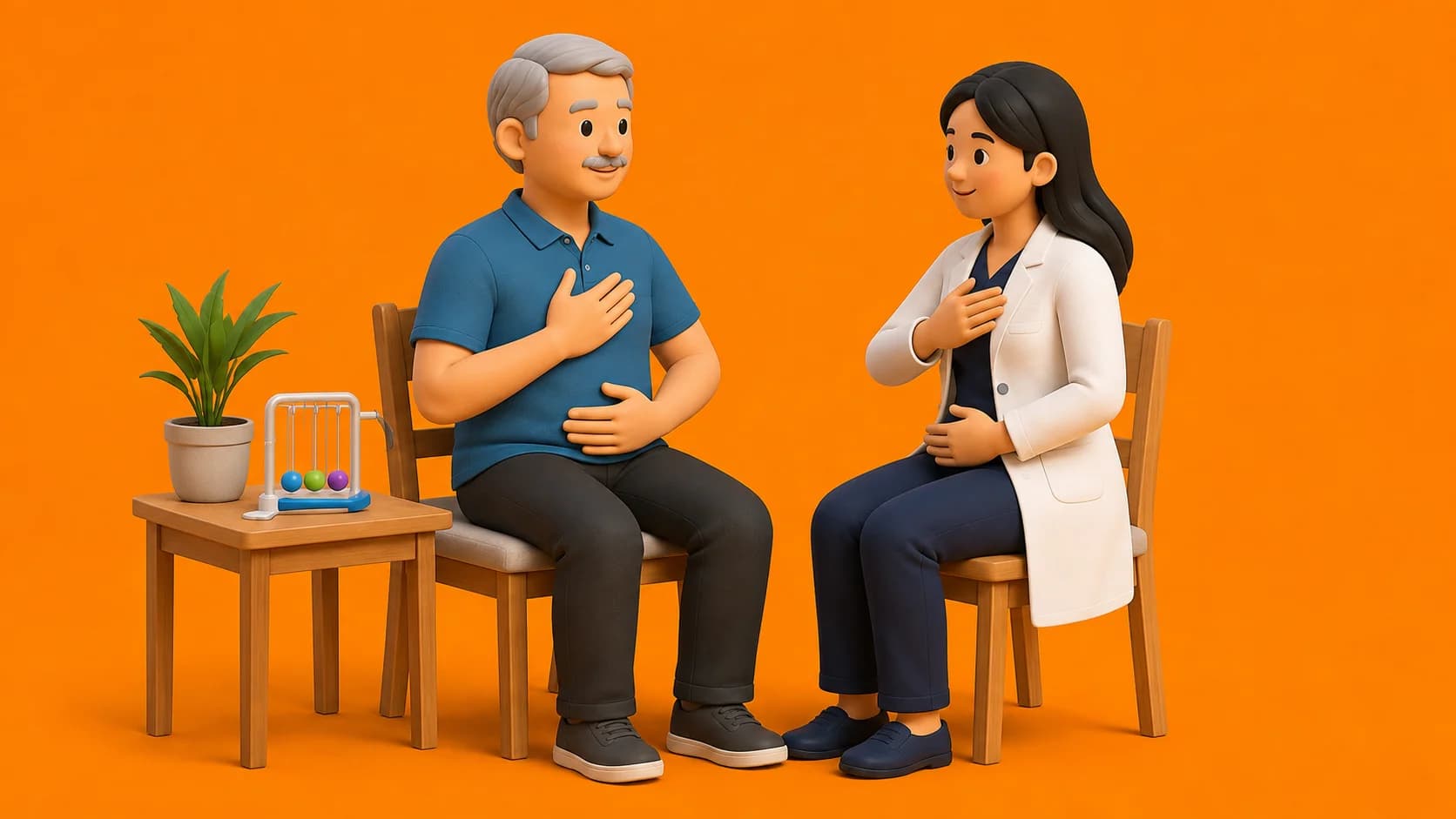
COPD (chronic obstructive pulmonary disease) is a long-term lung condition that makes breathing harder, especially with activity. Physiotherapy, through pulmonary rehabilitation, builds your exercise tolerance, teaches breathing and airway-clearance techniques, and helps you manage breathlessness so you can stay active and independent. Physiotherapy works alongside your pulmonologist and doctor.
Cardiopulmonary Physiotherapy
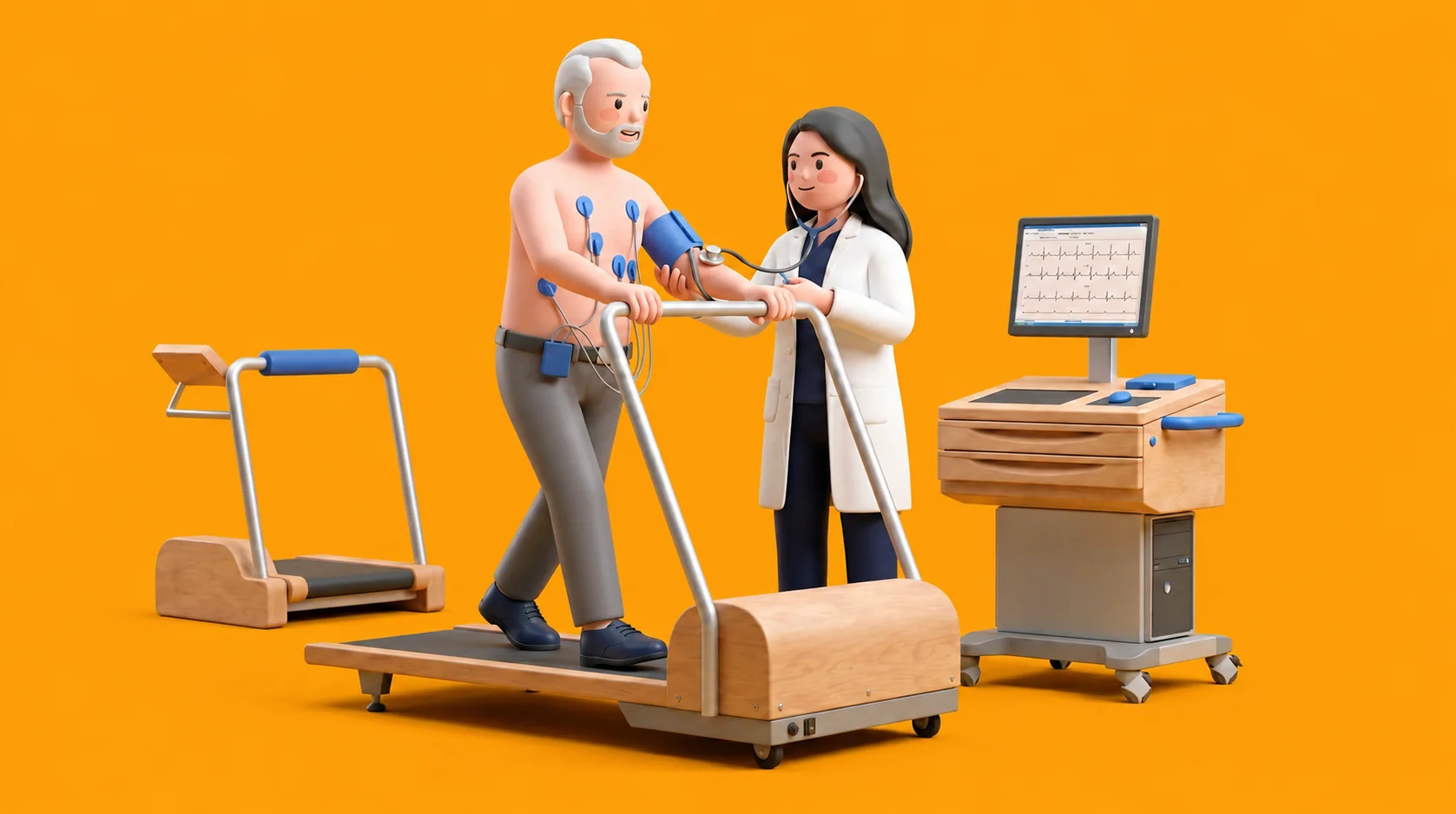
COPD is assessed and treated under Cardiopulmonary physiotherapy (heart & lungs). Heart and lung rehabilitation, ICU recovery, and breathing retraining. Requires relevant specialty training and works alongside your medical team where needed.
How physiotherapy helps
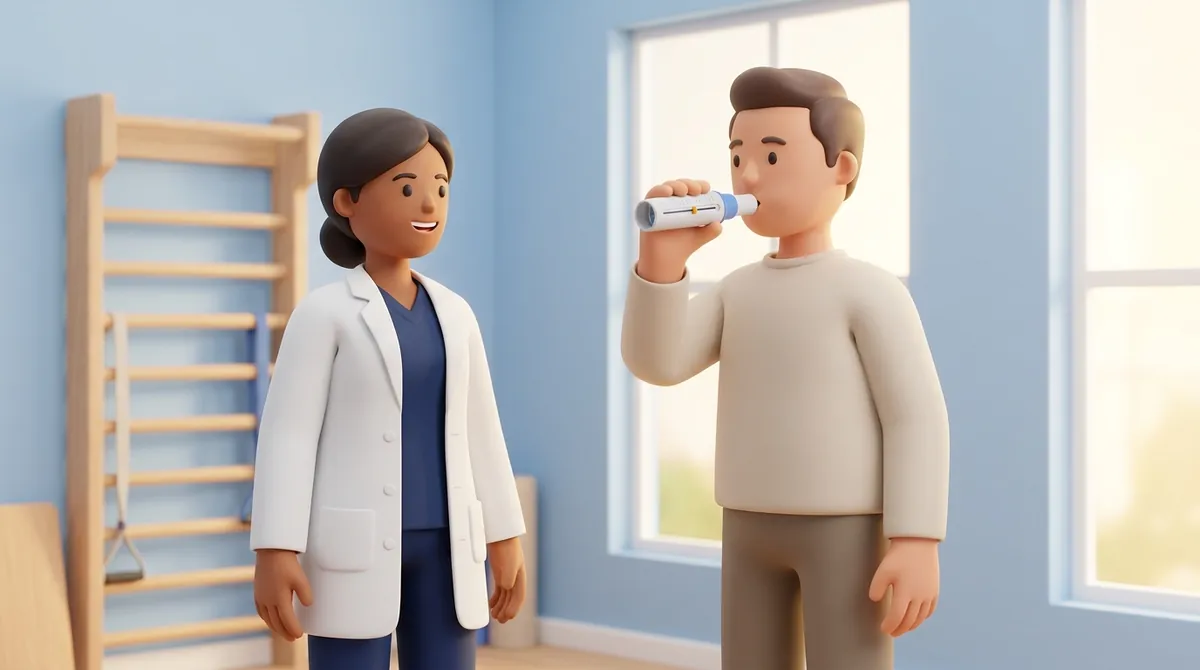
- Pulmonary rehabilitation with graded exercise
- Breathing techniques such as pursed-lip and diaphragmatic breathing
- Airway clearance to help bring up phlegm
- Energy conservation for daily tasks
- A safe plan to stay active
Common signs
- Breathlessness, especially with activity
- A long-term cough
- Difficulty clearing phlegm from the chest
- Reduced ability to exercise
- Tiredness and low energy
In-clinic vs home visit physiotherapy
| What to compare | In-clinic | Home visit |
|---|---|---|
| Indicative fee band | BookPhysio guide: ₹300 to ₹1,500 a session. This is not a measured average; check the physiotherapist's current profile for the exact fee. | BookPhysio guide: ₹400 to ₹2,000 a session. This is not a measured average; check the physiotherapist's current profile for the exact home-visit fee. |
| Exact fee | Set by each physiotherapist and shown on their profile when an in-clinic fee is listed | Set separately for home visits and shown on their profile when a home-visit fee is listed |
| Decision factors | A clinic setting may offer equipment or facilities that are useful for some sessions. Ask the physiotherapist what is available and appropriate for your appointment. | A home visit can reduce travel when mobility, transport, or convenience matters. Confirm the service area and whether a home visit is appropriate with the physiotherapist. |
| Equipment availability | Varies by clinic and physiotherapist. Ask what equipment or facilities are available. | Varies by physiotherapist and appointment. Ask what they bring for a home visit. |
| Travel | You travel to the clinic | The physiotherapist comes to you |
| Finding an option | Choose an in-clinic option only when the physiotherapist lists it on their profile | Use the home-visit filter and confirm the physiotherapist covers your area |
Clinical rehabilitation framework
Evidence-informed clinical progression and starter exercise targets for COPD.
Clinical progression criteria & key observations
- Interval training lets severely breathless patients accumulate the same training dose with tolerable symptoms
- Teach and check inhaler timing with activity where prescribed; rehab and medication work together
Starter exercise targets & evidence-based dosage
When to seek urgent care
Physiotherapy is safe for most people. See a doctor urgently if you have any of these.
- Sudden severe breathlessness or chest pain
- Blue lips or fingertips, or new confusion
- Coughing up blood, or a chest infection with discoloured phlegm and fever
- A flare-up with quickly worsening symptoms
Seek urgent medical care first. Physiotherapy comes after, when it is safe.
Frequently asked questions
Can physiotherapy help me breathe better with COPD?
Can I get physiotherapy for copd at home?
How much does physiotherapy for copd cost in India?
Related conditions & care

Clinical guides & articles for COPD
Evidence-informed articles, recovery timelines, and home care advice from our clinical library.
Cardiopulmonary Physiotherapy in India: Chest Rehab, Post-ICU and Breathing Care
Cardiopulmonary physiotherapy supports recovery for people living with lung conditions, recovering from heart surgery, or rebuilding physical capacity after an intensive care stay. Learn how chest clearance and breathing rehabilitation work.
Post-COVID Breathlessness and Long COVID: Pulmonary Rehabilitation and Pursed-Lip Breathing in India
Persistent breathlessness when climbing stairs or walking after COVID-19 indicates respiratory deconditioning. Discover pulmonary physiotherapy and pursed-lip breathing.
COPD & Bronchiectasis Airway Clearance: ACBT, Pursed-Lip Breathing and Mucus Relief
Chronic Obstructive Pulmonary Disease (COPD) and bronchiectasis trap thick mucus in bronchial branches, causing recurrent infections and severe breathlessness. Discover the Active Cycle of Breathing Techniques (ACBT), huffing mechanics, and pursed-lip breathing to clear airways without exhaustion.
6-Minute Walk Test (6MWT): ATS Guidelines, Distance Formulas and MCID
The 6-Minute Walk Test (6MWT) evaluates submaximal functional exercise capacity in cardiopulmonary and geriatric rehabilitation. Learn the ATS protocol and reference equations.
Search for a physiotherapist
Keep COPD as your search context, then review each current profile for specialties, listed conditions, visit types, fee and availability before you request an appointment.
This page is for general education and booking guidance. It does not diagnose your condition or replace medical care.
If your symptoms are severe, sudden, or getting worse, seek urgent medical care first. The same applies with fever, chest pain, breathlessness, fainting, new weakness, loss of bladder or bowel control, or unexplained bleeding.
Always consult a qualified physiotherapist or doctor about your condition.