
Physiotherapy for Sciatica

Quick answer
Physiotherapy for sciatica relieves the leg pain, tingling, and numbness caused by irritation of the sciatic nerve, using specific exercises, hands-on treatment, and movement advice.
- A physiotherapist assesses the cause before treating it
- Book directly, we do not ask for a referral. Red-flag symptoms need medical care first
- Clinic and home visits available across India
- We check every physiotherapist’s registration details before their profile goes live
What is sciatica?
Sciatica is pain that travels from the lower back through the buttock and down the leg, along the path of the sciatic nerve. It is usually caused by irritation or pressure on the nerve, often from the lower back. Physiotherapy can help reduce nerve irritation and ease pain, and rebuilds the movement and strength that protect your back.
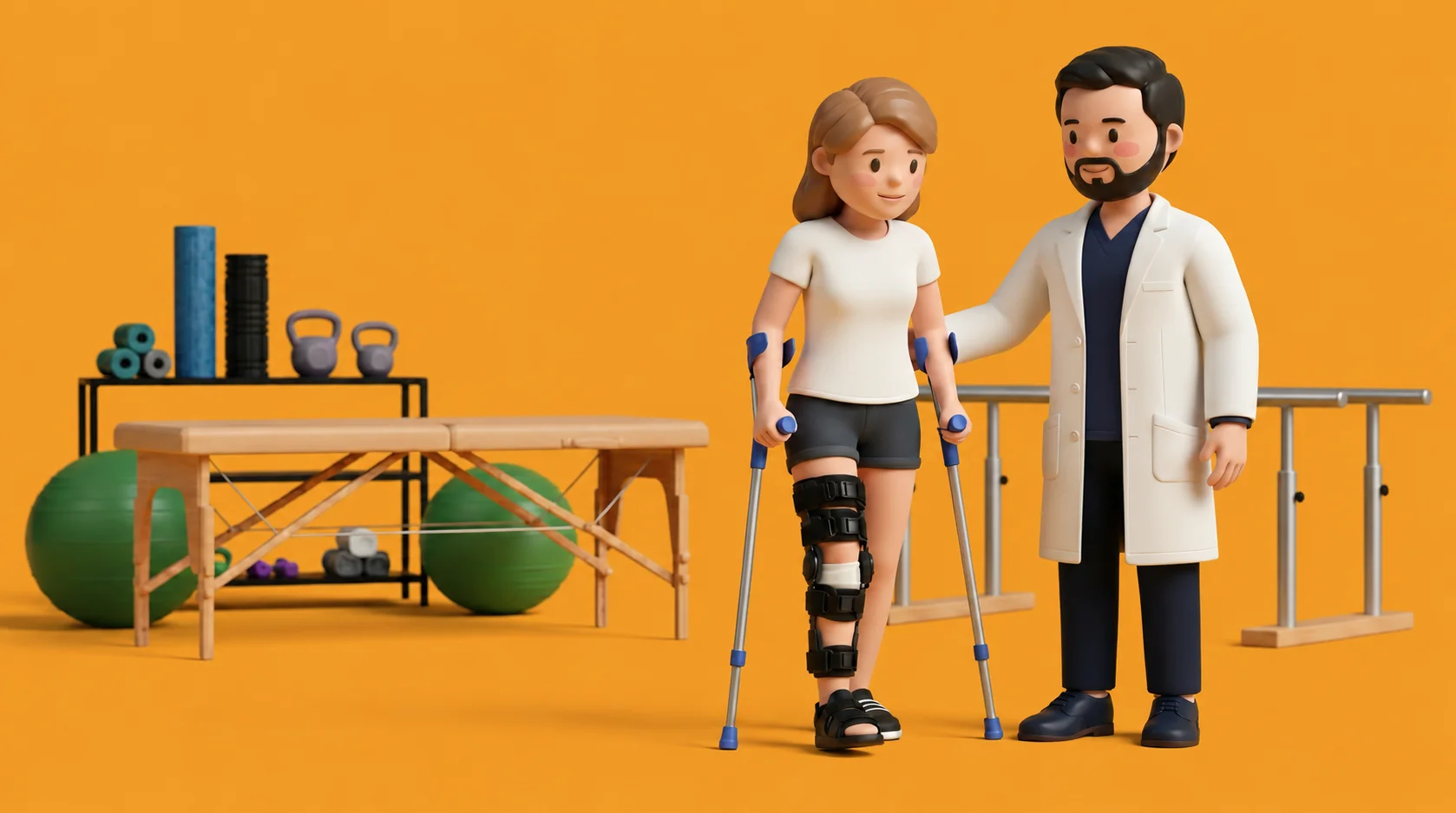
Orthopaedic Physiotherapy
Sciatica is assessed and treated under Orthopaedic physiotherapy (bones & joints). Bones, joints, muscles, and ligaments. Back pain, fractures, and post-surgery recovery.
How physiotherapy helps
- Exercises that may reduce nerve irritation
- Hands-on therapy for the lower back and hip
- Nerve mobilisation techniques
- Core and lower-back strengthening
- Advice on positions and activity that help, not hurt
Common signs
- Pain spreading from the back into the buttock and leg
- Tingling or numbness in the leg or foot
- A sharp, burning, or shooting pain down one leg
- Pain that worsens when sitting
- Weakness in the leg or foot
In-clinic vs home visit physiotherapy
| What to compare | In-clinic | Home visit |
|---|---|---|
| Typical fee | ₹300 to ₹1,500 a session. It depends on your city. | ₹400 to ₹2,000 a session. It depends on your city. |
| Exact fee | Set by each physiotherapist and shown on their profile | Set separately for home visits and shown on their profile |
| Best for | Equipment-based rehab and first assessments | Limited mobility, post-surgery, and elderly care |
| Equipment | Full clinic setup | Portable equipment the physiotherapist brings |
| Travel | You travel to the clinic | The physiotherapist comes to you |
| Booking | Pick a clinic slot on search | Filter by home visit on search |
Clinical rehabilitation framework
Evidence-informed clinical progression and starter exercise targets for sciatica.
Clinical progression criteria & key observations
- Most acute non-specific low back pain improves substantially within 6 weeks with advice and activity; escalate only on red flags or a worsening neuro deficit
- Leg pain below the knee with a positive straight-leg raise points to radicular involvement; track the neuro screen every visit
- Stenosis pattern: older adult, leg symptoms on walking, eased by sitting or flexion (shopping-trolley sign)
Starter exercise targets & evidence-based dosage
When to seek urgent care
Physiotherapy is safe for most people. See a doctor urgently if you have any of these.
- Loss of bladder or bowel control, numbness around the groin, buttocks, or inner thighs, or new weakness in both legs. This can signal cauda equina syndrome and needs emergency care the same day
- Weakness or numbness in both legs
- Rapidly worsening leg weakness
Seek urgent medical care first. Physiotherapy comes after, when it is safe.
Frequently asked questions
How long does sciatica take to improve with physiotherapy?
Can I get physiotherapy for sciatica at home?
Should I rest or stay active with sciatica?
How much does physiotherapy for sciatica cost in India?
Related conditions & care
Clinical guides & articles for sciatica
Evidence-informed articles, recovery timelines, and home care advice from our clinical library.
Recurring Lower Back Pain: Evidence-Based Assessment, Spine Mechanics, and Long-Term Rehabilitation in India
Recurring lower back pain is one of the leading causes of disability among Indian working adults. Learn why passive rest fails, how mechanical spine loading works, and evidence-based active rehabilitation protocols.
Physiotherapy and pain medication: how their roles differ
Pain medication and physiotherapy can have different roles and may sometimes be used together. Medication decisions belong with a doctor or pharmacist. Physiotherapy may focus on assessment, movement, function, activity, and rehabilitation. Neither should be presented as universally better for every type of pain.
Do you need a doctor referral for physiotherapy in India?
BookPhysio.in does not require a doctor referral to search for or book a physiotherapist. That platform rule should not be turned into a blanket claim that a referral or prescription is never needed in India. Hospitals, insurers, post-operative pathways, employers, or other clinical arrangements may have their own requirements.
Do you need an MRI or X-ray before physiotherapy?
Patients across India frequently spend thousands on diagnostic scans before seeing a physiotherapist. Discover what clinical guidelines say about when imaging is genuinely necessary.
Find physiotherapists for sciatica by city
Verified physiotherapists treat sciatica in these cities. Home visit and in-clinic options vary by physiotherapist.
Find a physiotherapist for sciatica
Compare physiotherapists by fee, experience, and availability. Clinic visits and home visits across India.
This page is for general education and booking guidance. It does not diagnose your condition or replace medical care.
If your symptoms are severe, sudden, or getting worse, seek urgent medical care first. The same applies with fever, chest pain, breathlessness, fainting, new weakness, loss of bladder or bowel control, or unexplained bleeding.
Always consult a qualified physiotherapist or doctor about your condition.