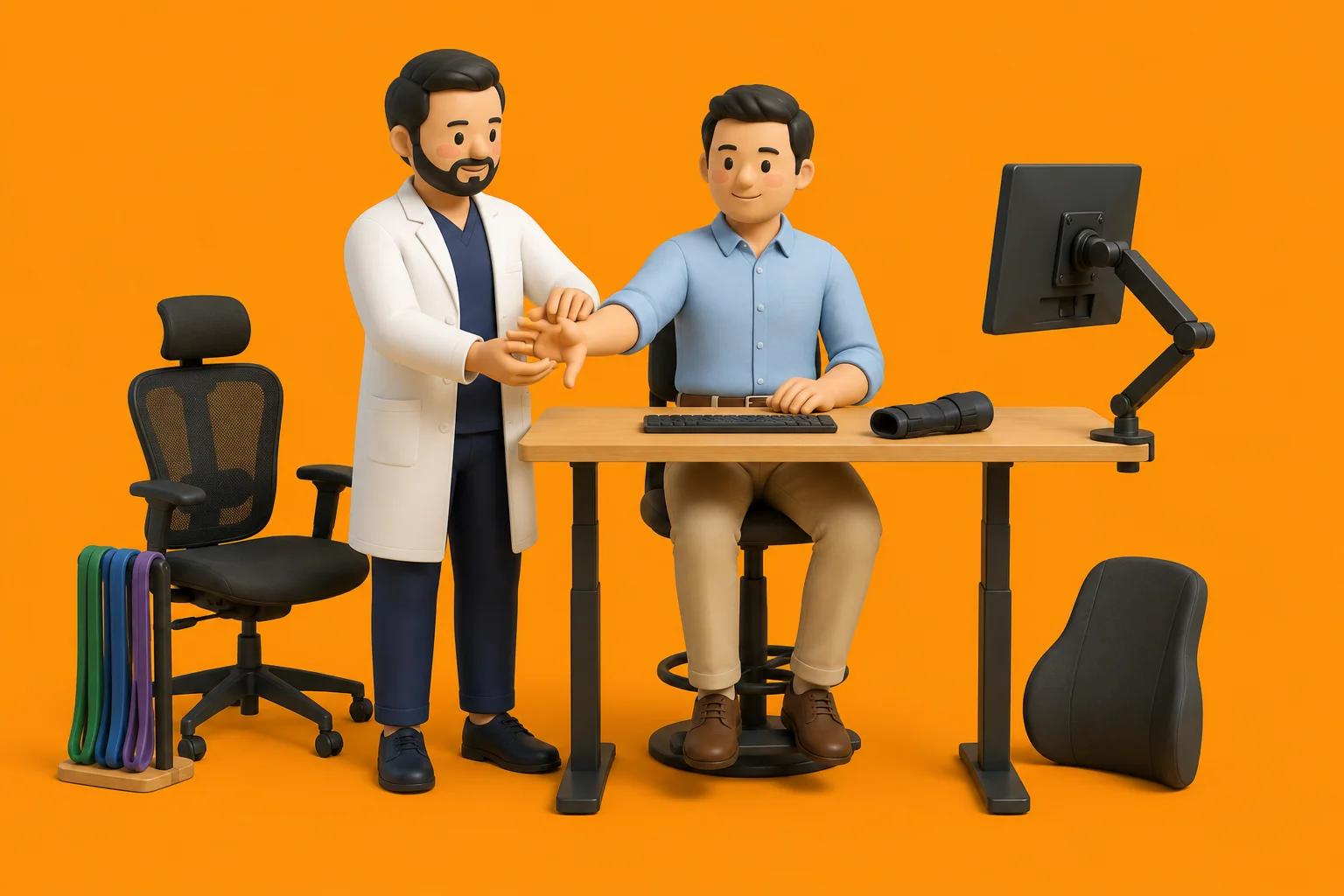
Orthopaedic Physiotherapy commonly treats: Arthritis and osteoarthritis, Back and neck pain, Post-fracture recovery, Knee and hip replacement rehab, Frozen shoulder and rotator cuff injuries, Sciatica and disc problems.
NCAHP: Musculoskeletal Sciences · Bones & Joints
Orthopaedic Physiotherapy
Expert relief for your bones, joints, ligaments, and muscles.
Expert manual therapy and joint mobilisationPost-operative rehabilitation pathwaysChronic pain management planning
This page is for general information only, not medical advice. Always consult a qualified physiotherapist.

What this care covers
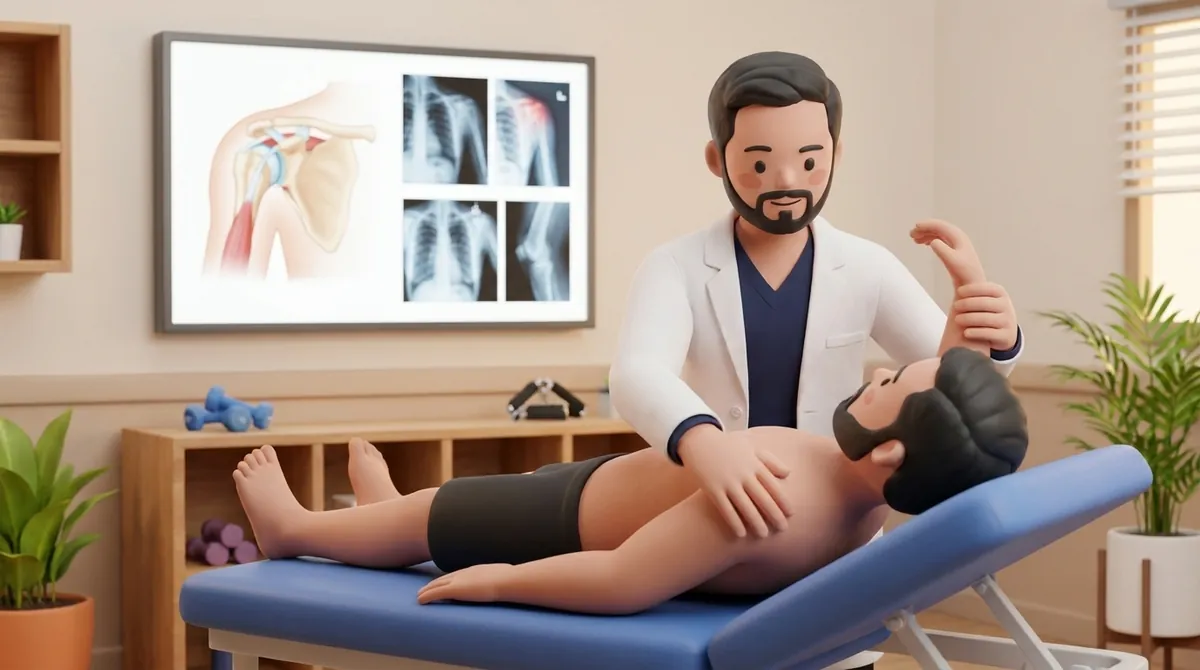
Orthopaedic physiotherapy evaluates and manages disorders of the musculoskeletal system, including bones, joints, ligaments, tendons, and spinal discs. Common clinical presentations include osteoarthritis of the knee or hip, lumbar and cervical spine pain, post-fracture stiffness, and structured rehabilitation following joint replacement surgery. Your physiotherapist conducts a thorough movement and joint assessment to identify structural limitations, mechanical imbalances, and tissue irritability. Treatment combines evidence-informed manual joint mobilisations and soft tissue techniques with progressive active loading exercises. Rather than passive rest, structured rehabilitation restores physiological range of motion, builds supportive muscular capacity, and safely reintroduces everyday physical activities, from stair climbing and carrying groceries to cross-legged floor sitting.
Expert manual therapy and joint mobilisation
Post-operative rehabilitation pathways
Chronic pain management planning
Targeted core and limb strengthening programmes
Conditions treated
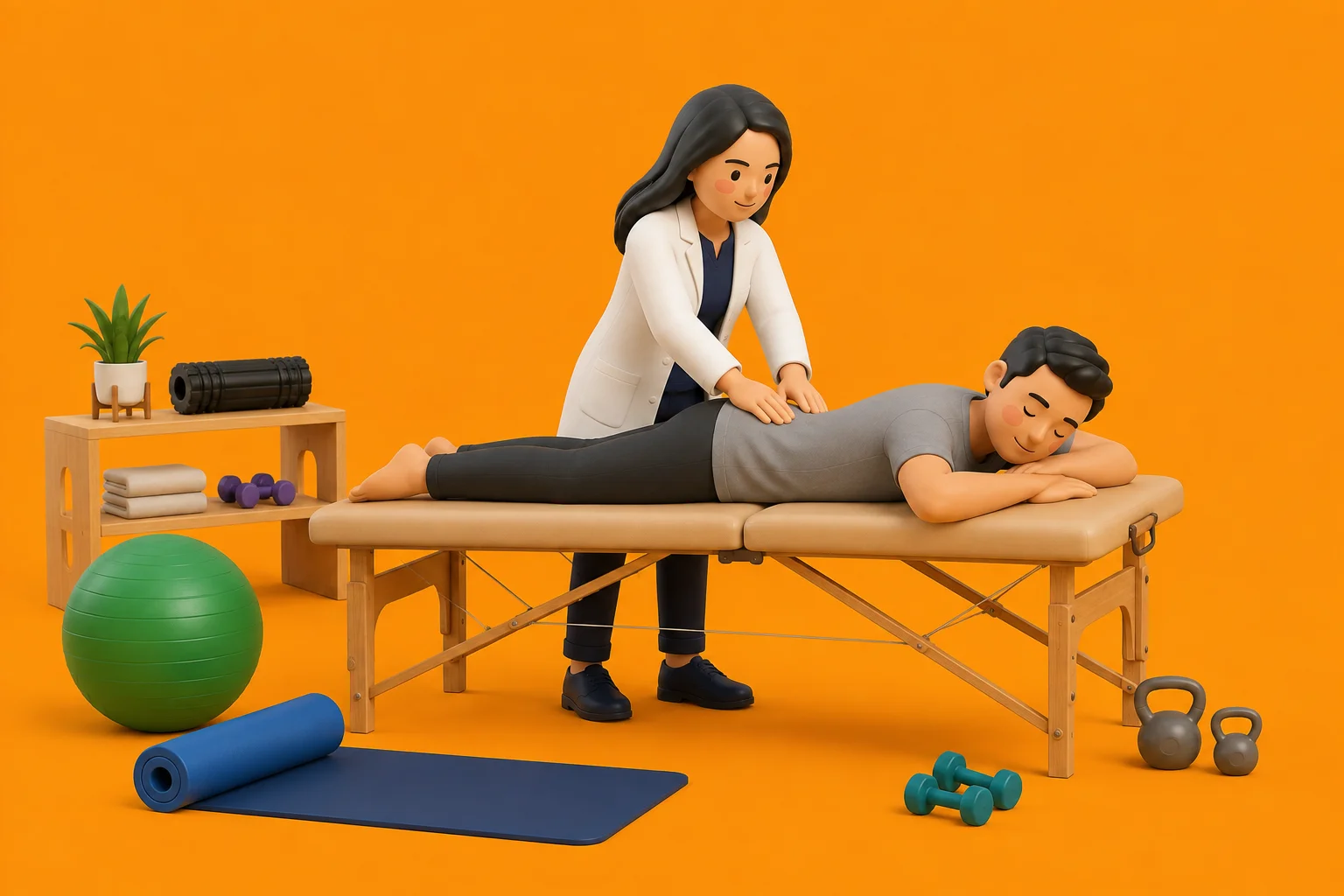
Back Pain
Acute and chronic pain in the lower or upper back, including disc problems and muscle strain.

Knee Osteoarthritis
A whole-joint condition affecting cartilage, bone, joint lining, and surrounding tissues, causing pain, stiffness, and reduced mobility.

Frozen Shoulder
Adhesive capsulitis causing progressive shoulder stiffness and pain with limited range of motion.
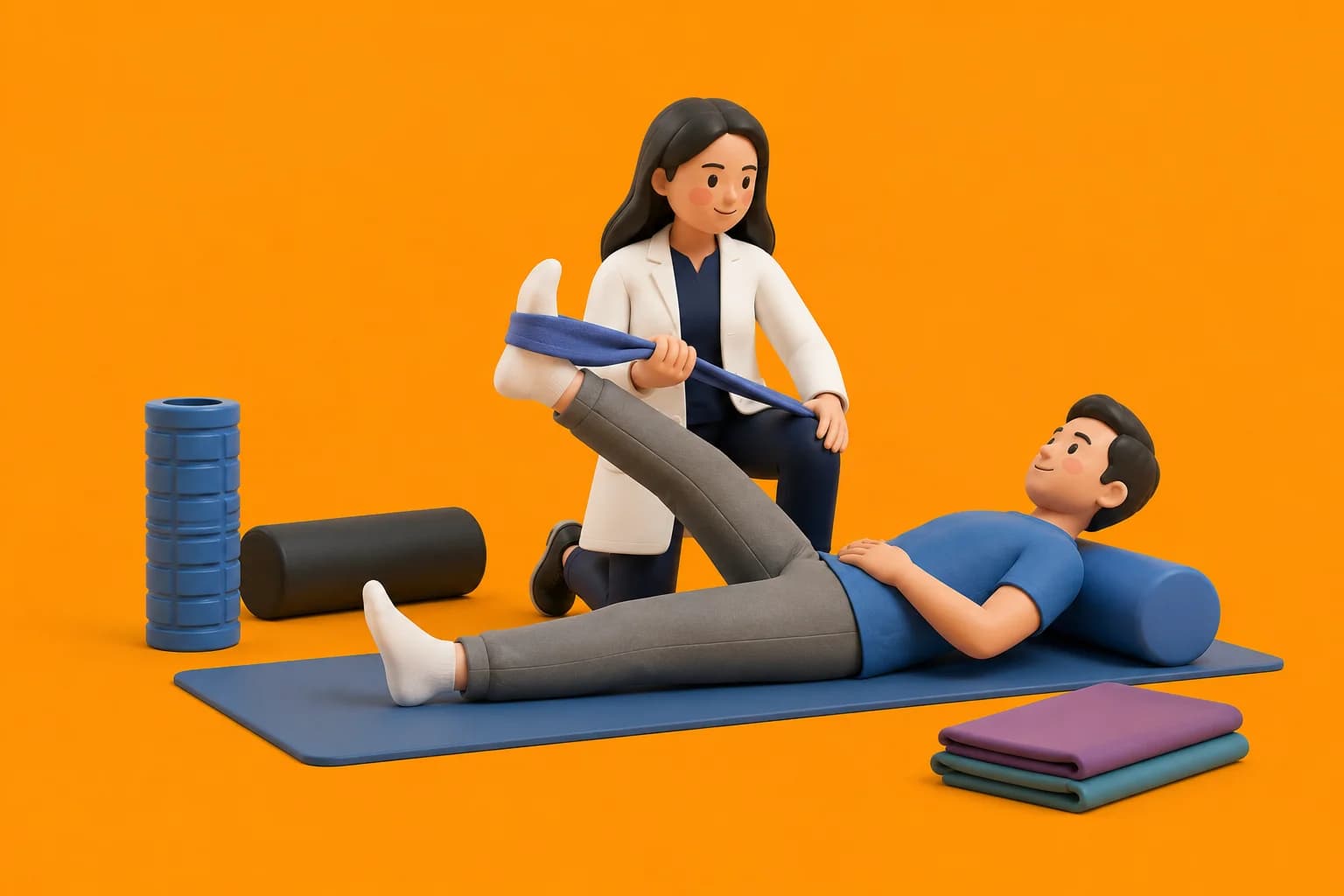
Sciatica
Pain radiating from the lower back through the hip and down the leg along the sciatic nerve.
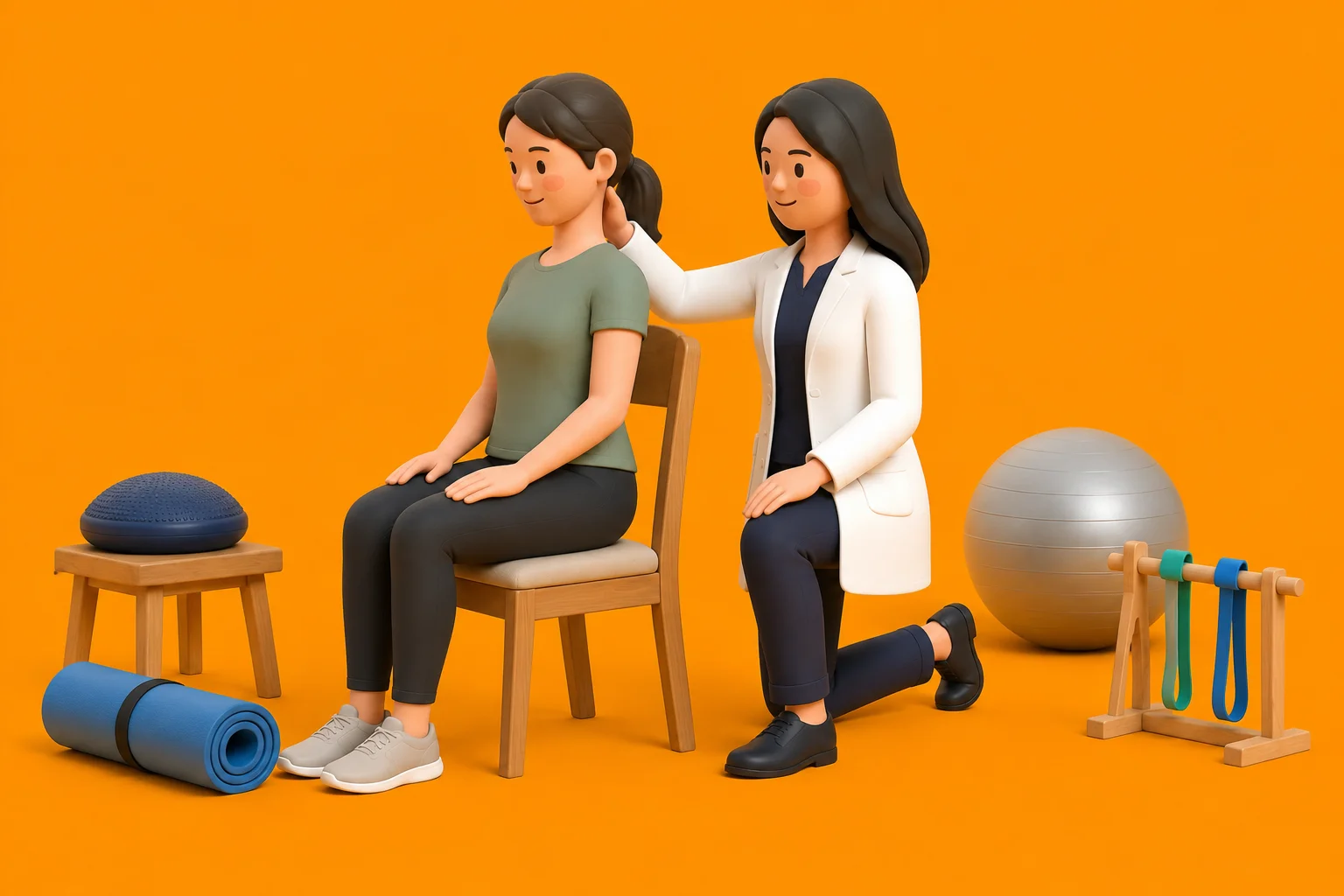
Neck Pain
Cervical spine pain from muscle tension, disc issues, or nerve compression.

Spondylosis
Age-related degeneration of the vertebral discs and joints causing stiffness and pain.
When to seek help
- Persistent joint or muscle pain
- Stiffness after rest or on waking
- Swelling around joints
- Reduced range of movement
- Pain that worsens with activity
- Numbness or tingling in limbs
How treatment is delivered
- Manual therapy and joint mobilisation
- Exercise-based rehabilitation
- Post-operative recovery programmes
- Soft-tissue techniques where clinically appropriate
- Postural correction and ergonomic advice
- Pain management education
Modalities & equipment
Clinical equipment and therapeutic techniques applied based on individual assessment.
TENS (adjunct only)Ultrasound therapy (adjunct only)IFT (adjunct only)SWDHot/Cold packs
These modalities may be used only where clinically appropriate and available. Your physiotherapist decides whether a modality is suitable after assessment. Exercise, education, and active self-management remain central to every plan.
Relevant certifications
Mulligan ConceptMcKenzie MethodMaitland ApproachDry Needling
What treatment aims to do
01
Ease joint stiffness and work on range of movement
02
Manage pain during daily activity
03
Rebuild the strength and movement that daily tasks need
04
Give you and your doctor a clearer picture of your movement before decisions about surgery
In-clinic vs home visit physiotherapy
Transparent comparison| What to compare | In-clinic | Home visit |
|---|---|---|
| Indicative fee band | BookPhysio guide: ₹300 to ₹1,500 a session. This is not a measured average; check the physiotherapist's current profile for the exact fee. | BookPhysio guide: ₹400 to ₹2,000 a session. This is not a measured average; check the physiotherapist's current profile for the exact home-visit fee. |
| Exact fee | Set by each physiotherapist and shown on their profile when an in-clinic fee is listed | Set separately for home visits and shown on their profile when a home-visit fee is listed |
| Decision factors | A clinic setting may offer equipment or facilities that are useful for some sessions. Ask the physiotherapist what is available and appropriate for your appointment. | A home visit can reduce travel when mobility, transport, or convenience matters. Confirm the service area and whether a home visit is appropriate with the physiotherapist. |
| Equipment availability | Varies by clinic and physiotherapist. Ask what equipment or facilities are available. | Varies by physiotherapist and appointment. Ask what they bring for a home visit. |
| Travel | You travel to the clinic | The physiotherapist comes to you |
| Finding an option | Choose an in-clinic option only when the physiotherapist lists it on their profile | Use the home-visit filter and confirm the physiotherapist covers your area |
Frequently asked questions
Ease joint stiffness and work on range of movement Manage pain during daily activity Rebuild the strength and movement that daily tasks need Give you and your doctor a clearer picture of your movement before decisions about surgery
Physiotherapists on BookPhysio.in can offer home visits for orthopaedic physiotherapy. Use the Home visit filter on the search page to see who covers your area.
An in-clinic session is usually ₹300 to ₹1,500 and a home visit ₹400 to ₹2,000. It depends on your city. The exact fee is shown on each physiotherapist's profile before you book, and you pay the physiotherapist directly after the session.
BookPhysio.in does not ask for a referral to send a booking request. If your condition needs medical input first, or your insurer or employer scheme asks for a referral, the physiotherapist will tell you at the assessment. If you already have a prescription or report, share it at your first session.
Clinical guides & evidence for Orthopaedic Physiotherapy
Read in-depth guides, recovery protocols, and evidence-backed home care from our physiotherapy library.
Choosing Care7 min read
Do you need an MRI or X-ray before physiotherapy?
Patients across India frequently spend thousands on diagnostic scans before seeing a physiotherapist. Discover what clinical guidelines say about when imaging is genuinely necessary.
Post-Surgical Rehab3 min read
Anterior Cervical Discectomy and Fusion (ACDF): Post-Op Dysphagia, Collar Weaning and Rehab
Anterior cervical fusion requires retracting the esophagus and trachea. Learn transient dysphagia management, cervical collar weaning, and deep neck flexor stabilization.
Back and Neck Pain3 min read
Oswestry Disability Index (ODI): Scoring, Interpretation and MCID in Lumbar Spine Rehab
The Oswestry Disability Index (ODI) is the gold standard patient-reported outcome measure for lower back pain and lumbar spine rehabilitation. Here is how clinicians calculate, interpret and monitor scores.
Post-Surgical Rehab4 min read
Lumbar microdiscectomy rehabilitation timeline: BLT precautions, core stabilization, and return to work
Lumbar microdiscectomy relieves severe sciatica by excising herniated disc fragments compressing spinal nerve roots. While surgical decompression provides immediate leg pain relief, the annulectomy defect in the disc wall takes 6 to 12 weeks to heal. Master the 6-week BLT precautions, gentle neural mobilization, core retraining, and safe return to desk work.
Find a physiotherapist for this specialty.
Search verified physiotherapists by location, compare fees and visit types, and book a session directly.