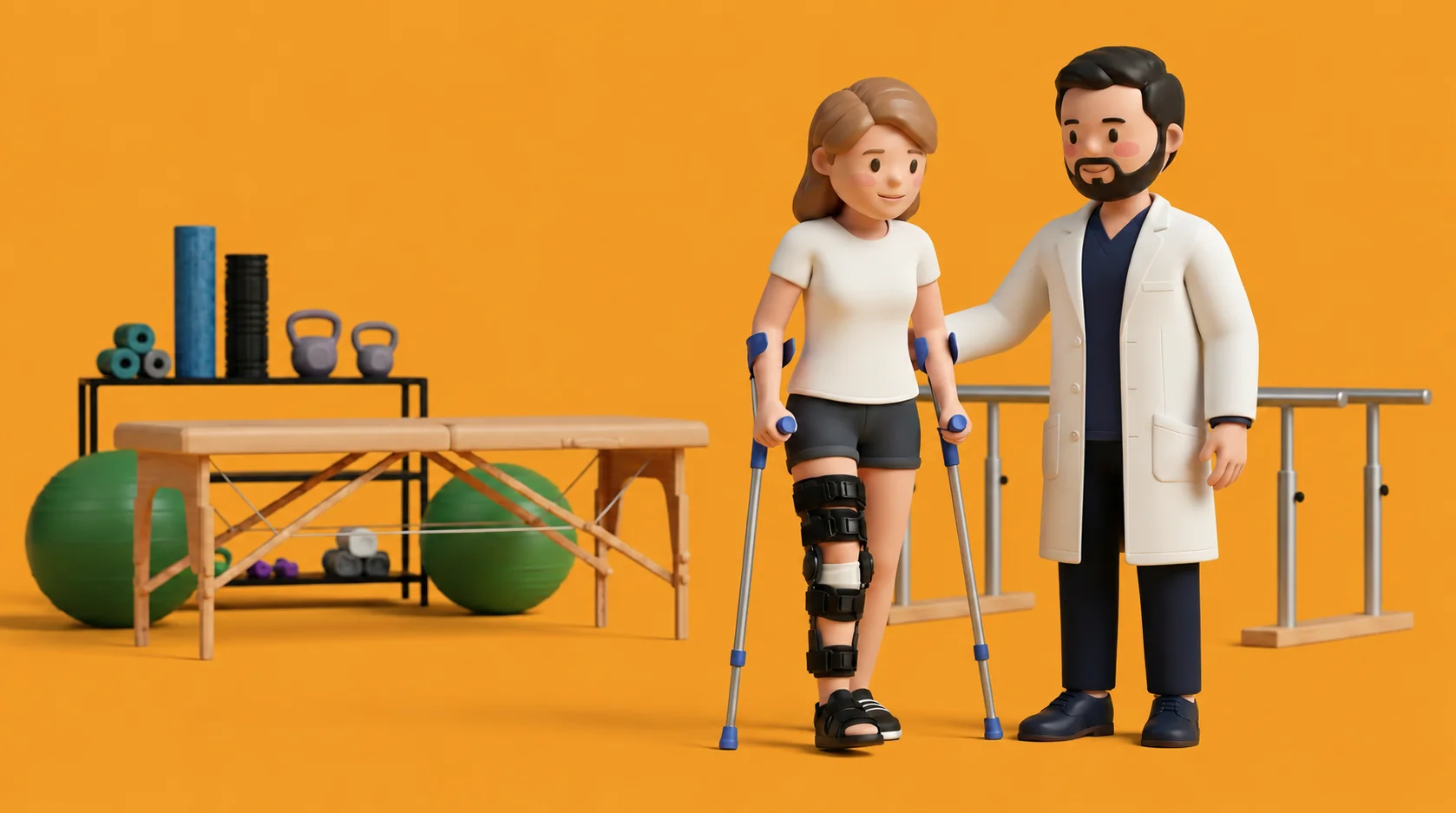
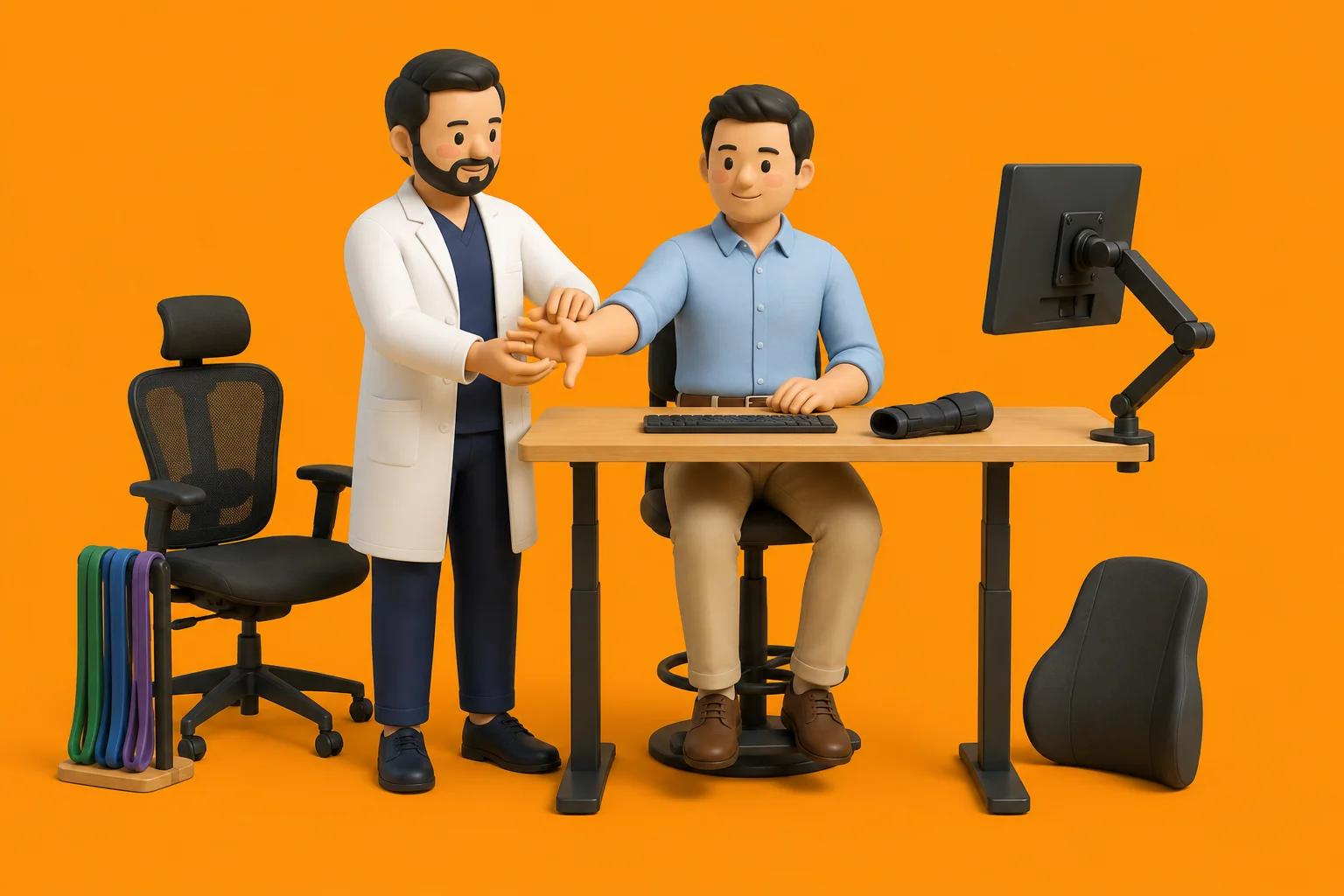
Sports Physiotherapy commonly treats: ACL and ligament tears, Tennis and golfer elbow, Hamstring and muscle strains, Ankle sprains and instability, Shin splints and stress fractures, Rotator cuff injuries.
NCAHP: Sports Sciences · Athletic Injuries
Sports Physiotherapy
Get back to your sport, safely.
Biomechanical analysis and correctionCustomised return-to-play protocolsTargeted injury prevention strategies
This page is for general information only, not medical advice. Always consult a qualified physiotherapist.
What this care covers
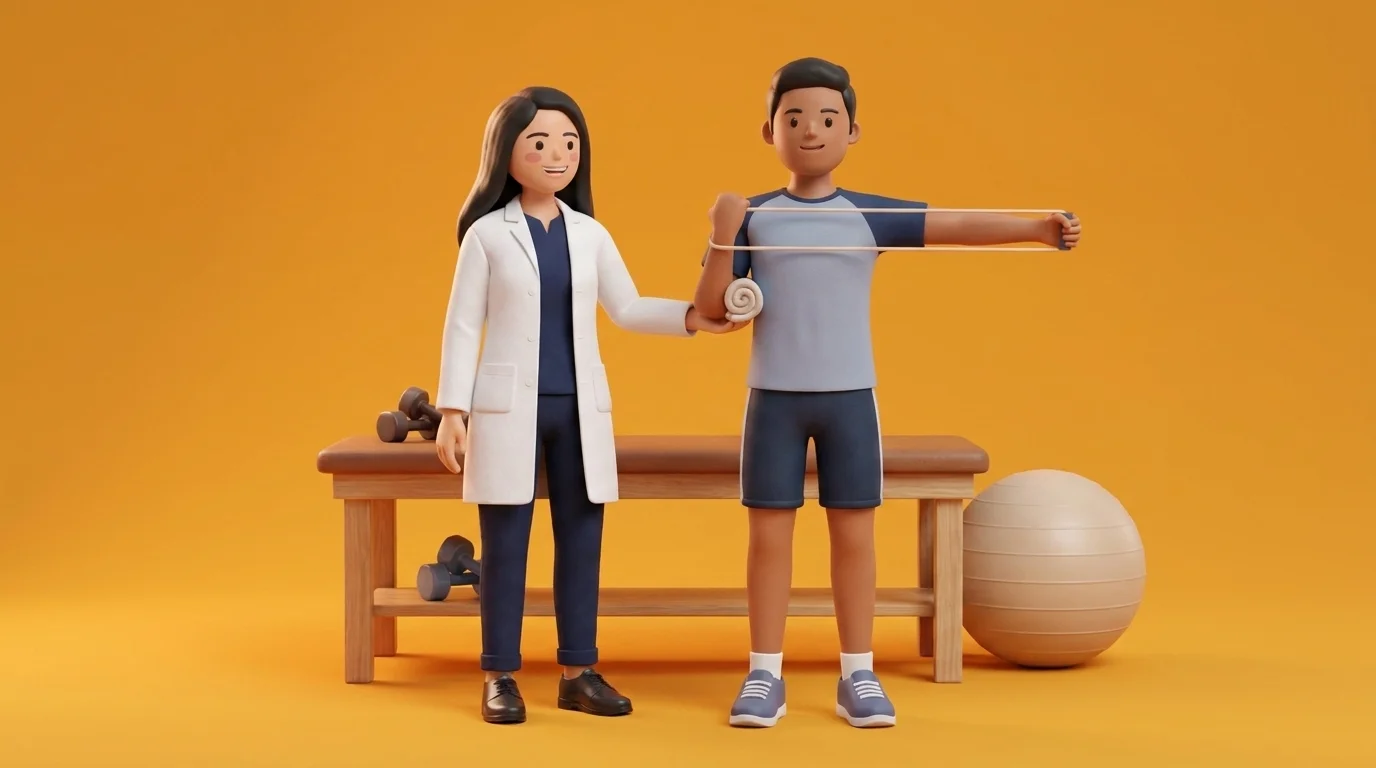
Sports physiotherapy targets the prevention, acute assessment, and rehabilitation of athletic injuries across recreational runners, society turf players, and competitive athletes. Clinical conditions include anterior cruciate ligament (ACL) tears, meniscus lesions, ankle syndesmosis sprains, rotator cuff strains, and hamstring muscle tears. A sports physiotherapist conducts biomechanical analysis to understand tissue load capacity, kinetic chain mechanics, and movement efficiency. Rehabilitation follows structured, milestone-based phases from early pain management and swelling control through progressive tissue loading, reactive strength development, and agility drills. Objective discharge criteria guide a safe return to sport without prematurely overloading healing tissues.
Biomechanical analysis and correction
Customised return-to-play protocols
Targeted injury prevention strategies
Active stretching and joint mobilisation
Conditions treated

ACL Tear
Anterior cruciate ligament rupture requiring progressive rehabilitation for return to sport.
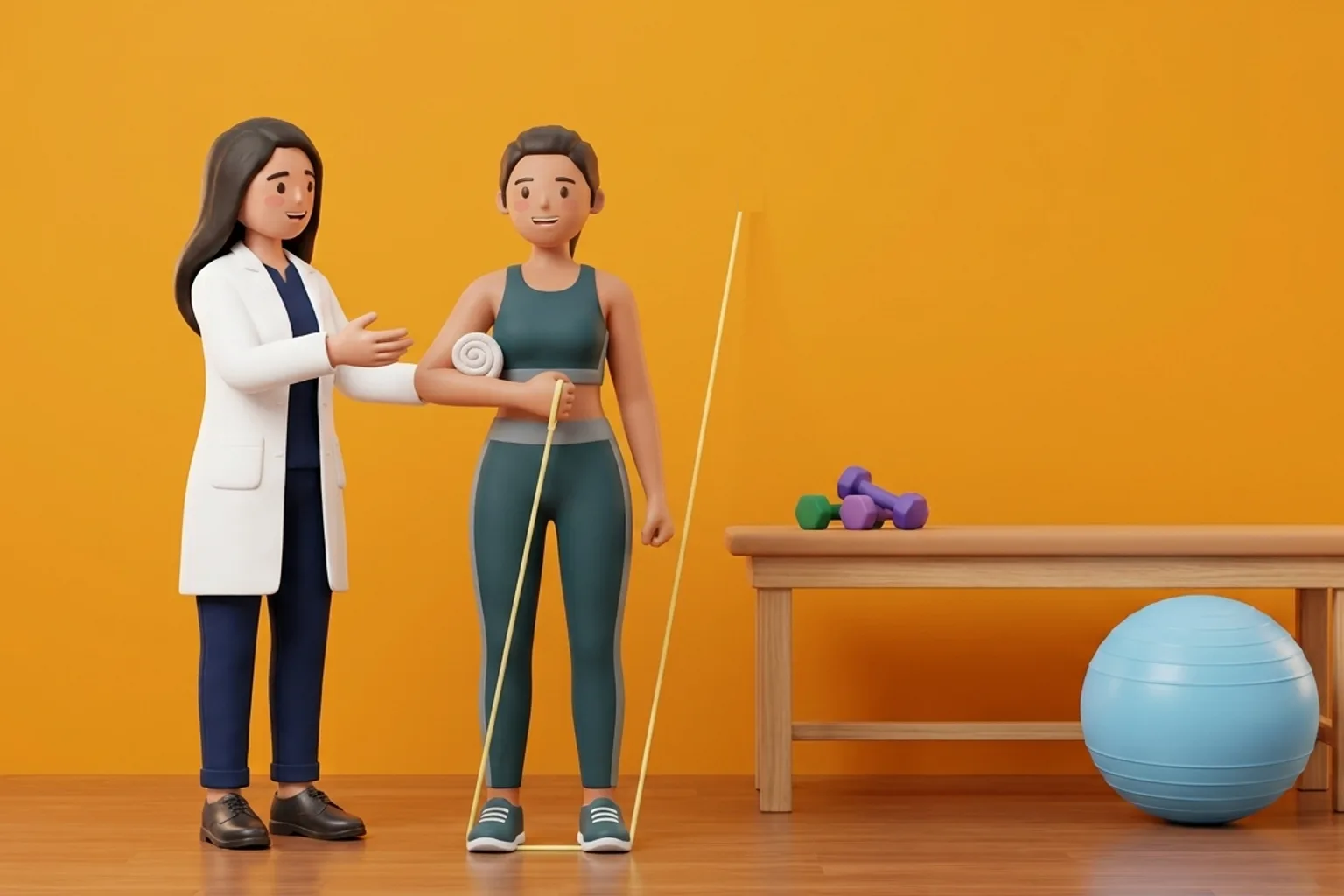
Rotator Cuff Injury
Tears or tendinopathy of the shoulder rotator cuff muscles causing pain and weakness.
Tennis Elbow
Lateral epicondylitis causing outer elbow pain from repetitive wrist and arm movements.

Ankle Sprain
Ligament injury from ankle rolling, requiring stability and proprioception rehabilitation.

Stress Fracture
Overuse bone injury common in runners and athletes, requiring load management.

Hamstring Strain
Muscle tear at the back of the thigh common in sprinting and kicking sports.
When to seek help
- Acute pain at time of injury
- Swelling and bruising around the joint
- Instability or giving way
- Reduced strength and power
- Pain with sport-specific movements
- Stiffness after activity
How treatment is delivered
- Biomechanical analysis and movement correction
- Progressive strength and conditioning
- Criteria-based return-to-play planning
- Sports massage and soft tissue therapy
- Injury prevention programmes
- Taping and bracing support
Modalities & equipment
Clinical equipment and therapeutic techniques applied based on individual assessment.
TENS (adjunct only)Ultrasound therapy (adjunct only)LASER therapyCryotherapyKinesio tapingShockwave therapy (in selected cases)

These modalities may be used only where clinically appropriate and available. Your physiotherapist decides whether a modality is suitable after assessment. Exercise, education, and active self-management remain central to every plan.
Relevant certifications
Sports Physiotherapy certification (IAP)Kinesio TapingDry NeedlingPilates for sports rehab
What treatment aims to do
01
Guide a return to activity at a pace your body can take
02
Address the strength and movement patterns behind a repeat injury
03
Build load tolerance before a return to sport
04
Set clear return-to-play criteria with you
In-clinic vs home visit physiotherapy
Transparent comparison| What to compare | In-clinic | Home visit |
|---|---|---|
| Indicative fee band | BookPhysio guide: ₹300 to ₹1,500 a session. This is not a measured average; check the physiotherapist's current profile for the exact fee. | BookPhysio guide: ₹400 to ₹2,000 a session. This is not a measured average; check the physiotherapist's current profile for the exact home-visit fee. |
| Exact fee | Set by each physiotherapist and shown on their profile when an in-clinic fee is listed | Set separately for home visits and shown on their profile when a home-visit fee is listed |
| Decision factors | A clinic setting may offer equipment or facilities that are useful for some sessions. Ask the physiotherapist what is available and appropriate for your appointment. | A home visit can reduce travel when mobility, transport, or convenience matters. Confirm the service area and whether a home visit is appropriate with the physiotherapist. |
| Equipment availability | Varies by clinic and physiotherapist. Ask what equipment or facilities are available. | Varies by physiotherapist and appointment. Ask what they bring for a home visit. |
| Travel | You travel to the clinic | The physiotherapist comes to you |
| Finding an option | Choose an in-clinic option only when the physiotherapist lists it on their profile | Use the home-visit filter and confirm the physiotherapist covers your area |
Frequently asked questions
Guide a return to activity at a pace your body can take Address the strength and movement patterns behind a repeat injury Build load tolerance before a return to sport Set clear return-to-play criteria with you
Physiotherapists on BookPhysio.in can offer home visits for sports physiotherapy. Use the Home visit filter on the search page to see who covers your area.
An in-clinic session is usually ₹300 to ₹1,500 and a home visit ₹400 to ₹2,000. It depends on your city. The exact fee is shown on each physiotherapist's profile before you book, and you pay the physiotherapist directly after the session.
BookPhysio.in does not ask for a referral to send a booking request. If your condition needs medical input first, or your insurer or employer scheme asks for a referral, the physiotherapist will tell you at the assessment. If you already have a prescription or report, share it at your first session.
Clinical guides & evidence for Sports Physiotherapy
Read in-depth guides, recovery protocols, and evidence-backed home care from our physiotherapy library.
Sports and Injuries7 min read
Physiotherapy for sports performance and injury risk: what it can and cannot promise
Physiotherapy is not merely post-injury repair: it is a foundational science of athletic resilience. Learn how structured neuromuscular training optimizes performance while reducing injury risk.
Sports and Injuries6 min read
Soft tissue injury: what to do after a new sprain or strain
Twisted your ankle or pulled a muscle? Discover why modern sports medicine has replaced traditional icing and rest with the evidence-based PEACE & LOVE rehabilitation protocol.
Sports and Injuries7 min read
Sports injury rehabilitation: what a safe return should consider
Returning to competitive sport based on the calendar rather than objective physical criteria causes thousands of re-injuries every year. Discover the clinical framework for a truly safe return.
Sports and Injuries3 min read
Achilles Tendinopathy: Heavy Slow Resistance (HSR) vs Alfredson Eccentric Loading
Midportion Achilles tendinopathy limits runners and walkers. Compare the Alfredson eccentric protocol with Heavy Slow Resistance (HSR), VISA-A scoring, and loading progressions.
Find a physiotherapist for this specialty.
Search verified physiotherapists by location, compare fees and visit types, and book a session directly.