
Physiotherapy for Spinal Cord Injury

Quick answer
Physiotherapy is central to spinal cord injury rehabilitation, rebuilding strength and movement, maximising independence, and helping prevent complications, alongside the medical team.
- Central to rebuilding strength and independence
- Home visits suit ongoing rehabilitation
- Works alongside your medical team
- We check every physiotherapist’s registration details before their profile goes live
What is spinal cord injury?
A spinal cord injury affects movement and sensation below the level of injury. Rehabilitation focuses on making the most of available function, maximising independence, and preventing complications such as joint tightness. Physiotherapy is a core part of this, often continuing long-term and at home, working alongside the wider medical team including your rehabilitation doctor and surgeon.
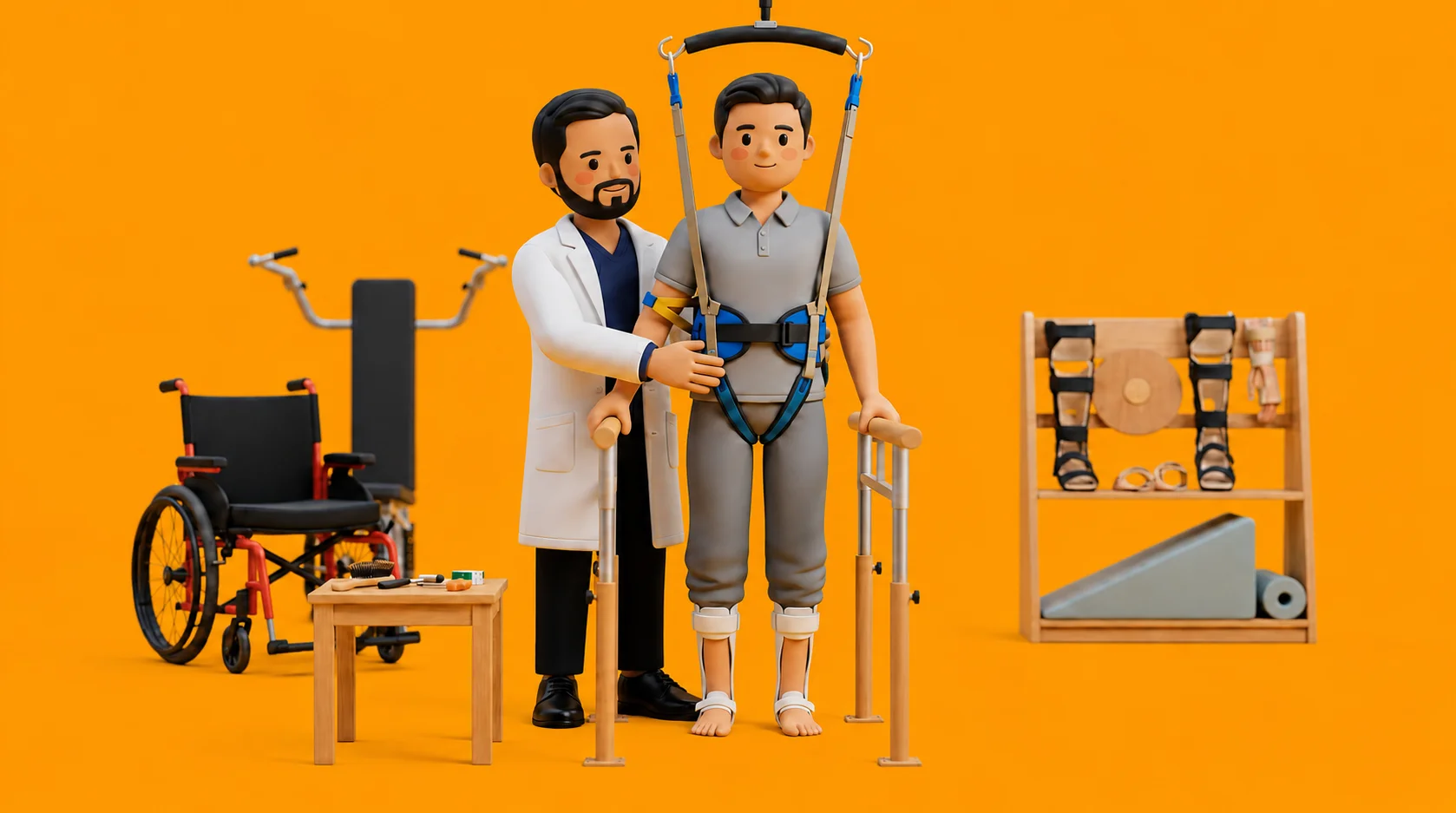
Neurological Physiotherapy
Spinal Cord Injury is assessed and treated under Neurological physiotherapy (nerves & brain). Stroke recovery, nerve rehabilitation, and neurological movement disorders.
How physiotherapy helps
- Strengthening the muscles you can use
- Transfers, mobility, and wheelchair skills
- Maintaining joint range and preventing tightness
- Breathing support where needed
- Building independence in daily activities
Common signs
- Weakness or paralysis below the level of injury
- Altered or absent sensation
- Difficulty with movement and transfers
- Muscle tightness or spasms
- Changes managed by your medical team, such as bladder or bowel function
In-clinic vs home visit physiotherapy
| What to compare | In-clinic | Home visit |
|---|---|---|
| Typical fee | ₹300 to ₹1,500 a session. It depends on your city. | ₹400 to ₹2,000 a session. It depends on your city. |
| Exact fee | Set by each physiotherapist and shown on their profile | Set separately for home visits and shown on their profile |
| Best for | Equipment-based rehab and first assessments | Limited mobility, post-surgery, and elderly care |
| Equipment | Full clinic setup | Portable equipment the physiotherapist brings |
| Travel | You travel to the clinic | The physiotherapist comes to you |
| Booking | Pick a clinic slot on search | Filter by home visit on search |
Clinical rehabilitation framework
Evidence-informed clinical progression and starter exercise targets for spinal cord injury.
Clinical progression criteria & key observations
- Always document neurological level, ASIA grade, and time since injury: these three facts set realistic goals for every other team member
- Know the autonomic dysreflexia protocol (sit up, loosen tight clothing, find and remove the trigger, monitor blood pressure) before it happens, not during it
Starter exercise targets & evidence-based dosage
When to seek urgent care
Physiotherapy is safe for most people. See a doctor urgently if you have any of these.
- Sudden severe headache, sweating, flushing, and a pounding heartbeat, often triggered by a full bladder or bowel. This is autonomic dysreflexia, a sign of dangerously high blood pressure. Sit upright, look for and relieve the trigger, and seek emergency care
- New weakness, or symptoms rising to a higher level
- Breathing difficulty, which needs medical review
- Signs of a urinary infection such as fever, cloudy urine, or feeling unwell
- Skin breakdown or pressure sores, which need prompt medical review
- A sudden unexplained increase in spasticity, which needs medical review
Seek urgent medical care first. Physiotherapy comes after, when it is safe.
Frequently asked questions
Can physiotherapy help after a spinal cord injury?
Can I get physiotherapy for spinal cord injury at home?
How much does physiotherapy for spinal cord injury cost in India?
Related conditions & care


Clinical guides & articles for spinal cord injury
Evidence-informed articles, recovery timelines, and home care advice from our clinical library.
Spinal Cord Injury: Transfer Techniques, Wheelchair Skills, and Pressure Sore Prevention
Navigating life after a spinal cord injury requires mastering independent transfers, wheelchair mobility, and vigilant skin care. Discover evidence-based neuro-rehabilitation.
Physiotherapy for Multiple Sclerosis and Spinal Mobility: Managing Spasticity, Balance and Fatigue
Specialized neuro-physiotherapy helps people with multiple sclerosis and spinal conditions manage spasticity, overcome neuro-fatigue, and maintain independent walking. Learn evidence-based rehabilitation protocols.
Find physiotherapists for spinal cord injury by city
Verified physiotherapists treat spinal cord injury in these cities. Home visit and in-clinic options vary by physiotherapist.
Find a physiotherapist for spinal cord injury
Compare physiotherapists by fee, experience, and availability. Clinic visits and home visits across India.
This page is for general education and booking guidance. It does not diagnose your condition or replace medical care.
If your symptoms are severe, sudden, or getting worse, seek urgent medical care first. The same applies with fever, chest pain, breathlessness, fainting, new weakness, loss of bladder or bowel control, or unexplained bleeding.
Always consult a qualified physiotherapist or doctor about your condition.