
Physiotherapy for Coordination Difficulties in Children

Quick answer
Physiotherapy helps children with coordination difficulties build motor skills, balance, and confidence through fun, structured activities, so everyday tasks and play become easier.
- Builds motor skills and confidence through play
- Home and clinic visits available across India
- Parent and school guidance included
- We check every physiotherapist’s registration details before their profile goes live
What is coordination difficulties in children?
Some children find motor coordination harder than their peers, including children with developmental coordination disorder (DCD). They may have difficulty with balance, gross or fine motor skills, body awareness, or movement planning. Physiotherapy builds motor skills, balance, and confidence through fun, structured activities, breaking tasks into achievable steps so play, sport, and daily tasks become easier.
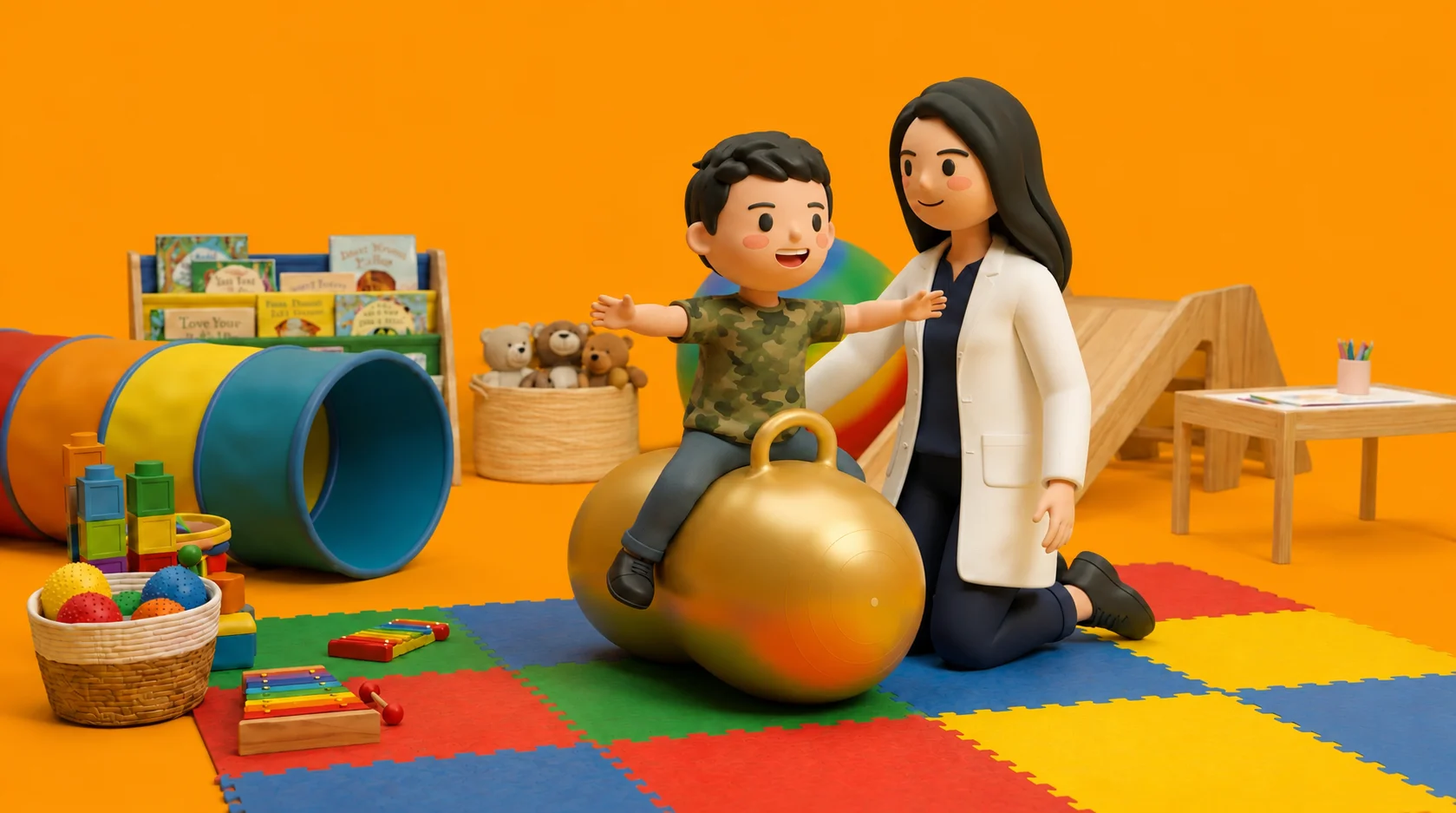
Paediatric Physiotherapy
Coordination Difficulties in Children is assessed and treated under Paediatric physiotherapy (children). Developmental support, motor milestones, and early intervention for children. Requires relevant specialty training and works alongside your medical team where needed.
How physiotherapy helps
- Motor skill and coordination activities
- Balance and strength work
- Breaking tasks into achievable steps
- Building confidence in play and sport
- Advice for parents and school
Common signs
- Clumsiness, or frequent bumping and falling
- Difficulty with running, jumping, or catching
- Trouble with fine motor tasks such as handwriting or buttons
- Avoiding physical play
- Taking longer to learn new motor skills
In-clinic vs home visit physiotherapy
| What to compare | In-clinic | Home visit |
|---|---|---|
| Indicative fee band | BookPhysio guide: ₹300 to ₹1,500 a session. This is not a measured average; check the physiotherapist's current profile for the exact fee. | BookPhysio guide: ₹400 to ₹2,000 a session. This is not a measured average; check the physiotherapist's current profile for the exact home-visit fee. |
| Exact fee | Set by each physiotherapist and shown on their profile when an in-clinic fee is listed | Set separately for home visits and shown on their profile when a home-visit fee is listed |
| Decision factors | A clinic setting may offer equipment or facilities that are useful for some sessions. Ask the physiotherapist what is available and appropriate for your appointment. | A home visit can reduce travel when mobility, transport, or convenience matters. Confirm the service area and whether a home visit is appropriate with the physiotherapist. |
| Equipment availability | Varies by clinic and physiotherapist. Ask what equipment or facilities are available. | Varies by physiotherapist and appointment. Ask what they bring for a home visit. |
| Travel | You travel to the clinic | The physiotherapist comes to you |
| Finding an option | Choose an in-clinic option only when the physiotherapist lists it on their profile | Use the home-visit filter and confirm the physiotherapist covers your area |
Clinical rehabilitation framework
Evidence-informed clinical progression and starter exercise targets for coordination difficulties in children.
Clinical progression criteria & key observations
- Track TRAJECTORY (is the child gaining skills, even slowly) rather than a single delayed milestone in isolation: a flat trajectory is more concerning than a delayed-but-progressing one
- Isolated gross motor delay in an otherwise typically developing child often has a good outcome with input; global delay needs the wider paediatric team
Starter exercise targets & evidence-based dosage
When to seek urgent care
Physiotherapy is safe for most people. See a doctor urgently if you have any of these.
- A loss of skills the child had already learned
- New neurological symptoms
- A sudden change in movement or coordination
Seek urgent medical care first. Physiotherapy comes after, when it is safe.
Frequently asked questions
How does physiotherapy help a clumsy child?
Can I get physiotherapy for coordination difficulties at home?
How much does physiotherapy for coordination difficulties cost in India?
Related conditions & care


Clinical guides & articles for coordination difficulties in children
Evidence-informed articles, recovery timelines, and home care advice from our clinical library.
Growing Pains vs Hypermobility in Indian Children: Beighton Score, Joint Pain, and Physio Rehab
Nocturnal leg crying spells in children are often misdiagnosed as growing pains rather than hypermobility. Discover the Beighton Score and clinical joint stabilizing physio.
Flat Feet (Pes Planus) in Indian Toddlers: Arch Development, Barefoot Walking, and Paediatric Physio
Almost all toddlers have flat feet due to a natural fat pad. Discover Jack's test to distinguish flexible from rigid arches, barefoot benefits, and physio.
Developmental Coordination Disorder (DCD / Dyspraxia): Helping Clumsy Children Build Agility and Balance
Children labelled clumsy, uncoordinated, or slow often have Developmental Coordination Disorder. Discover how motor planning physiotherapy builds lasting athletic confidence.
Developmental Coordination Disorder (DCD): MABC-2, CO-OP and Motor Learning
Developmental Coordination Disorder affects motor planning and coordination. Learn how clinicians administer the MABC-2 and implement the task-oriented CO-OP approach.
Search for a physiotherapist
Keep coordination difficulties in children as your search context, then review each current profile for specialties, listed conditions, visit types, fee and availability before you request an appointment.
This page is for general education and booking guidance. It does not diagnose your condition or replace medical care.
If your symptoms are severe, sudden, or getting worse, seek urgent medical care first. The same applies with fever, chest pain, breathlessness, fainting, new weakness, loss of bladder or bowel control, or unexplained bleeding.
Always consult a qualified physiotherapist or doctor about your condition.