
Physiotherapy for Diastasis Recti

Quick answer
Physiotherapy for diastasis recti rebuilds deep-core strength and control after pregnancy with safe, progressive exercises. The aim is function, how well your tummy supports you during daily movement, not just the width of the gap.
- A guided programme rebuilds deep-core support
- Book directly, we do not ask for a referral. Red-flag symptoms need medical care first
- Clinic and home visits available across India
- We check every physiotherapist’s registration details before their profile goes live
What is diastasis recti?
Diastasis recti is a separation of the tummy muscles along the midline that can develop during and after pregnancy, leaving the core feeling weak. Recovery is not only about closing the gap. Physiotherapy focuses on function: breathing, pressure control, trunk strength, pelvic floor coordination, and posture, so the abdominal wall supports you during real movements such as getting up, lifting, coughing, and caring for a baby. The gap width is one part of the assessment, not the only measure of progress.
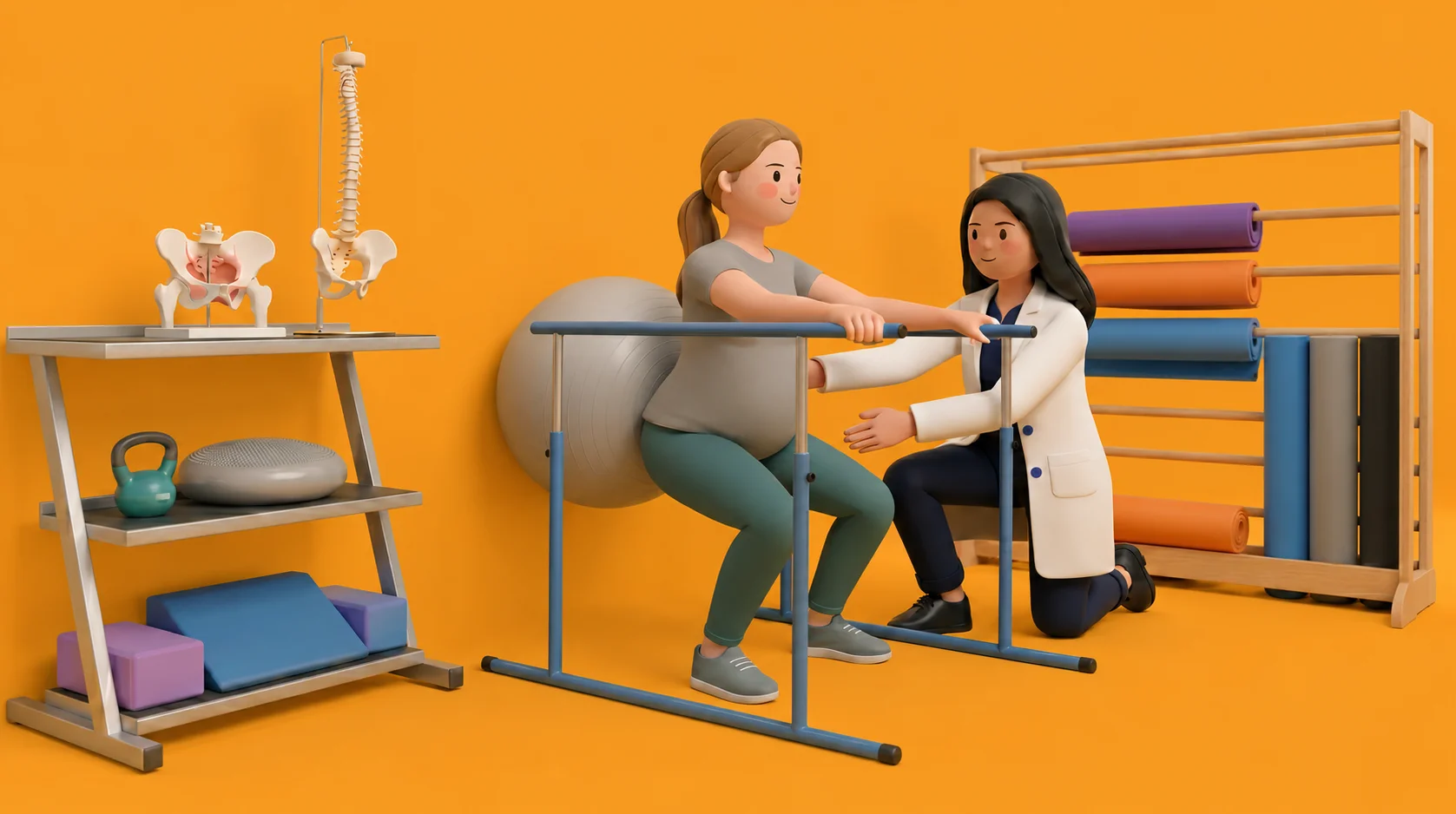
Women's Health Physiotherapy
Diastasis Recti is assessed and treated under Women's Health physiotherapy (pregnancy & pelvic health). Prenatal, postnatal, and pelvic floor physiotherapy for every stage of a woman's life. Requires relevant specialty training and works alongside your medical team where needed. Any intimate or internal assessment is consent-based, private, and optional, and you can stop at any time. Internal assessment is not mandatory to book or begin care.
How physiotherapy helps
- Assessment of the separation and how your abdominal wall manages load during daily movements
- Progressive deep-core and pelvic-floor exercises
- Guidance on which movements to avoid for now
- Posture and safe-lifting advice for baby care
- A graded return to fuller exercise
Common signs
- A bulge or doming along the midline when sitting up
- A gap you can feel above or below the navel
- A weak core
- Lower back ache
- A feeling of less support through the tummy
In-clinic vs home visit physiotherapy
| What to compare | In-clinic | Home visit |
|---|---|---|
| Typical fee | ₹300 to ₹1,500 a session. It depends on your city. | ₹400 to ₹2,000 a session. It depends on your city. |
| Exact fee | Set by each physiotherapist and shown on their profile | Set separately for home visits and shown on their profile |
| Best for | Equipment-based rehab and first assessments | Limited mobility, post-surgery, and elderly care |
| Equipment | Full clinic setup | Portable equipment the physiotherapist brings |
| Travel | You travel to the clinic | The physiotherapist comes to you |
| Booking | Pick a clinic slot on search | Filter by home visit on search |
Clinical rehabilitation framework
Evidence-informed clinical progression and starter exercise targets for diastasis recti.
Clinical progression criteria & key observations
- Assess tension/doming under load, not just the static gap width: a narrower gap that domes under effort is functionally worse than a wider gap that stays taut
- Screen the pelvic floor at the same visit: diastasis and pelvic floor dysfunction share the same pressure-management root cause and often coexist
Starter exercise targets & evidence-based dosage
When to seek urgent care
Physiotherapy is safe for most people. See a doctor urgently if you have any of these.
- A painful, tender bulge, which can mean a hernia
- Severe abdominal pain or vomiting
- For these, seek medical review
Seek urgent medical care first. Physiotherapy comes after, when it is safe.
Frequently asked questions
Can diastasis recti be fixed with exercise?
Can I get physiotherapy for diastasis recti at home?
How much does physiotherapy for diastasis recti cost in India?
Related conditions & care

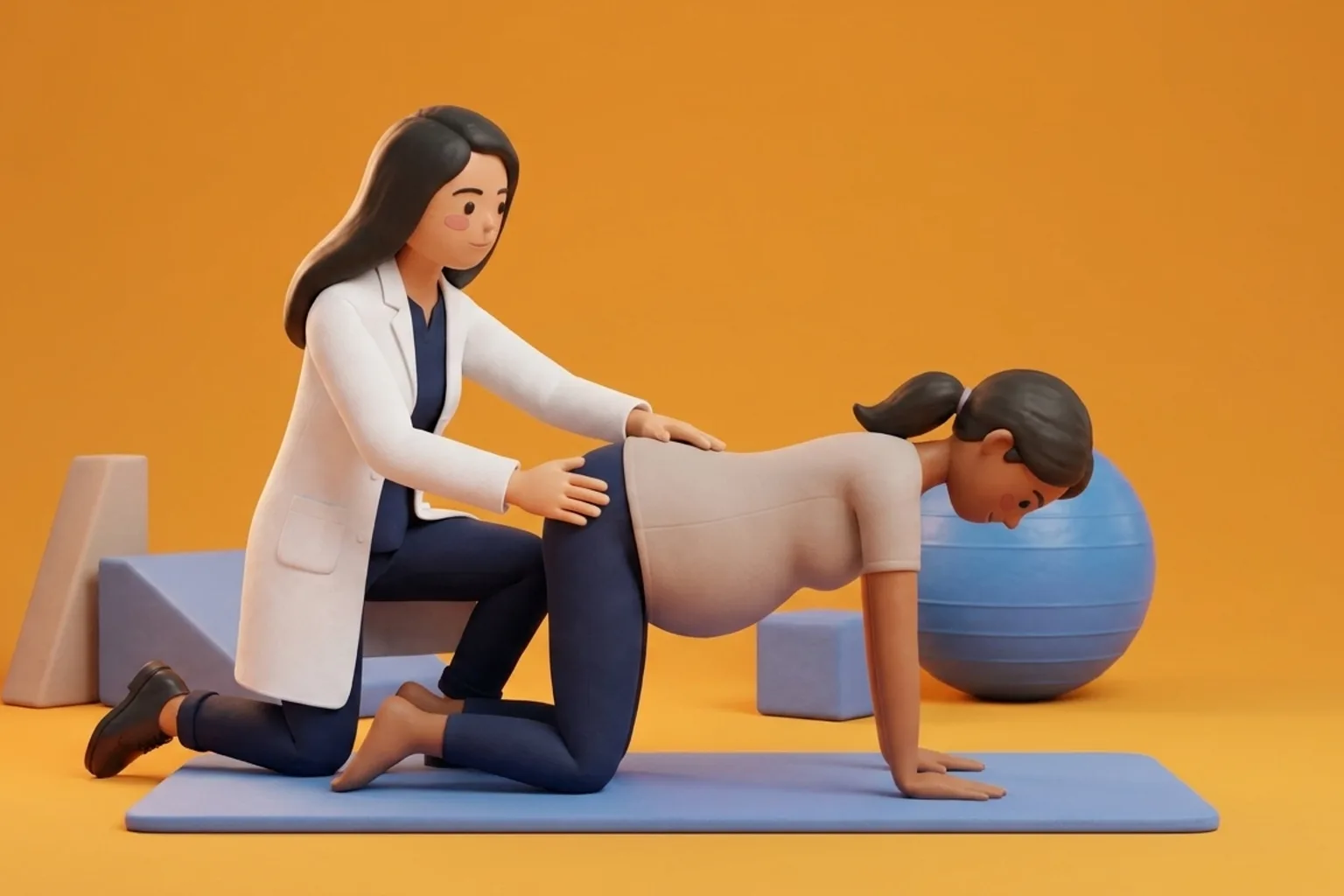
Clinical guides & articles for diastasis recti
Evidence-informed articles, recovery timelines, and home care advice from our clinical library.
C-section recovery and postnatal physiotherapy in India
Recovery after a caesarean birth varies by the operation, pregnancy and birth history, wound healing, symptoms, and medical advice. Postnatal physiotherapy may support movement, function, pelvic health, and return to activity, but exercise and scar advice should be individualised and coordinated with the obstetric team when needed.
How to find and book a verified female physiotherapist for home visits in India
Cultural privacy, personal dignity, and specialized women's health needs make booking a female physiotherapist the preferred choice for many Indian families. Learn how to verify credentials and arrange home care.
C-Section Scar Tissue Mobilisation: Preventing the Postnatal Shelf and Rebuilding Core Stability in India
Caesarean scars frequently adhere to the bladder and abdominal fascia, causing persistent belly overhang and back pain. Discover clinical scar mobilisation and rehab.
Diastasis Recti Postpartum: Closing the Abdominal Gap Safely Without Crunches
Abdominal separation after pregnancy requires functional deep-core rehabilitation rather than cosmetic crunches. Discover how to rebuild midline tension safely.
Find physiotherapists for diastasis recti by city
Verified physiotherapists treat diastasis recti in these cities. Home visit and in-clinic options vary by physiotherapist.
Find a physiotherapist for diastasis recti
Compare physiotherapists by fee, experience, and availability. Clinic visits and home visits across India.
This page is for general education and booking guidance. It does not diagnose your condition or replace medical care.
If your symptoms are severe, sudden, or getting worse, seek urgent medical care first. The same applies with fever, chest pain, breathlessness, fainting, new weakness, loss of bladder or bowel control, or unexplained bleeding.
Always consult a qualified physiotherapist or doctor about your condition.