
Physiotherapy for Postnatal Recovery

Quick answer
Physiotherapy for postnatal recovery rebuilds the deep core and pelvic floor after childbirth with a safe, progressive plan, so you can return to activity with confidence.
- A safe, progressive return-to-activity plan
- Home visits suit the early postnatal period
- Book directly, we do not ask for a referral. Red-flag symptoms need medical care first
- We check every physiotherapist’s registration details before their profile goes live
What is postnatal core weakness?
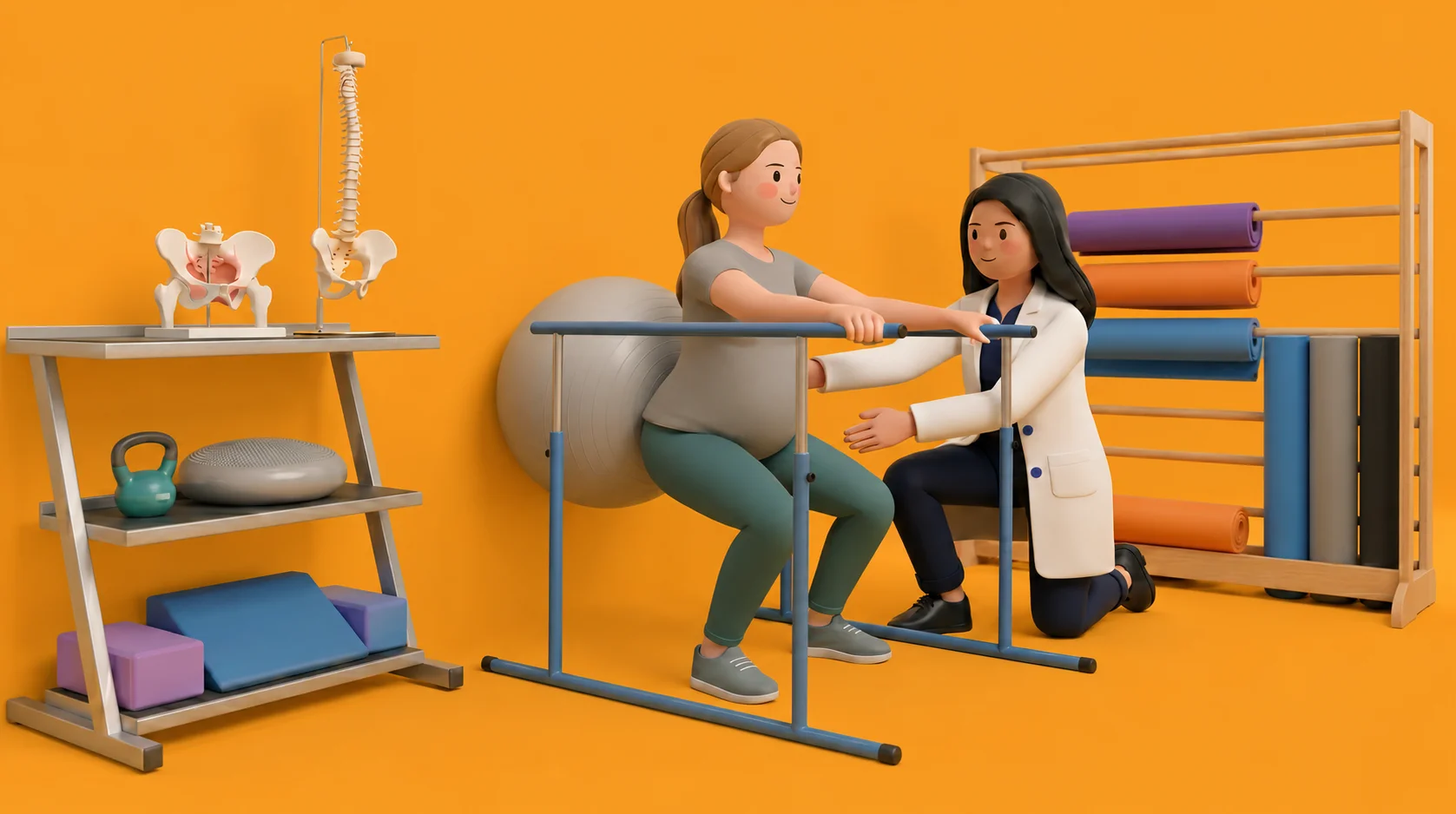
After childbirth, the deep core and pelvic floor are weakened, whatever the type of delivery. Physiotherapy guides a safe recovery: rebuilding the core and pelvic floor, checking for diastasis recti, and supporting a confident, gradual return to exercise and daily life with a new baby, working alongside your maternity and medical team.
Women's Health Physiotherapy
Postnatal Core Weakness is assessed and treated under Women's Health physiotherapy (pregnancy & pelvic health). Prenatal, postnatal, and pelvic floor physiotherapy for every stage of a woman's life. Requires relevant specialty training and works alongside your medical team where needed. Any intimate or internal assessment is consent-based, private, and optional, and you can stop at any time. Internal assessment is not mandatory to book or begin care.
How physiotherapy helps

- Pelvic floor and deep-core rehabilitation
- A graded return-to-exercise plan
- Checking for diastasis recti
- Posture and safe-lifting advice for baby care
- Addressing any leakage or heaviness
Common signs
- A weak core
- Leaking urine with coughing, sneezing, or exercise
- A heavy or dragging feeling in the pelvis
- Back ache
- Not feeling ready to return to exercise
In-clinic vs home visit physiotherapy
| What to compare | In-clinic | Home visit |
|---|---|---|
| Indicative fee band | BookPhysio guide: ₹300 to ₹1,500 a session. This is not a measured average; check the physiotherapist's current profile for the exact fee. | BookPhysio guide: ₹400 to ₹2,000 a session. This is not a measured average; check the physiotherapist's current profile for the exact home-visit fee. |
| Exact fee | Set by each physiotherapist and shown on their profile when an in-clinic fee is listed | Set separately for home visits and shown on their profile when a home-visit fee is listed |
| Decision factors | A clinic setting may offer equipment or facilities that are useful for some sessions. Ask the physiotherapist what is available and appropriate for your appointment. | A home visit can reduce travel when mobility, transport, or convenience matters. Confirm the service area and whether a home visit is appropriate with the physiotherapist. |
| Equipment availability | Varies by clinic and physiotherapist. Ask what equipment or facilities are available. | Varies by physiotherapist and appointment. Ask what they bring for a home visit. |
| Travel | You travel to the clinic | The physiotherapist comes to you |
| Finding an option | Choose an in-clinic option only when the physiotherapist lists it on their profile | Use the home-visit filter and confirm the physiotherapist covers your area |
Clinical rehabilitation framework
Evidence-informed clinical progression and starter exercise targets for postnatal core weakness.
Clinical progression criteria & key observations
- Relaxin-related joint laxity persists for months postpartum (longer with breastfeeding): progress load thoughtfully rather than assuming full stability is back at a fixed week
- A structured "return to running/impact" postnatal pathway (walk, then walk-run, then run, gated on symptom-free function at each stage) reduces the injury and pelvic-floor-symptom rate seen with an unstructured jump back in
Starter exercise targets & evidence-based dosage
When to seek urgent care
Physiotherapy is safe for most people. See a doctor urgently if you have any of these.
- Heavy bleeding or fever
- Severe pain
- A feeling of something bulging in the vagina, which needs review
Seek urgent medical care first. Physiotherapy comes after, when it is safe.
Frequently asked questions
When can I start postnatal physiotherapy?
Can I get physiotherapy for postnatal recovery at home?
How much does physiotherapy for postnatal recovery cost in India?
Related conditions & care

Clinical guides & articles for postnatal core weakness
Evidence-informed articles, recovery timelines, and home care advice from our clinical library.
C-section recovery and postnatal physiotherapy in India
Recovery after a caesarean birth varies by the operation, pregnancy and birth history, wound healing, symptoms, and medical advice. Postnatal physiotherapy may support movement, function, pelvic health, and return to activity, but exercise and scar advice should be individualised and coordinated with the obstetric team when needed.
How to find and book a verified female physiotherapist for home visits in India
Cultural privacy, personal dignity, and specialized women's health needs make booking a female physiotherapist the preferred choice for many Indian families. Learn how to verify credentials and arrange home care.
C-Section Scar Tissue Mobilisation: Preventing the Postnatal Shelf and Rebuilding Core Stability in India
Caesarean scars frequently adhere to the bladder and abdominal fascia, causing persistent belly overhang and back pain. Discover clinical scar mobilisation and rehab.
PCOS and Insulin Resistance: How Progressive Resistance Training Transforms Hormonal Health in Indian Women
Excessive cardio elevates cortisol, worsening PCOS symptoms. Discover how clinical resistance training activates GLUT4 glucose uptake and restores hormonal balance.
Search for a physiotherapist
Keep postnatal core weakness as your search context, then review each current profile for specialties, listed conditions, visit types, fee and availability before you request an appointment.
This page is for general education and booking guidance. It does not diagnose your condition or replace medical care.
If your symptoms are severe, sudden, or getting worse, seek urgent medical care first. The same applies with fever, chest pain, breathlessness, fainting, new weakness, loss of bladder or bowel control, or unexplained bleeding.
Always consult a qualified physiotherapist or doctor about your condition.