
Physiotherapy for Bowel Control Problems

Quick answer
Physiotherapy for bowel control problems (faecal incontinence) strengthens and retrains the pelvic floor and bowel habits, and is a recommended first-line treatment. Sessions are private, and it helps many people regain control.
- A recommended first-line treatment
- Private, one-to-one care
- Book directly, we do not ask for a referral. Red-flag symptoms need medical care first
- We check every physiotherapist’s registration details before their profile goes live
What is faecal incontinence?
Faecal incontinence is difficulty controlling the bowels, from trouble holding wind to leakage of stool. It is more common than people think, and many people improve with the right support. Pelvic floor rehabilitation, biofeedback where appropriate, and bowel retraining are recommended first-line care, in private, respectful sessions. Any intimate or internal assessment happens only with your informed consent and privacy, and you can stop at any time. Internal assessment is not mandatory to book or begin care, and your physiotherapist should explain all options and only proceed with your consent.
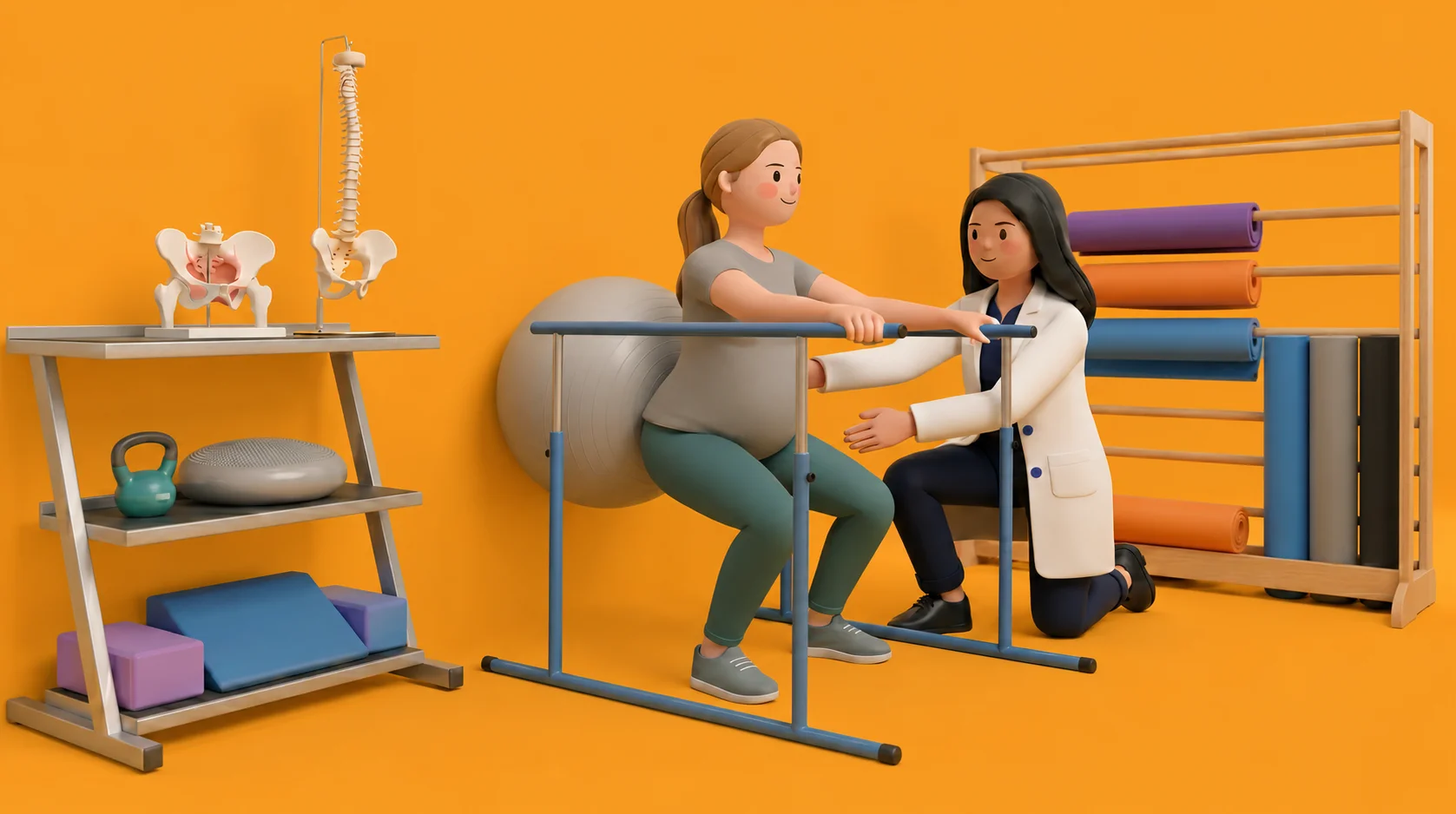
Women's Health Physiotherapy
Faecal Incontinence is assessed and treated under Women's Health physiotherapy (pregnancy & pelvic health). Prenatal, postnatal, and pelvic floor physiotherapy for every stage of a woman's life. Requires relevant specialty training and works alongside your medical team where needed. Any intimate or internal assessment is consent-based, private, and optional, and you can stop at any time. Internal assessment is not mandatory to book or begin care.
How physiotherapy helps
- Pelvic floor assessment and strengthening
- Biofeedback training
- Bowel-habit and toileting retraining
- Diet and lifestyle advice
- Urge-control techniques
Common signs
- Leakage of stool
- Difficulty controlling wind
- Urgency to open the bowels
- Not reaching the toilet in time
- Reduced sensation or control
In-clinic vs home visit physiotherapy
| What to compare | In-clinic | Home visit |
|---|---|---|
| Indicative fee band | BookPhysio guide: ₹300 to ₹1,500 a session. This is not a measured average; check the physiotherapist's current profile for the exact fee. | BookPhysio guide: ₹400 to ₹2,000 a session. This is not a measured average; check the physiotherapist's current profile for the exact home-visit fee. |
| Exact fee | Set by each physiotherapist and shown on their profile when an in-clinic fee is listed | Set separately for home visits and shown on their profile when a home-visit fee is listed |
| Decision factors | A clinic setting may offer equipment or facilities that are useful for some sessions. Ask the physiotherapist what is available and appropriate for your appointment. | A home visit can reduce travel when mobility, transport, or convenience matters. Confirm the service area and whether a home visit is appropriate with the physiotherapist. |
| Equipment availability | Varies by clinic and physiotherapist. Ask what equipment or facilities are available. | Varies by physiotherapist and appointment. Ask what they bring for a home visit. |
| Travel | You travel to the clinic | The physiotherapist comes to you |
| Finding an option | Choose an in-clinic option only when the physiotherapist lists it on their profile | Use the home-visit filter and confirm the physiotherapist covers your area |
Clinical rehabilitation framework
Evidence-informed clinical progression and starter exercise targets for faecal incontinence.
Clinical progression criteria & key observations
- Confirm the woman can correctly CONTRACT (not bear down/strain) the pelvic floor before prescribing a home programme: a significant proportion of women do it backwards on verbal instruction alone
- Stress and urge incontinence respond to different strategies (strength/timing vs bladder training): treating both the same way under-serves mixed presentations
Starter exercise targets & evidence-based dosage
When to seek urgent care
Physiotherapy is safe for most people. See a doctor urgently if you have any of these.
- New bleeding from the bowel
- A persistent change in bowel habit
- Unexplained weight loss, which needs a doctor
- New loss of bowel control with back pain, saddle numbness, or leg weakness can signal cauda equina syndrome and needs emergency care the same day
Seek urgent medical care first. Physiotherapy comes after, when it is safe.
Frequently asked questions
Can bowel control be improved with physiotherapy?
Can I get physiotherapy for bowel control problems at home?
How much does physiotherapy for bowel control problems cost in India?
Related conditions & care


Clinical guides & articles for faecal incontinence
Evidence-informed articles, recovery timelines, and home care advice from our clinical library.
Bowel Incontinence and Rectal Support: Retraining Anal Sphincters and Defecation Mechanics
Accidental bowel leakage or gas incontinence after childbirth or surgery is treatable. Learn how specialized pelvic health physiotherapy restores sphincter control.
Third & Fourth Degree Perineal Tears (OASI): Anal Sphincter Rehab, Pelvic Floor Recovery & Healing
Severe perineal tears involving the anal sphincter require dedicated, compassionate recovery care. Learn how specialized pelvic physiotherapy rebuilds anal sphincter continence and scar comfort.
Faecal Incontinence Post-Obstetric Injury: Anal Sphincter Biofeedback & Stool Consistency Management
Accidental bowel leakage or loss of flatus control is deeply distressing but highly treatable. Discover evidence-based anal sphincter biofeedback and pelvic floor retraining protocols.
Pelvic Floor Rehabilitation After Hysterectomy: Preventing Vault Prolapse and Incontinence in India
Removing the uterus compromises pelvic suspension ligaments, leaving the vaginal vault vulnerable to prolapse. Discover clinical pelvic floor rehabilitation protocols.
Search for a physiotherapist
Keep faecal incontinence as your search context, then review each current profile for specialties, listed conditions, visit types, fee and availability before you request an appointment.
This page is for general education and booking guidance. It does not diagnose your condition or replace medical care.
If your symptoms are severe, sudden, or getting worse, seek urgent medical care first. The same applies with fever, chest pain, breathlessness, fainting, new weakness, loss of bladder or bowel control, or unexplained bleeding.
Always consult a qualified physiotherapist or doctor about your condition.