
Physiotherapy for Manual Handling Injuries

Quick answer
Physiotherapy for manual handling injuries treats the back, shoulder, or muscle strains caused by lifting and carrying at work, and teaches safe technique for a confident return to duties.
- Treatment plus safe-handling training can lower the chance of repeat injury
- Book directly, we do not ask for a referral. Red-flag symptoms need medical care first
- Clinic and home visits available across India
- We check every physiotherapist’s registration details before their profile goes live
What is manual handling injuries?
Manual handling injuries come from lifting, carrying, pushing, or pulling at work, and often affect the back or shoulder. Physiotherapy treats the injury, rebuilds strength, and trains safe lifting technique so you can return to your duties with less risk of it happening again.
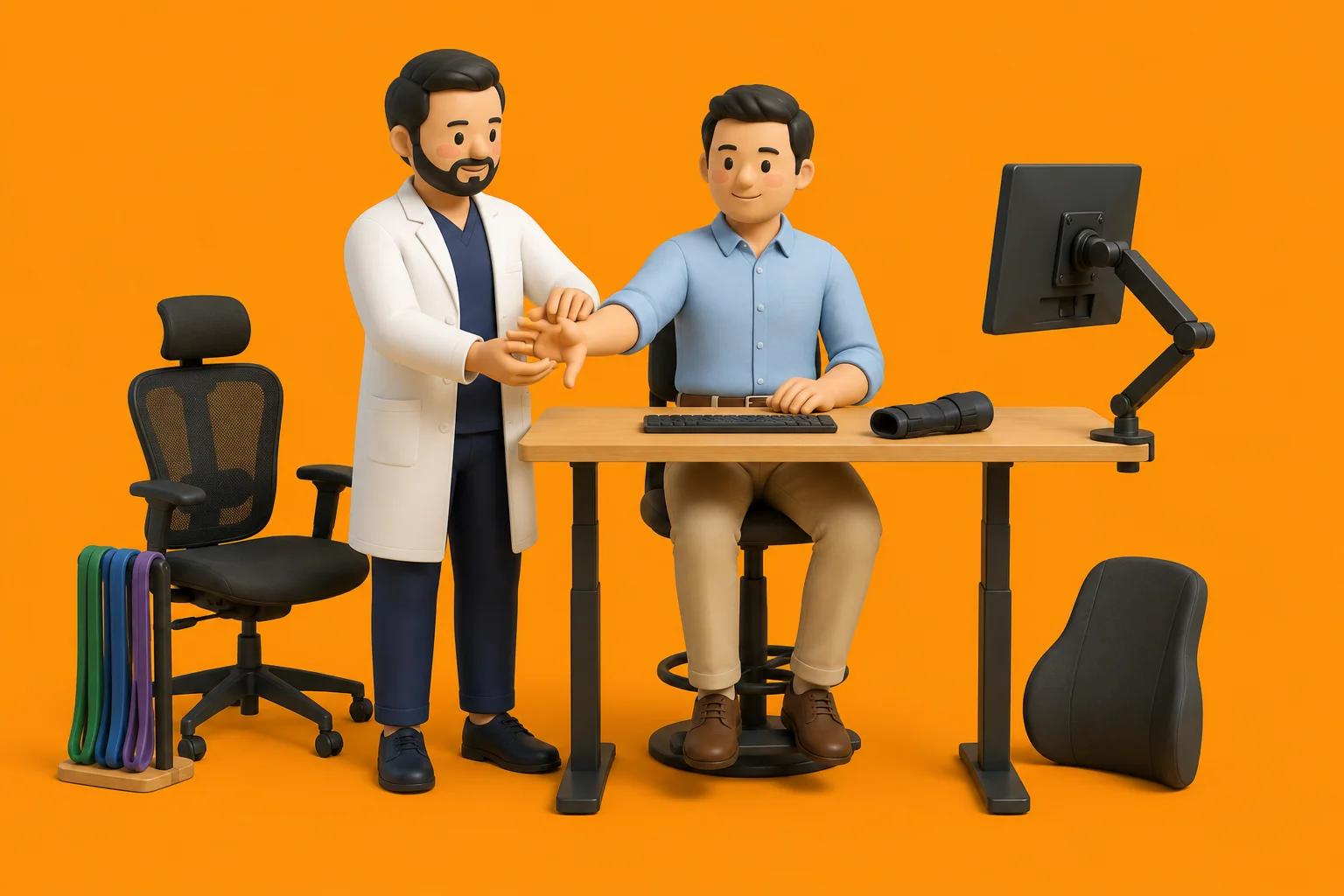
Industrial & Occupational Physiotherapy
Manual Handling Injuries is assessed and treated under Industrial & Occupational physiotherapy (workplace injuries). Repetitive strain, ergonomic assessment, and return-to-work rehabilitation.
How physiotherapy helps
- Treatment for the injured area
- Safe lifting and manual handling training
- Graded strengthening for work tasks
- Return-to-work planning
- Ergonomic and workplace advice
Common signs
- Sudden or building pain after lifting or carrying
- Back or shoulder pain
- Muscle strain or spasm
- Stiffness
- Weakness with the task
In-clinic vs home visit physiotherapy
| What to compare | In-clinic | Home visit |
|---|---|---|
| Indicative fee band | BookPhysio guide: ₹300 to ₹1,500 a session. This is not a measured average; check the physiotherapist's current profile for the exact fee. | BookPhysio guide: ₹400 to ₹2,000 a session. This is not a measured average; check the physiotherapist's current profile for the exact home-visit fee. |
| Exact fee | Set by each physiotherapist and shown on their profile when an in-clinic fee is listed | Set separately for home visits and shown on their profile when a home-visit fee is listed |
| Decision factors | A clinic setting may offer equipment or facilities that are useful for some sessions. Ask the physiotherapist what is available and appropriate for your appointment. | A home visit can reduce travel when mobility, transport, or convenience matters. Confirm the service area and whether a home visit is appropriate with the physiotherapist. |
| Equipment availability | Varies by clinic and physiotherapist. Ask what equipment or facilities are available. | Varies by physiotherapist and appointment. Ask what they bring for a home visit. |
| Travel | You travel to the clinic | The physiotherapist comes to you |
| Finding an option | Choose an in-clinic option only when the physiotherapist lists it on their profile | Use the home-visit filter and confirm the physiotherapist covers your area |
Clinical rehabilitation framework
Evidence-informed clinical progression and starter exercise targets for manual handling injuries.
Clinical progression criteria & key observations
- Most acute non-specific low back pain improves substantially within 6 weeks with advice and activity; escalate only on red flags or a worsening neuro deficit
- Leg pain below the knee with a positive straight-leg raise points to radicular involvement; track the neuro screen every visit
- Stenosis pattern: older adult, leg symptoms on walking, eased by sitting or flexion (shopping-trolley sign)
Starter exercise targets & evidence-based dosage
When to seek urgent care
Physiotherapy is safe for most people. See a doctor urgently if you have any of these.
- Loss of bladder or bowel control, or saddle numbness
- Severe pain or inability to move
- Numbness or weakness in a limb
Seek urgent medical care first. Physiotherapy comes after, when it is safe.
Frequently asked questions
How soon can I return to work after a lifting injury?
Can I get physiotherapy for manual handling injury at home?
How much does physiotherapy for manual handling injury cost in India?
Related conditions & care

Clinical guides & articles for manual handling injuries
Evidence-informed articles, recovery timelines, and home care advice from our clinical library.
Deadlift Lower Back Pain: Disc Herniation vs Facet Joint Strain Assessment
Sharp lower back pain after heavy deadlifts requires accurate diagnosis. Discover whether your pain is discogenic or facet joint strain, and rebuild safe lifting mechanics.
How to Register a Physiotherapy Clinic in India: Step-by-Step NCAHP & CEA Guide
Starting an independent physiotherapy clinic in India requires navigating statutory regulations across the Clinical Establishments Act, NCAHP compliance, municipal trade licensing, biomedical waste disposal, and fire safety. Here is your step-by-step launch roadmap.
Female Physiotherapist Home Visit Safety Protocols: Operating SOP for Indian Cities
Delivering home physiotherapy in Indian cities offers immense clinical satisfaction and flexible earnings, but personal safety is non-negotiable. Here is the operational safety handbook covering intake vetting, live tracking, environmental control, and emergency protocols.
Sweeping and Mopping (Jhadu-Pocha) Lower Back Pain: Lumbar Biomechanics and Ergonomic Physio in India
Bending double with a traditional short jhadu spikes disc pressure by 220%, causing herniations. Discover ergonomic mopping tools and spinal stabilizing physiotherapy.
Search for a physiotherapist
Keep manual handling injuries as your search context, then review each current profile for specialties, listed conditions, visit types, fee and availability before you request an appointment.
This page is for general education and booking guidance. It does not diagnose your condition or replace medical care.
If your symptoms are severe, sudden, or getting worse, seek urgent medical care first. The same applies with fever, chest pain, breathlessness, fainting, new weakness, loss of bladder or bowel control, or unexplained bleeding.
Always consult a qualified physiotherapist or doctor about your condition.