
BPPV Recurrence: Vitamin D Deficiency & Bone Mineral Density
In short
Up to 50 percent of BPPV cases recur within five years. Discover how correcting vitamin D deficiency and osteopenia cuts recurrence rates in half.
In this guide (6 sections)
Benign paroxysmal positional vertigo is renowned for its high recurrence rate: clinical data indicates that 15 to 20 percent of patients experience a recurrence within one year, climbing to over 50 percent at five years. Over the past decade, landmark biochemical and neuro-otological research has identified a profound pathophysiological link between recurrent BPPV, systemic vitamin D deficiency, and reduced bone mineral density (osteopenia and osteoporosis). In India, where over 70 to 80 percent of the population has sub-optimal serum vitamin D levels despite abundant sunshine, identifying and correcting this metabolic vulnerability cuts BPPV recurrence rates nearly in half.
Indian Sun Exposure Realities, Diet, and Skin Pigmentation
The high prevalence of vitamin D deficiency across urban and rural India is driven by multiple cultural and biological factors. High epidermal melanin content significantly reduces cutaneous synthesis of vitamin D3 from solar ultraviolet B radiation. Furthermore, long indoor working hours in air-conditioned offices, widespread avoidance of direct sun exposure due to heat, and conservative clothing styles limit skin exposure. In traditional vegetarian diets, natural dietary sources of vitamin D are scarce, leading to chronic subclinical deficiency that undermines otoconia integrity.
Otoconia Biomineralization, Calcite Dissolution, and Utricular Matrix
Otoconia are biological nanocomposites consisting of an organic protein core (predominantly otolin-1 and otoconin-90) embedded with inorganic calcium carbonate crystals in the calcite polymorph. Epithelial cells of the inner ear express vitamin D receptors and calcium-binding proteins (calbindin-D28k and plasma membrane Ca2+-ATPase) that actively regulate the local calcium concentration in endolymph fluid. When serum 25-hydroxyvitamin D drops below 20 ng/mL, local calcium homeostasis fails. Endolymphatic calcium drops, causing dissolution and detachment of otoconia from the utricular gelatinous matrix, precipitating recurrent canalithiasis.
In every patient presenting with recurrent BPPV (two or more episodes within 12 months), recommend screening serum 25-hydroxyvitamin D levels and evaluating bone mineral density via dual-energy X-ray absorptiometry (DEXA), particularly in postmenopausal women and older men.
Preventive Nutrition and Vestibular Health Integration
Groundbreaking randomized controlled trials (including a landmark trial published in Neurology) demonstrated that patients with recurrent BPPV who received oral vitamin D (400 to 1,000 IU daily) and calcium supplementation (500 mg daily) had a 24 to 45 percent reduction in annual recurrence rates compared to untreated controls. Physiotherapists incorporate metabolic education into vestibular care, advising patients to coordinate medical supplementation with their physicians while maintaining active balance exercises.
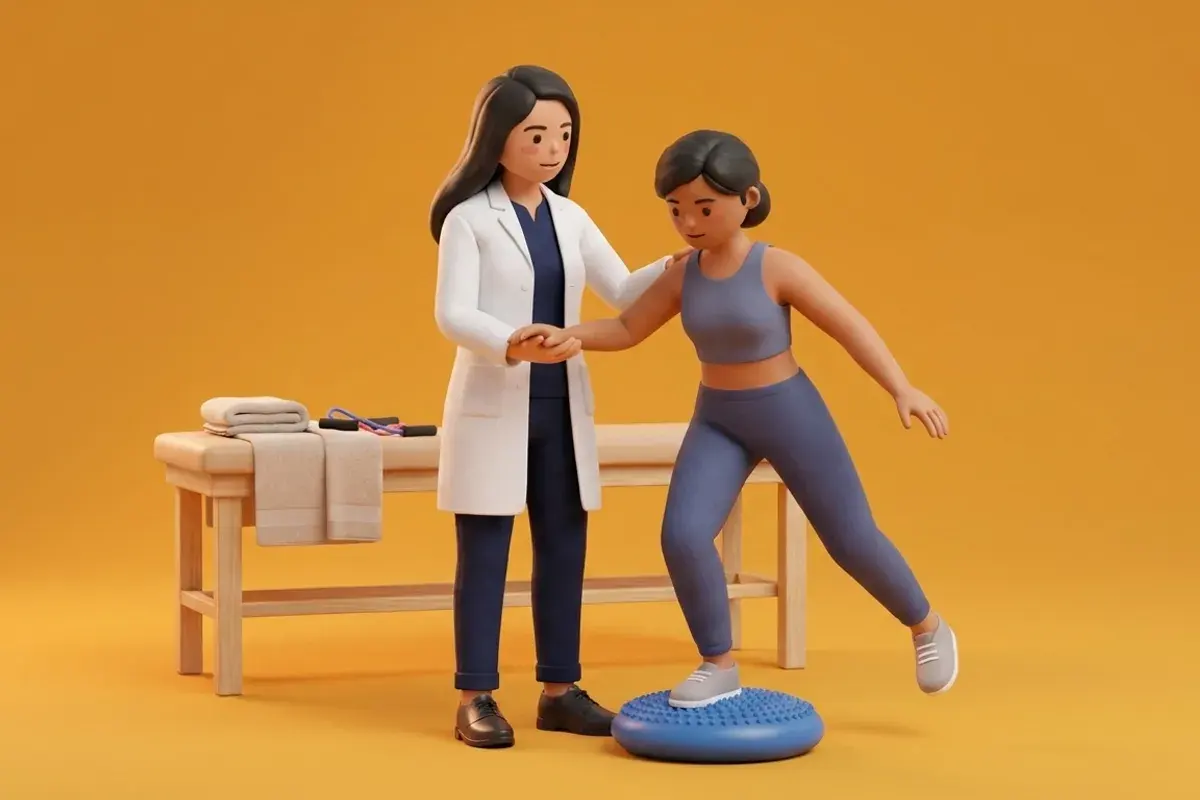
Post-Recurrence Static Single-Leg Grounding and Postural Drill
Objective: Maintain otolith organ calibration and dynamic postural stability between episodes
- 1Stand barefoot in a corner or alongside a sturdy table for light touch safety.
- 2Fix your eyes on a wall target straight ahead at eye level.
- 3Slowly lift your left foot 5 centimetres off the ground, balancing firmly on your right foot.
- 4Hold the single-leg stance for 15 seconds while breathing smoothly, feeling your ankle muscles micro-adjust.
- 5Lower your foot, rest for 5 seconds, and repeat by balancing on the left foot for 15 seconds.
Vitamin D Status and Annual BPPV Recurrence Risk
| Serum 25(OH)D Category | Serum Level Range | Inner Ear Homeostasis Status | Annual Recurrence Risk | Clinical Recommendation |
|---|---|---|---|---|
| Severely Deficient | Less than 10 ng/mL | Severe endolymphatic calcium dysregulation; rapid otoconia detachment | High: > 45 percent annual recurrence | Immediate medical replenishment (60,000 IU weekly for 8 weeks) |
| Insufficient | 10 to 20 ng/mL | Sub-optimal otoconia crystallization; fragile utricular matrix | Moderate: 25 to 40 percent annual recurrence | Daily medical supplementation (1,000 to 2,000 IU daily) |
| Optimal / Repleted | Greater than 30 ng/mL | Healthy calcite mineralization and intact otolin-1 matrix | Low: < 15 percent annual recurrence | Maintenance dietary support and safe morning sun exposure |
Red Flags Demanding Comprehensive Medical Investigation
If recurrent positional vertigo is accompanied by progressive unilateral hearing loss, asymmetric tinnitus, drop attacks, or persistent headache, do not assume simple recurrent BPPV; escalate for neuro-otologic imaging to rule out acoustic neuroma or endolymphatic hydrops.
Frequently Asked Questions
Can taking vitamin D supplements cure my BPPV completely?
Vitamin D supplementation does not replace the Epley maneuver during an active attack, but it acts as a powerful preventive measure. Clinical studies prove that keeping your vitamin D levels above 30 ng/mL strengthens inner ear crystals and cuts future recurrences nearly in half.
How do I consult an expert vestibular physiotherapist on BookPhysio.in?
BookPhysio.in connects you directly with verified vestibular and musculoskeletal physiotherapists across India. Under the NCAHP Act 2021, you consult directly without needing a hospital referral, paying transparently per session without advance package locks.
Related condition guides

Related recovery guides & articles
BookPhysio.in Editorial Team
The BookPhysio.in editorial team writes and maintains this content, checking it against reliable clinical sources. Content follows our medical review policy: general information only, and no page claims a clinical review until a named registered physiotherapist has signed it off.
Read our medical review policy