
Aromatase Inhibitor-Induced Arthralgia (AIAA): Estrogen Depletion and Joint Pain Mitigation
In short
Aromatase inhibitor arthralgia causes severe morning joint stiffness and medication discontinuation; structured aerobic and resistance exercise cuts joint pain by over 30%.
In this guide (4 sections)
Systemic Estrogen Deprivation and Synovial Nociception in AIAA
Aromatase Inhibitors (AIs) - non-steroidal agents (anastrozole, letrozole) and the steroidal inactivator exemestane - represent the gold-standard adjuvant endocrine therapy for postmenopausal women with hormone receptor-positive (ER+/PR+) breast cancer, reducing recurrence and mortality by over 30% to 40%. AIs work by inhibiting the cytochrome P450 aromatase enzyme, which catalyzes the peripheral conversion of adrenal androgens to estrogens in adipose and muscle tissue, reducing circulating estradiol to near-zero levels.
However, profound systemic estrogen deprivation triggers Aromatase Inhibitor-Associated Arthralgia (AIAA), developing in 50% to 70% of treated women. Estrogen exerts essential anti-nociceptive and anti-inflammatory effects within synovial joints, cartilage, and tendon sheaths. Depletion of estrogen upregulates pro-inflammatory cytokines, sensitizes primary articular nociceptors, and induces severe symmetric joint pain, carpal tunnel tenosynovitis, and crippling morning stiffness (frequently lasting > 1 hour) in the hands, wrists, knees, and feet, leading to alarming medication non-adherence rates of 20% to 30%.
Standardized Clinical Outcome Measures and Arthralgia Staging
| Clinical Assessment Battery | Evaluation Methodology | Pathognomonic Finding in AIAA | Rehabilitation & Pain Mitigation Strategy | |
|---|---|---|---|---|
| Brief Pain Inventory - Worst Pain | 11-point numerical rating scale (0 to 10) tracking worst joint pain | Score >= 6/10; symmetric involvement of hands, wrists, knees | STRUCTURED AEROBIC + RESISTANCE TRAINING (HOPE trial protocol) | |
| Morning Stiffness Duration (Minutes) | Self-reported minutes of joint gel and stiffness upon waking | Morning stiffness > 45 to 60 minutes (resembles rheumatoid arthritis) | Morning warm shower; active joint range of motion prior to rising | |
| Grip Strength Dynamometry (Jamar) | Maximal isometric hand grip strength in kilograms | Dramatic drop in grip strength (> 30% reduction from baseline) | Gentle therapeutic hand putty, warm wax baths, grip exercises | |
| WOMAC Osteoarthritis Index | Standard 24-item score tracking knee/hip pain, stiffness, function | Significant functional impairment in walking, stair climbing, rising | Low-impact stationary cycling and aquatic hydrotherapy | |
| Medication Adherence Tracking | Self-reported compliance with daily oral aromatase inhibitor | High risk of skipping pills or permanently stopping life-saving therapy | Exercise improves adherence by cutting joint pain by 30% to 40% |
Standardized Clinical Rehabilitation Protocols: The HOPE Trial Protocol
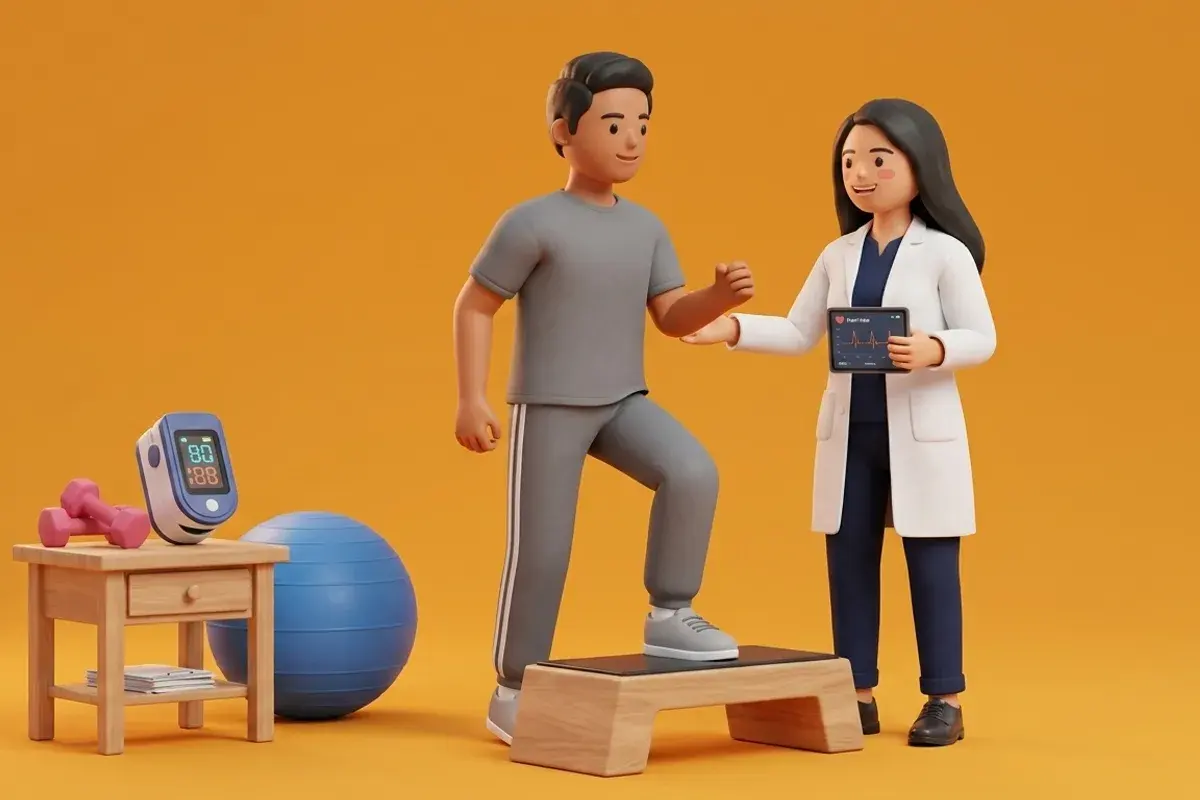
- The Evidence-Based HOPE Trial Exercise Protocol: Prescribe 150 minutes of moderate-intensity aerobic exercise (brisk walking, cycling) combined with supervised resistance training twice weekly; the landmark HOPE (Hormones and Physical Exercise) randomized trial proved that regular exercise reduces AI-induced joint pain by over 30%, whereas sedentary patients experienced worsening pain.
- Warm-Water Aquatic Therapy for Morning Gelling: Incorporate warm-water hydrotherapy (33 to 34 degrees Celsius); water buoyancy reduces joint compressive forces by 80% while gentle warmth decreases synovial fluid viscosity, rapidly breaking morning joint stiffness without mechanical joint irritation.
- Gentle Intrinsic Hand and Finger Mobilization: Prescribe daily hand exercises using soft silicone therapy putty (squeezing, rolling, finger abduction against resistance); tenosynovial thickening around the carpal tunnel is frequent in AIAA; active tendon glides prevent median nerve compression.
Frequently Asked Questions
Why do my hands and knees feel like I suddenly have severe arthritis after starting hormone pills?
Aromatase inhibitor pills (like anastrozole or letrozole) work by eliminating estrogen from your body to stop breast cancer from returning. However, estrogen is a natural joint lubricant and pain soother. Without estrogen, your joints, tendons, and ligaments become dry, stiff, and sensitive, causing arthritis-like aches and morning stiffness.
Should I rest my joints when they hurt from my cancer medication?
Actually, resting makes it worse! In medical trials, women who stayed still had more pain, while women who did regular moderate walking and light strength training reduced their joint pain by over 30%. Moving gently keeps joint fluids warm and circulating.
How long will this joint pain last and can I stop taking my cancer pill?
You should never stop your medication without speaking to your oncologist, as these pills protect you from cancer recurrence. Joint pain is usually worst in the first 3 to 6 months and then gradually stabilizes. Daily exercise, warm showers in the morning, and physiotherapy make the symptoms much easier to manage.
Related condition guides


Related recovery guides & articles
BookPhysio.in Editorial Team
The BookPhysio.in editorial team writes and maintains this content, checking it against reliable clinical sources. Content follows our medical review policy: general information only, and no page claims a clinical review until a named registered physiotherapist has signed it off.
Read our medical review policy