
Complex Regional Pain Syndrome (CRPS Type 1) Post-Wrist Fracture: Budapest Criteria, Mirror Therapy, and Stress Loading
In short
Disproportionate burning pain, swelling, and autonomic color shifts following a wrist fracture signal CRPS; early stress loading and graded mirror therapy restore cortical processing.
In this guide (4 sections)
The Pathophysiology of Post-Traumatic Reflex Sympathetic Dystrophy (CRPS 1)
Complex Regional Pain Syndrome Type 1 (CRPS 1, historically termed Reflex Sympathetic Dystrophy or Sudeck's atrophy) is an agonizing neuro-inflammatory condition that develops following minor trauma or fracture, most commonly occurring after distal radius fractures (affecting 4% to 7% of patients). Unlike CRPS Type 2 (causalgia), CRPS Type 1 occurs in the absence of a demonstrable major peripheral nerve trunk lesion.
The pathophysiology involves a three-pronged neuro-immune cascade: persistent neurogenic inflammation (excessive release of substance P and calcitonin gene-related peptide [CGRP]), autonomic sympathetic dysregulation (vasomotor spasm, mottling, hyperhidrosis), and maladaptive neuroplastic reorganization within the primary somatosensory cortex (cortical smudging and body schema shrinkage). Left unaddressed, patients develop severe joint contractures, patchy osteopenia, and irreversible hand dystonia.
The Budapest Diagnostic Criteria and Clinical Features Matrix
| Budapest Category | Clinical Signs (Observed by Clinician) | Clinical Symptoms (Reported by Patient) | Rehabilitation & Autonomic Directive | |
|---|---|---|---|---|
| 1. Sensory Category | Evidence of hyperalgesia (pinprick) and/or allodynia (light touch) | Severe burning pain disproportionate to the inciting wrist trauma | Graded tactile desensitization with contrasting fabrics and fluids | |
| 2. Vasomotor Category | Objective temperature asymmetry (> 1°C difference); skin color asymmetry | Reports of skin changing from bright red to dusky purple or mottled white | Contrast hydrotherapy; autonomic breathing; avoid ice packs | |
| 3. Sudomotor / Edema | Objective pitting or non-pitting edema; asymmetric sweating (hyperhidrosis) | Reports of hand suddenly swelling or palm sweating excessively | Retrograde lymphatic massage; elastic compression wraps; high elevation | |
| 4. Motor / Trophic | Decreased active ROM; tremor, dystonia; trophic changes in nails and hair | Hand feels stiff, weak, tremor, rapid nail growth or brittle ridges | STRESS LOADING PROTOCOL: Active scrubbing and carrying; mirror therapy |
Standardized Clinical Rehabilitation Protocols: Stress Loading and Mirror Therapy
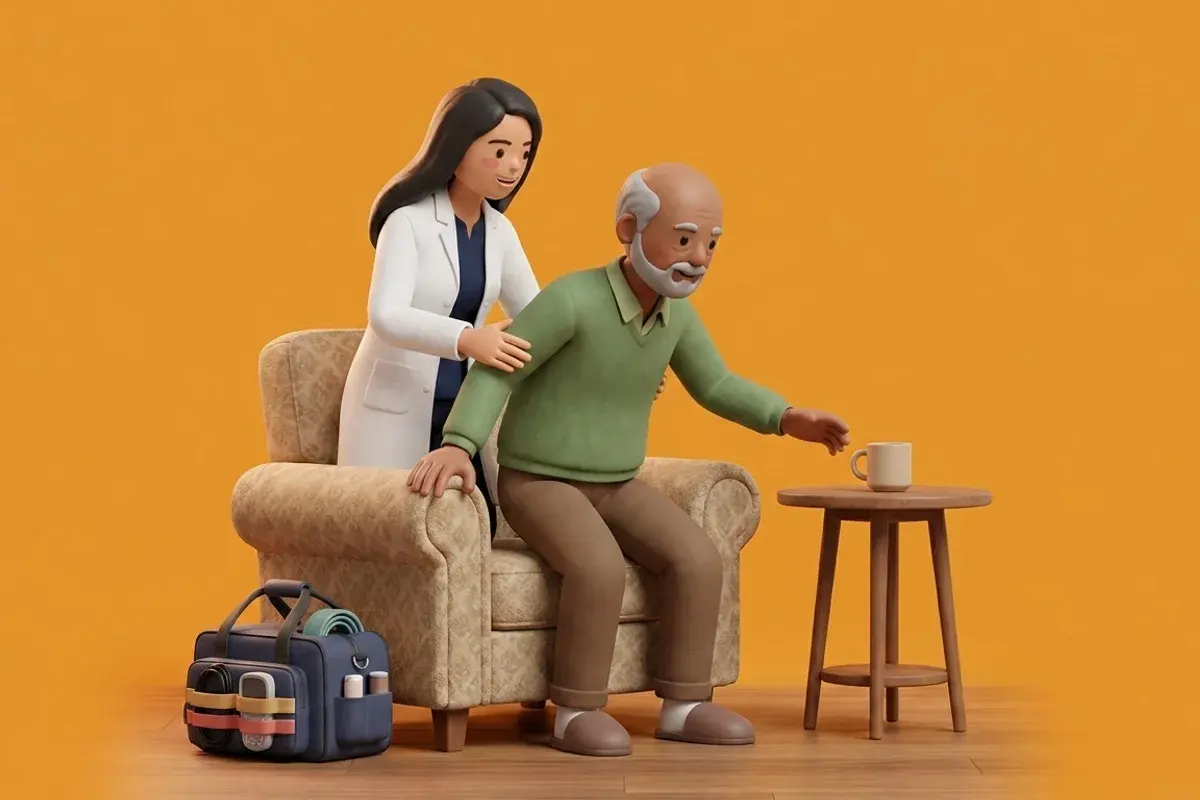
- Watson's Stress Loading Program (Scrubbing and Carrying): Prescribe active scrubbing: patient kneels and scrubs a bristle brush across a wooden board for 3 to 5 minutes 3 times daily, bearing steady axial weight through the extended palm; follow with carrying: carry a 1 to 2 kg weighted briefcase or bag with the arm hanging at the side, stimulating mechanoreceptors to downregulate sympathetic tone.
- Graded Motor Imagery (GMI) and Mirror Box Therapy: Progress systematically through the 3 phases of GMI: 1) Left/Right laterality recognition using flashcards (recognizing hand orientations > 80% accuracy with latency < 1.6s), 2) Explicit motor imagery (imagining smooth hand movements without muscle contraction), and 3) Mirror therapy using a mirror box to reflect the healthy moving hand.
- Strict Avoidance of Immobilization and Aggressive Passive Forcing: Prohibit aggressive, painful passive joint stretching and casting; high nociceptive spikes exacerbate central sympathetic outflow; movements must remain patient-controlled, rhythmic, and functionally integrated.
Frequently Asked Questions
Why is my hand burning like it is on fire and turning purple weeks after a simple wrist fracture?
This is the classic presentation of CRPS Type 1. Your body's nervous system and immune system have over-reacted to the fracture. The nerves that control your blood vessels have locked up, causing your hand to swell, change color from pale to purple, and send intense burning alarm signals to your brain.
What is the 'scrub and carry' exercise, and why does pushing on a brush help?
The stress loading program (scrubbing a brush on a table and carrying a light bag) sends firm, steady pressure signals deep into your joint receptors. This steady pressure resets your overloaded nervous system, helping to turn off the burning pain and restore normal blood flow.
Should I put ice on my burning, swollen CRPS hand?
No! Ice is strictly contraindicated in CRPS. Your blood vessels are already spasming and overly sensitive to cold. Putting ice on a CRPS hand can trigger an extreme pain flare and worsen the nerve sensitivity. Gentle warmth and contrast baths are much safer.
Related condition guides


Related recovery guides & articles
BookPhysio.in Editorial Team
The BookPhysio.in editorial team writes and maintains this content, checking it against reliable clinical sources. Content follows our medical review policy: general information only, and no page claims a clinical review until a named registered physiotherapist has signed it off.
Read our medical review policy