
Direct-Access Physiotherapy for Groin Pain under the NCAHP Act 2021 in India
In short
Explore how India landmark NCAHP Act 2021 empowers patients with direct access to autonomous registered physiotherapists for early groin injury evaluation.
In this guide (4 sections)
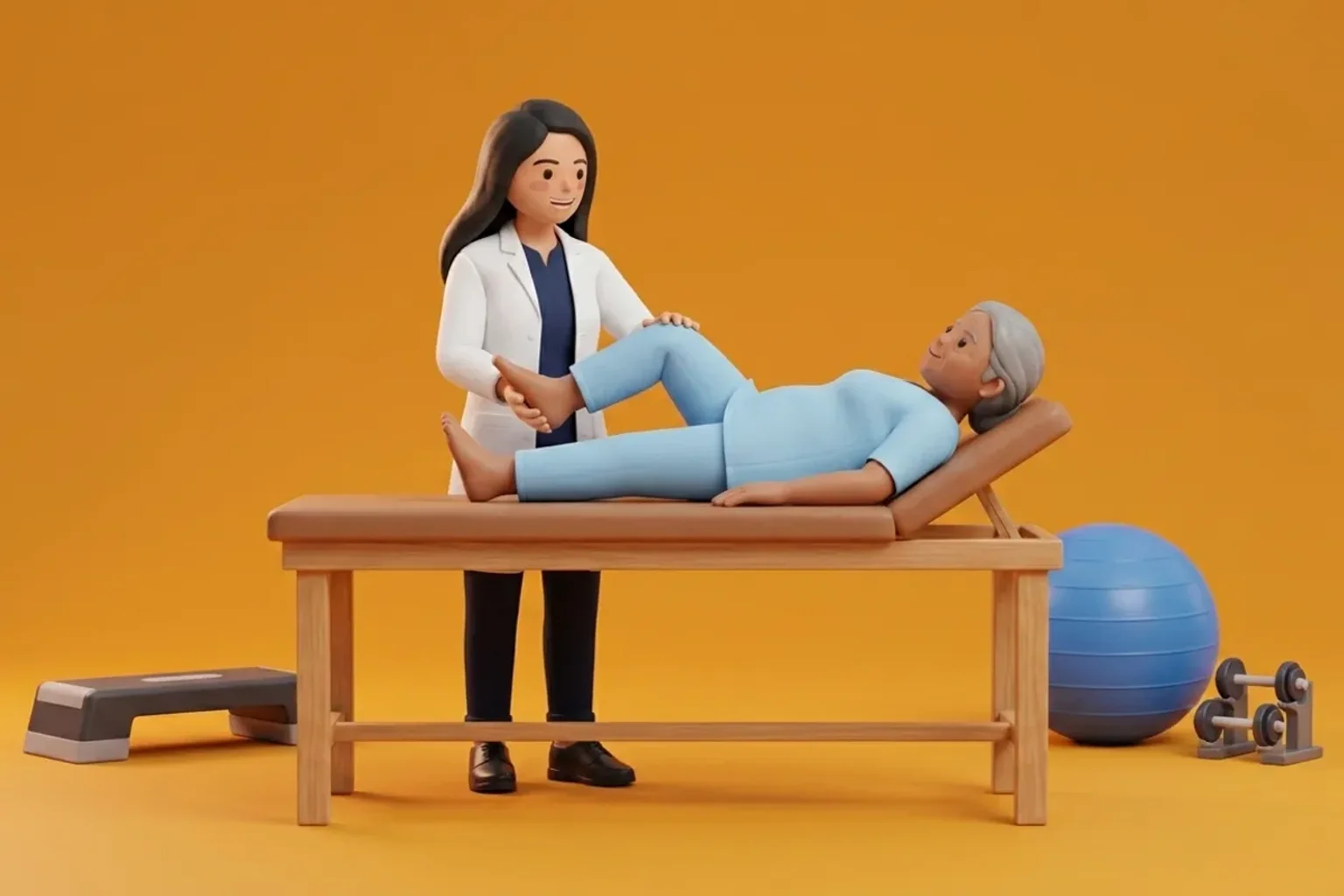
For decades, patients suffering from acute adductor strains, athletic pubalgia, and sports hernias across India faced significant structural delays in accessing timely care, often believing they required a formal medical doctor prescription before consulting a physiotherapist. This outdated barrier was permanently dismantled by the Parliament of India through the enactment of the landmark National Commission for Allied and Healthcare Professions (NCAHP) Act 2021. Under this progressive legislation, physiotherapy is legally recognized as an independent, autonomous healthcare profession. Registered physiotherapists in India are statutorily recognized as primary-contact clinicians authorized to assess, diagnose, triage, and treat musculoskeletal conditions without requiring a physician referral. For athletes, manual workers, and active individuals, direct access enables immediate expert evaluation, preventing acute tears from deteriorating into chronic enthesopathy.
Transforming Patient Journeys Across Indian Cities and Rural Communities
In India, the practical impact of direct-access physiotherapy under the NCAHP Act 2021 is profound. Historically, an injured football player or manual laborer with severe groin pain would wait in crowded hospital outpatient queues for a general practitioner, undergo generic rest advice and painkillers for weeks, and only receive a physiotherapy referral after months of clinical stagnation. With direct access, an athlete who pulls an adductor on a Sunday morning maidan match can consult an autonomous registered physiotherapist on Monday morning. In urban centers like Mumbai, Bengaluru, Delhi, Hyderabad, and Kolkata, as well as Tier-2 and Tier-3 towns, direct access saves vital time, reduces out-of-pocket medical expenses, and eliminates unnecessary pharmacological delays.
Early Intervention Biology: Preventing Tendinosis, Fibrosis, and Central Sensitization
The medical justification for immediate, direct-access physiotherapy is grounded in the biological timeline of soft tissue healing. Following an acute adductor longus strain, the initial forty-eight to seventy-two hours represent an acute inflammatory phase characterized by hematoma formation and cellular infiltration. If a patient is prescribed total immobilization and prolonged non-steroidal anti-inflammatory drugs (NSAIDs) during this phase, tenocyte signaling is suppressed, leading to disorganized scar tissue and severe muscle atrophy. Immediate direct consultation allows a skilled physiotherapist to implement early protected mobilization, optimal mechanical loading, and targeted isometric contractions. Early loading stimulates mechanotransduction pathways, aligns collagen fibrils parallel to physiological stress lines, and prevents secondary central pain sensitization.
Autonomous Primary Contact: Diagnostic Triage, Differential Screening, and Safety
Under the NCAHP Act 2021, autonomous physiotherapy practice carries rigorous diagnostic responsibilities. As primary-contact practitioners, physiotherapists perform comprehensive clinical triage, systematically screening for systemic red flags such as pubic osteomyelitis, apophyseal avulsion fractures, femoral neck stress fractures, and pelvic malignancies. Using evidence-based examination batteries, including the squeeze test at multiple knee angles, palpation mapping of the anterior pubic plate, and specialized hip joint impingement maneuvers, physiotherapists accurately categorize groin pain into adductor-related, pubic-related, inguinal-related, or hip-related conditions. If red flags or structural surgical tears are identified, the autonomous physiotherapist immediately coordinates referral to orthopaedic or sports medicine specialists, ensuring a smooth continuum of patient care.
First-Contact Protected Isometric Squeeze Drill for Acute Groin Evaluation
Objective: Safely determine initial adductor load tolerance and establish baseline clinical pain-free parameters
- 1Lie comfortably on your back on a firm examination plinth or home mattress with knees bent to forty-five degrees and feet flat.
- 2Place your own loosely clenched fist or a soft rolled towel between your knees, keeping your spine in neutral.
- 3Very gently press your knees inward against your fist to roughly twenty to thirty percent of your maximum effort.
- 4Note whether the contraction produces any pain in your inner thigh or pubic bone, holding the gentle press for five seconds.
- 5Release slowly and communicate your pain score (0 to 10) to your direct-access registered physiotherapist.
| Healthcare Dimension | Historical Referral Model (Pre-2021) | Direct-Access Model under NCAHP Act 2021 |
|---|---|---|
| Access to Treatment | Mandatory prior physician consultation; typical 3 to 6-week administrative delay | Immediate direct access; consultation available within 24 hours of acute injury |
| Diagnostic Responsibility | Physiotherapy treated as technical execution of pre-written doctor prescription | Autonomous primary diagnosis; full differential examination and red flag triage |
| Out-of-Pocket Expense | Multiple consultation fees, unnecessary repeat scans, and prolonged medication courses | Direct fee-for-service with transparent pricing; reduced overall healthcare expenditure |
| Clinical Recovery Timeline | Higher rate of chronic enthesopathy due to prolonged immobilization and delayed loading | Significantly faster return to sport; early mechanotransduction and tissue remodeling |
Under the NCAHP Act 2021, all practicing physiotherapists in India must maintain active registration with their respective State Allied and Healthcare Council or the National Commission. Patients have the legal right to verify their clinician professional registration credentials. Autonomous practice mandates that clinicians strictly practice within evidence-based boundaries, referring patients immediately when red flags, bone fractures, or unresolving pathologies are encountered.
Frequently Asked Questions
Do I need a doctor prescription before booking a physiotherapy session on BookPhysio.in?
No. Under the National Commission for Allied and Healthcare Professions (NCAHP) Act 2021, you do not need a doctor prescription to book or receive physiotherapy. You have the full legal right to consult an autonomous registered physiotherapist directly for comprehensive assessment, clinical diagnosis, and evidence-based rehabilitation.
Do I need a doctor referral to treat groin pain and sports hernia on BookPhysio.in?
BookPhysio.in does not require a doctor referral. Under the National Commission for Allied and Healthcare Professions (NCAHP) Act 2021, patients across India enjoy direct access to autonomous registered physiotherapists. Through BookPhysio.in, you connect directly with verified clinicians and pay per session with transparent fees, completely free from advance package commitments, commission markups, or platform subscription charges.
Related recovery guides & articles
BookPhysio.in Editorial Team
The BookPhysio.in editorial team writes and maintains this content, checking it against reliable clinical sources. Content follows our medical review policy: general information only, and no page claims a clinical review until a named registered physiotherapist has signed it off.
Read our medical review policy