
Direct Access Physiotherapy for Patellofemoral Pain Under the NCAHP Act 2021
In short
Learn your legal rights to direct access physiotherapy under India's NCAHP Act 2021, consulting verified clinicians without a doctor's referral.
In this guide (4 sections)
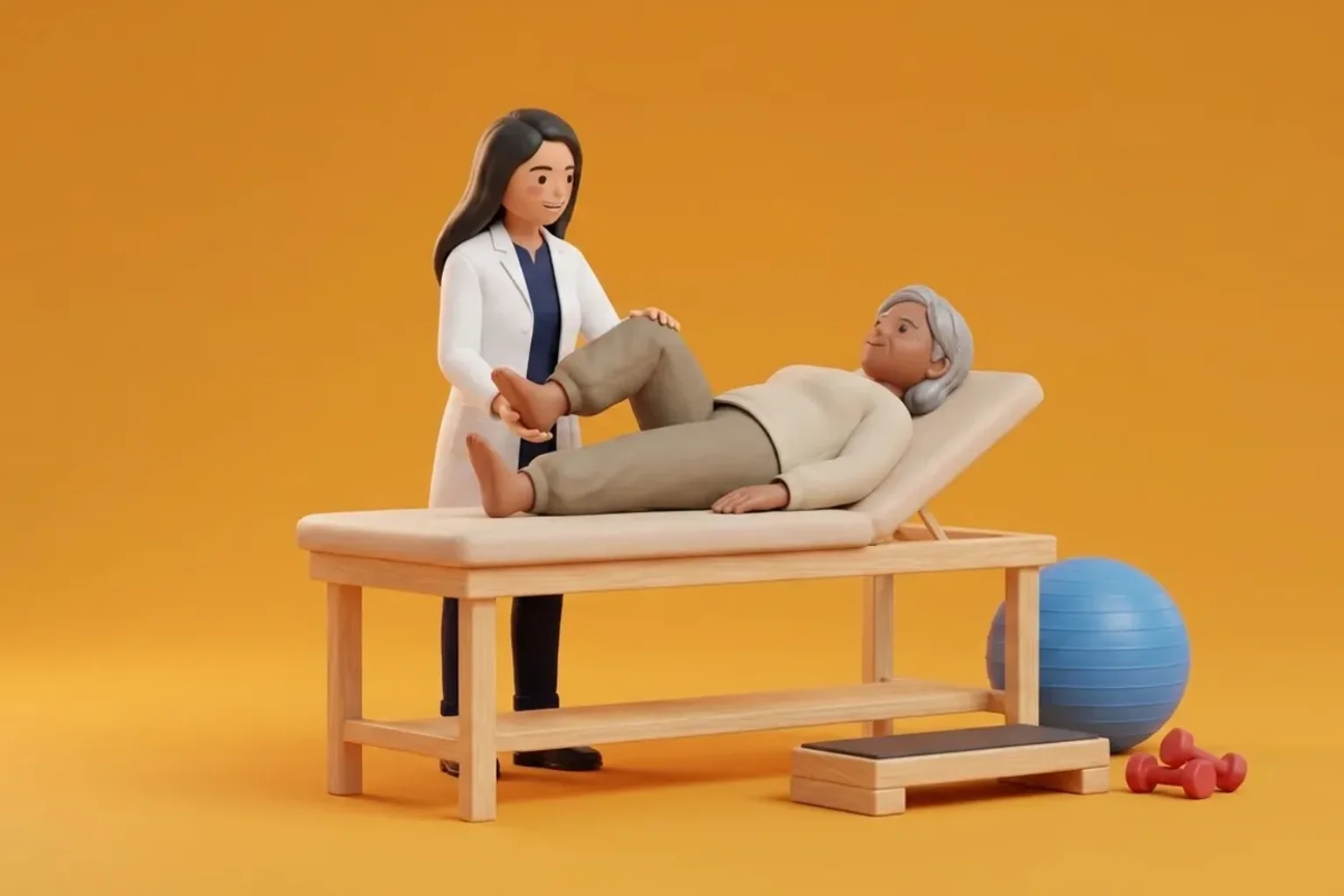
In India, the delivery of musculoskeletal healthcare underwent a historic, transformative legal evolution with the passage of the National Commission for Allied and Healthcare Professions (NCAHP) Act 2021 by the Parliament of India. Prior to this landmark legislation, patients suffering from knee pain frequently navigated a fragmented healthcare system characterized by confusing referral hierarchies, unnecessary administrative delays, and widespread ambiguity regarding the legal status of physiotherapy practitioners. The NCAHP Act 2021 formally established physiotherapy as an independent, autonomous, direct-access healthcare profession across all states and union territories. Under this statute, patients suffering from patellofemoral pain syndrome, chondromalacia patellae, or sports-related knee injuries possess the full legal right to consult a registered, qualified physiotherapist directly as their primary first-contact healthcare practitioner, completely free from the requirement of an advance medical doctor's referral.
Healthcare Access Realities, Eliminating Delays, and Patient Autonomy Across India
For millions of individuals across Indian cities and towns, traditional healthcare pathways often involve exhausting administrative hurdles. When an office worker in Bengaluru or a homemaker in Lucknow develops anterior knee pain, the conventional journey required booking an appointment with a general physician, waiting in crowded hospital outpatient queues, obtaining a formal referral prescription, and enduring delays of weeks before finally receiving active rehabilitation. During this waiting period, patients are frequently prescribed passive pain medications that offer temporary relief while allowing joint deconditioning to progress. Direct access empowers Indian patients to schedule an evaluation with a registered physiotherapist the moment symptoms arise, ensuring rapid clinical intervention, lower overall healthcare expenditure, and faster recovery.
Autonomous Clinical Competencies: Differential Diagnosis and Red Flag Triage
The legal granting of direct access under the NCAHP Act 2021 is founded upon the rigorous educational standards and diagnostic competencies of modern physiotherapists. As autonomous primary-contact clinicians, registered physiotherapists are formally trained to perform comprehensive physical examinations, formulate accurate clinical differential diagnoses, and evaluate lower extremity biomechanics. Crucially, autonomous practice requires mastery of red flag screening. When a patient presents directly with knee pain, the physiotherapist systematically screens for serious medical conditions that mimic patellofemoral disorders, including septic arthritis, bone tumors (such as osteoid osteoma or osteosarcoma), occult fractures, slipped capital femoral epiphysis (SCFE) referring from the hip, and deep vein thrombosis. Any patient exhibiting red flags is triaged immediately to orthopaedic or emergency care.
First-Line Conservative Protocols: Rapid Triage and Evidence-Based Loading
Direct-access clinical pathways for patellofemoral pain allow the immediate implementation of evidence-based conservative care. Upon confirming that the patient is a candidate for rehabilitation, the physiotherapist initiates active management without delay. Initial sessions establish baseline functional scores using the Kujala Anterior Knee Pain Scale, apply corrective patellar taping (McConnell or kinesiology tape) to achieve instant pain relief, and introduce pain-free closed-kinetic-chain quadriceps and hip abductor strengthening drills within the safe zero-to-forty degree arc. Clinicians provide personalized domestic ergonomic guidance tailored to Indian living conditions, modifying floor sitting, low diwan use, and commuting postures. This rapid, proactive intervention arrests chronic pain sensitization before kinesiophobia and compensatory movement patterns become deeply entrenched.
Autonomous Patient-Led Morning Extensor Reactivation Drill
Objective: Establish independent self-management and quadriceps activation as part of autonomous direct-access care
- 1Upon waking in the morning, sit upright in bed with your affected leg extended straight in front of you.
- 2Place a small rolled washcloth directly underneath your ankle to allow your knee to rest in complete neutral extension.
- 3Place your fingertips lightly over your kneecap and the inner bulge of your front thigh (vastus medialis).
- 4Firmly tighten your thigh muscles, pressing the back of your knee downward toward the mattress until your heel lifts slightly.
- 5Hold the strong, smooth isometric contraction for 5 seconds while observing your kneecap draw slightly upward in a straight line.
- 6Completely relax your thigh for 3 seconds, then repeat for 10 smooth, unhurried repetitions before standing up.
| Legal / Clinical Dimension | Traditional Pre-2021 Model | NCAHP Act 2021 Direct-Access Model | Patient Healthcare Benefit |
|---|---|---|---|
| Doctor Referral Requirement | Mandatory medical doctor referral required before therapy | Zero doctor referral required; full direct first-contact access | Eliminates hospital wait times, consultation fees, and treatment delays |
| Professional Autonomy | Physiotherapy viewed as an auxiliary / supportive service | Autonomous, independent healthcare profession under central law | Empowers clinicians to independently evaluate, diagnose, and treat |
| Red Flag Screening Responsibility | Screening expected to be performed solely by referring doctor | Mandatory diagnostic screening and medical triage by physiotherapist | Ensures strict patient safety and rapid specialist referral when needed |
| Standardized National Registry | Fragmented state councils or unverified private associations | Central National Registry and State Allied Healthcare Registers | Guarantees that patients consult only verified, qualified professionals |
Under the ethical code of the NCAHP Act 2021, direct-access physiotherapists must immediately refer patients to specialist medical care upon identifying systemic red flags. These include unexplained fever, unexplained weight loss, bilateral joint polyarthritis (suggestive of rheumatoid arthritis or ankylosing spondylitis), persistent night pain awakening the patient, or severe palpable bony tenderness away from typical retinacular insertion sites.
Frequently Asked Questions
Can I legally book an appointment directly with a physiotherapist in India without seeing an orthopaedic doctor first?
Yes, absolutely. Under the National Commission for Allied and Healthcare Professions (NCAHP) Act 2021 passed by the Parliament of India, you have the full legal right to consult a registered physiotherapist directly as your first-contact healthcare provider. You do not need a doctor's referral prescription. Verified physiotherapists are fully qualified to physically examine your knee, diagnose the cause of your pain, and begin safe, effective treatment immediately.
Do I need a doctor referral to treat patellofemoral pain on BookPhysio.in?
BookPhysio.in does not require a doctor referral. Under the National Commission for Allied and Healthcare Professions (NCAHP) Act 2021, patients across India enjoy direct access to autonomous registered physiotherapists. Through BookPhysio.in, you connect directly with verified clinicians and pay per session with transparent fees, completely free from advance package commitments, commission markups, or platform subscription charges.
Related recovery guides & articles
BookPhysio.in Editorial Team
The BookPhysio.in editorial team writes and maintains this content, checking it against reliable clinical sources. Content follows our medical review policy: general information only, and no page claims a clinical review until a named registered physiotherapist has signed it off.
Read our medical review policy