
Heat Pack Application Over the Suboccipital Triangle: Thermotherapy Hemodynamics and Abortive Headache Relief
In short
Discover how applying moist heat over the suboccipital triangle increases microcirculation, relaxes muscle spasms, and aborts cervicogenic headaches.
In this guide (4 sections)
Thermotherapy, specifically the precise application of superficial moist heat over the suboccipital triangle and posterior cervical spine, represents one of the most accessible, biologically sound, and effective home interventions for aborting acute cervicogenic headache episodes. While migraineurs frequently find that heat aggravates their throbbing cranial vasodilation, cervicogenic headache sufferers consistently report rapid symptom reduction from localized heating. This marked clinical difference stems directly from the underlying pathophysiology: cervicogenic headache is driven by localized musculoskeletal ischemia, hypertonic muscle spasm, and joint stiffness. Elevating local tissue temperature by two to three degrees Celsius induces immediate arteriolar vasodilation, accelerates cellular metabolism, restores microvascular perfusion to starved sarcomeres, and alters thermal mechanoreceptor signaling within the dorsal horn.
AC Office Chills, Auto Commutes, and Evening Spasms
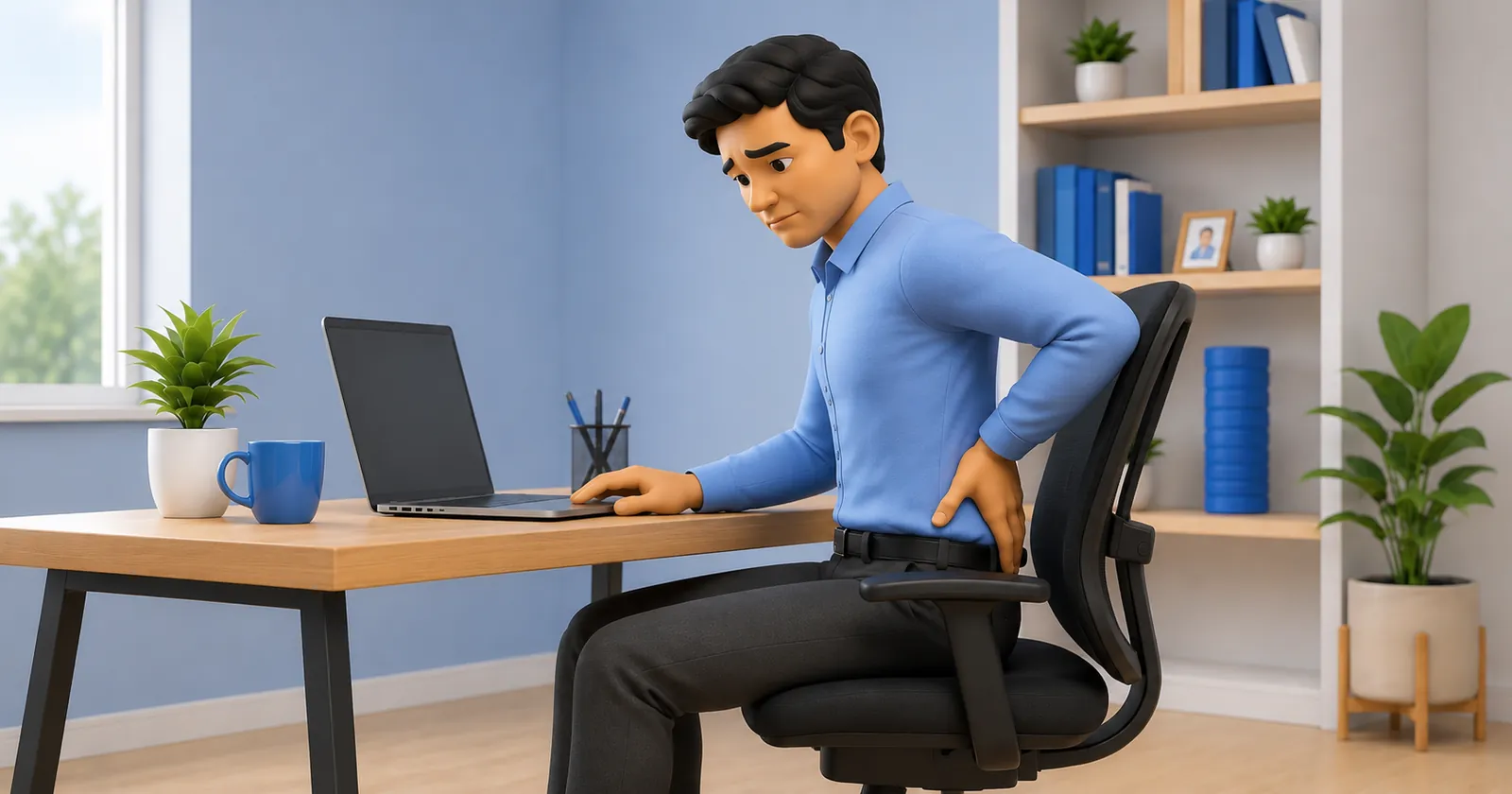
In Indian modern work environments, exposure to aggressive air conditioning frequently precipitates acute suboccipital muscle spasm. Many IT professionals, corporate employees, and hospital staff sit directly beneath commercial air conditioning vents blowing cold air (often set between eighteen and twenty degrees Celsius) straight onto their exposed necks and shoulders throughout eight-hour shifts. This continuous cold draft triggers reflex sympathetic vasoconstriction and sustained muscular shivering. Commuters travelling home in open auto-rickshaws or on motorcycles in cool evening breezes experience further thermal shock. By the time they reach home, the muscles at the base of the skull feel as hard as wood, sending a throbbing ache radiating up into the temples. Applying a soothing moist heat pack provides an immediate thermal counter-stimulus that thaws frozen muscle fibers and soothes irritated nerves.
Hemodynamic Vasodilation and Pain Gating Mechanisms
The physiological benefits of suboccipital thermotherapy operate across vascular, cellular, and neurosensory pathways. Applying moist heat at forty to forty-five degrees Celsius triggers the release of local vasodilators, including nitric oxide, bradykinin, and histamine, from vascular endothelial cells. Local capillary blood flow increases by up to three hundred percent within ten minutes of application. This reactive hyperemic surge rapidly washes out accumulated acidic metabolites, potassium ions, and algogenic neuropeptides (substance P and CGRP) that are trapped within ischemic myofascial trigger points. At the cellular level, thermal elevation increases collagen tissue extensibility by up to twenty-five percent, reducing passive myofascial stiffness across the posterior atlanto-occipital fascia and relieving mechanical traction on the myodural bridge. Neurophysiologically, heat activates cutaneous thermal afferents (C and A-delta fibers), which suppress nociceptive transmission at the spinal cord dorsal horn via presynaptic gating mechanisms.
Thermotherapy Protocols, Moist vs. Dry Heat, and Clinical Sequencing
Clinical efficacy depends heavily on selecting moist heat over dry electric heating pads. Moist heat (such as a hydrothermal hydrocollator pack, gel pack wrapped in a damp towel, or traditional hot water bottle wrapped in moist cotton) penetrates deeper into subcutaneous tissues, elevating intramuscular temperature three times faster than dry heat without dehydrating the skin. The heat pack must be contoured precisely across the suboccipital ridge, spanning from mastoid to mastoid and extending downward to C3. The optimal clinical dosage is fifteen to twenty minutes per application; extending heat beyond thirty minutes can provoke secondary rebound hyperemia and inflammatory edema. Thermotherapy serves as an ideal pre-treatment modality, softening tight muscular tissues immediately prior to performing gentle active craniocervical flexion nodding or self-SNAG mobilizations.
Warmth-Assisted Suboccipital Nod and Release Drill
Objective: Maximize the tissue-softening effects of moist heat by integrating gentle craniocervical movements
- 1Lie comfortably on your back with your knees bent, resting your head directly on your warm, moist heat pack positioned under your upper neck.
- 2Allow the heat to penetrate deeply into your suboccipital muscles for five uninterrupted minutes while taking slow, deep abdominal breaths.
- 3Once your neck feels thoroughly warmed, perform very small, gentle nodding motions, drawing your chin downward toward your throat by half an inch.
- 4Hold each subtle nod for five seconds, feeling the relaxed muscles gently stretch over the warm surface, then return to neutral.
- 5Remain resting on the warm pack for the remainder of the fifteen-minute session, keeping your eyes closed and jaw soft.
| Therapeutic Modality | Depth of Tissue Penetration | Physiological Action on Neck Muscles | Headache Subtype Suitability |
|---|---|---|---|
| Moist Heat Pack (40-45 C) | Deep (up to 2-3 cm into muscle bellies) | Accelerates microvascular washout; relaxes spasm | First-line abortive choice for cervicogenic and tension headache |
| Dry Electric Heating Pad | Superficial (predominantly epidermis and dermis) | Mild superficial warmth; can dry and irritate skin | Acceptable temporary alternative; less effective for deep spasm |
| Ice / Cryotherapy Pack | Deep vasoconstriction and metabolic slowing | Numbs superficial nerves; increases muscle stiffness | Preferred for vascular migraine; often worsens cervicogenic spasm |
| Contrast Hydrotherapy | Alternating thermal vascular pumping | Vigorous vascular flush and sensory modulation | Effective for chronic subacute neck stiffness with headache |
Never apply a boiling-hot heat pack directly to unprotected skin, and never fall asleep resting on an electric heating pad. Patients with diabetic neuropathy, decreased thermal sensation, or acute open wounds must avoid unmonitored heat. If an acute headache is accompanied by fever, neck rigidity preventing chin-to-chest flexion, or mental confusion, heat must not be used; immediate emergency medical evaluation is mandatory.
Frequently Asked Questions
Should I use ice or heat for my neck-related headache?
For true cervicogenic headaches originating from stiff neck joints and muscle spasms, moist heat is almost universally more effective than ice. Ice causes muscles to contract and tighten further, which can worsen suboccipital spasms. Moist heat increases blood flow, softens tight connective tissues, and relieves mechanical compression on the greater occipital nerve, providing rapid relief.
Do I need a doctor referral to treat cervicogenic headaches on BookPhysio.in?
BookPhysio.in does not require a doctor referral. Under the National Commission for Allied and Healthcare Professions (NCAHP) Act 2021, patients across India enjoy direct access to autonomous registered physiotherapists. Through BookPhysio.in, you connect directly with verified clinicians and pay per session with transparent fees, completely free from advance package commitments, commission markups, or platform subscription charges.
Related recovery guides & articles
BookPhysio.in Editorial Team
The BookPhysio.in editorial team writes and maintains this content, checking it against reliable clinical sources. Content follows our medical review policy: general information only, and no page claims a clinical review until a named registered physiotherapist has signed it off.
Read our medical review policy