
Long-Term Achilles Tendon Remodeling and Relapse Prevention Strategies
In short
Discover how to maintain long-term Achilles tendon remodeling and permanently eliminate relapse through weekly heavy slow resistance loading.
In this guide (4 sections)
Discharge from active clinical physiotherapy marks a triumphant milestone in the recovery journey from chronic Achilles tendinopathy, celebrating the elimination of daily pain, the restoration of morning comfort, and the resumption of beloved sports and recreational activities. However, clinical longitudinal studies reveal that without an active maintenance strategy, the rate of tendinopathy recurrence within twelve to twenty-four months ranges between twenty and thirty percent. Tendon tissue remodels at an extraordinarily slow metabolic rate compared to muscle or bone; complete turnover and maturation of collagen cross-links requires twelve to twenty-four months of sustained mechanical stimulation. Ceasing all resistance exercises upon symptom resolution leaves the tendon vulnerable to future overload. Permanent athletic freedom requires transitioning from active rehabilitation to a lifelong maintenance regimen that preserves tendon stiffness and muscular capacity.
Sustaining Healthy Habits in Busy Indian Family and Work Lifestyles
In the daily rhythm of Indian life, maintaining regular exercise routines often clashes with demanding professional schedules, long commuting hours in congested traffic, and extensive family and festive obligations. When heel pain completely disappears, patients frequently abandon their weekly gym workouts or home resistance routines, prioritizing work deadlines or domestic commitments. Furthermore, festive occasions, wedding seasons, and holiday travels often involve sudden changes in footwear, such as wearing traditional flat mojris, unsupportive sandals, or rigid formal dress shoes, accompanied by hours of continuous standing on hard banquet floors. When unconditioned tendons are suddenly subjected to festival dancing, airport sprint connections, or resumed marathon training, relapse can occur rapidly, forcing individuals to restart rehabilitation from the beginning. Integrating a non-negotiable weekly maintenance dose safeguards long-term physical freedom. In addition, family elders, colleagues, and athletic peers across Indian domestic and work environments regularly share practical tips, while adjusting daily household expectations to support steady, patient recovery.
Collagen Maturation, Cross-Linking, and Maintenance of Tendon Stiffness
The scientific rationale for lifelong tendon maintenance is rooted in the biochemistry of collagen maturation. Newly synthesized type I collagen fibrils deposited during active rehabilitation are relatively thin and held together by immature, heat-labile divalent cross-links. Transforming these early fibrils into thick, densely packed collagen bundles linked by mature trivalent pyridinoline cross-links requires persistent cyclical tensile strain over extended timeframes. Furthermore, maintaining optimal tendon stiffness is essential for athletic performance and injury prevention. If all heavy loading stops, tenocytes downregulate procollagen transcription, collagen density gradually declines, and the triceps surae muscles experience subtle atrophy. A single high-intensity loading session per week is sufficient to stimulate tenocyte gene expression, maintaining tendon stiffness and structural integrity and athletic resilience indefinitely throughout adulthood. Furthermore, histopathological studies confirm that continuous mechanical strain stimulates intracellular signaling cascades, encouraging robust tenocyte activity, collagen fascicle reorganization, and long-term biological resilience across the entire tendon matrix.
The Lifelong Maintenance Dose: The Rule of One Heavy Session Per Week
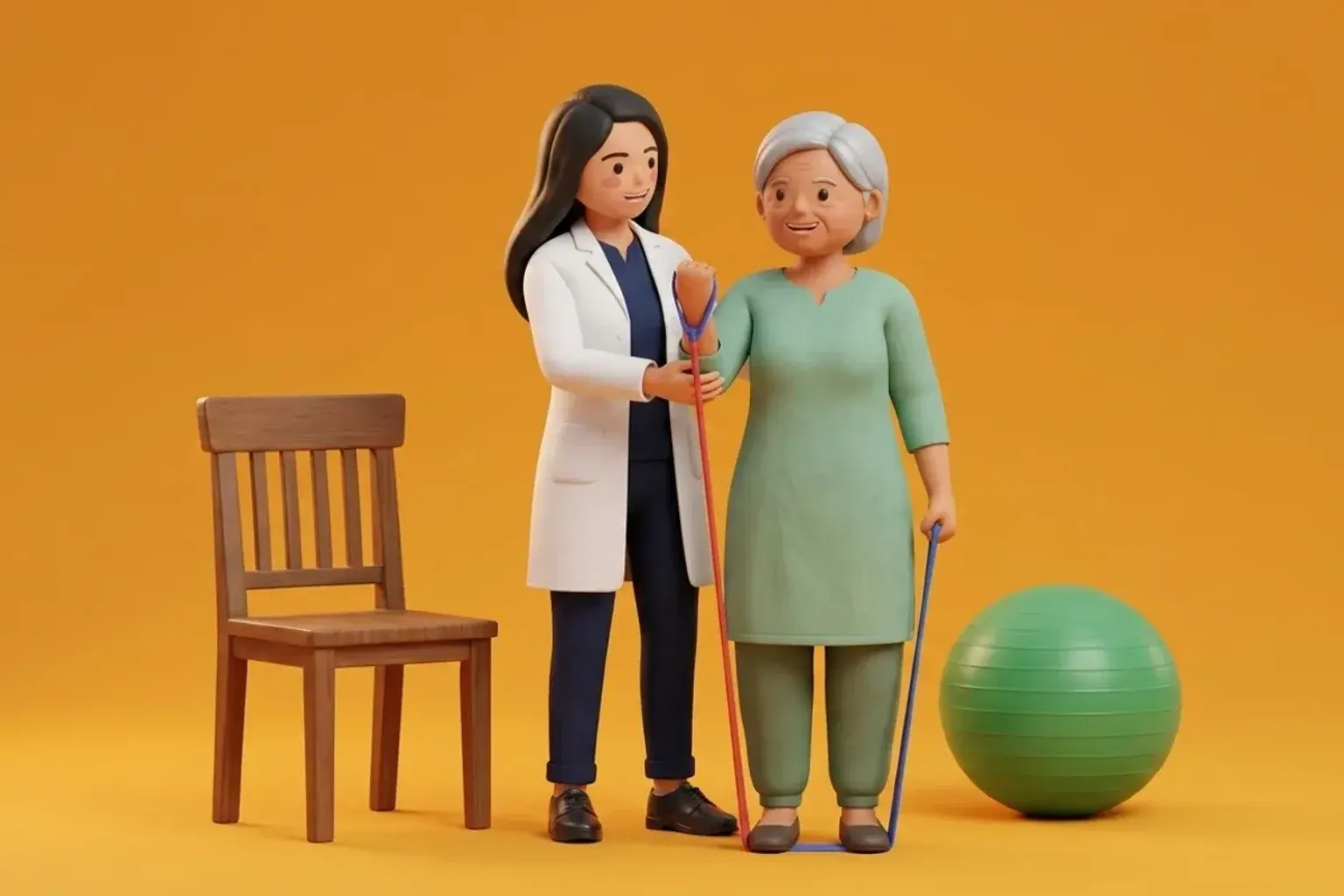
The foundation of permanent relapse prevention is the 'Rule of One': dedicating exactly one session per week to heavy slow resistance calf loading. This maintenance session does not require complex equipment or excessive time; completing 3 to 4 sets of 8 to 10 heavy standing and seated calf raises on a gym machine, or single-leg weighted step drops with a loaded backpack at home, takes under fifteen minutes. In addition to weekly loading, athletes follow the ten percent rule: never increasing running mileage, sprint velocity, or jumping volume by more than ten percent per week. If an unavoidable break in training occurs due to illness, travel, or monsoon weather, resume activities at fifty percent of previous volume and rebuild gradually over four weeks. Finally, maintain daily awareness of the twenty-four-hour response, using morning stiffness as an early-warning signal to adjust training before pain takes hold.
Weekly Heavy Maintenance Single-Leg Calf Raise Protocol
Objective: Preserve high tendon stiffness, collagen cross-linking, and triceps surae capacity with a weekly 15-minute maintenance dose
- 1Select one consistent day each week (such as Wednesday or Sunday) to execute your non-negotiable tendon maintenance session.
- 2Stand on the edge of a sturdy step wearing supportive footwear, holding a dumbbell or wearing a weighted backpack equal to 15-20% of your body weight.
- 3Perform single-leg calf raises over a strict 3-second concentric lift, 1-second top pause, and 3-second eccentric lower.
- 4Complete 3 sets of 8 to 10 repetitions per leg, resting for two full minutes between sets to allow full ATP resynthesis.
- 5Follow immediately with 3 sets of 10 seated calf raises with a heavy weight resting across your knees to maintain soleus capacity.
- 6Log your maintenance session in your training app, verifying that next-morning stiffness remains under five minutes.
| Rehabilitation Factor | Active Rehabilitation Phase (Months 1-3) | Lifelong Maintenance Phase (Month 4 Onward) | Underlying Physiological Objective |
|---|---|---|---|
| Loading Frequency | 3 to 4 loading sessions per week | Exactly 1 heavy loading session per week | Weekly stimulus maintains collagen density and mechanical stiffness |
| Training Progression Rate | Weekly 5-10% load titration based on symptoms | Stable heavy loads; seasonal athletic volume shifts | Prevents unexpected kinetic spikes that trigger relapse |
| Self-Monitoring Bioassay | Daily 24-hour morning first-step stiffness tracking | Weekly check-in or post-event monitoring | Early detection allows immediate load titration before pain becomes chronic |
Conquering chronic Achilles tendinopathy transforms your relationship with your body. Tendons are remarkably adaptable biological structures that thrive on progressive, purposeful mechanical load. By honoring biological recovery timelines, avoiding passive quick-fix traps, and maintaining your weekly heavy loading dose, you can enjoy decades of vibrant, unrestricted running, walking, and athletic movement. Always prioritize comprehensive clinical evaluation by an autonomous registered physiotherapist to protect your tendon health.
Frequently Asked Questions
What should I do immediately if I feel a familiar mild twinge in my Achilles tendon six months from now?
Do not panic or assume you are back at square one. A temporary twinge simply indicates that recent loading exceeded your tendon's immediate threshold. Immediately execute a forty-eight-hour deload: replace running or court sports with low-impact cycling, perform heavy isometric wall holds twice daily to downregulate pain, check your shoes for excessive tread wear, and resume progressive loading once morning stiffness is under five minutes, ensuring a smooth return to full training volume without fear of reinjury.
Do I need a doctor referral to treat Achilles tendinopathy on BookPhysio.in?
BookPhysio.in does not require a doctor referral. Under the National Commission for Allied and Healthcare Professions (NCAHP) Act 2021, patients across India enjoy direct access to autonomous registered physiotherapists. Through BookPhysio.in, you connect directly with verified clinicians and pay per session with transparent fees, completely free from advance package commitments, commission markups, or platform subscription charges.
Related recovery guides & articles
BookPhysio.in Editorial Team
The BookPhysio.in editorial team writes and maintains this content, checking it against reliable clinical sources. Content follows our medical review policy: general information only, and no page claims a clinical review until a named registered physiotherapist has signed it off.
Read our medical review policy