
Mulligan C1-C2 Sustained Natural Apophyseal Glides (SNAGs): Manual Mechanics, Clinical Guidelines, and Evidence
In short
Explore how Mulligan C1-C2 SNAGs restore pain-free upper cervical rotation, clear facet positional faults, and rapidly abolish cervicogenic headache symptoms.
In this guide (4 sections)
The Mulligan Concept of manual therapy, developed by Brian Mulligan, provides one of the most effective, evidence-supported interventions for resolving cervicogenic headache: Sustained Natural Apophyseal Glides (SNAGs). Mobilizations with movement (MWMs) and SNAGs combine passive accessory joint gliding with active physiological motion, guided by the principle that minor biomechanical positional faults or altered tracking within zygapophyseal joints can generate pain, muscular guarding, and marked range-of-motion restrictions. At the atlanto-axial (C1-C2) articulation, SNAGs are uniquely positioned to restore the symmetrical gliding mechanics essential for normal head rotation. Clinical trials have repeatedly demonstrated that C1-C2 SNAGs yield immediate and sustained improvements in rotational excursion on the Flexion-Rotation Test, concurrently producing significant reductions in headache frequency, intensity, and medication consumption in chronic cervicogenic headache sufferers.
Monsoon Rides, Neck Jarring, and Desk Stiffening
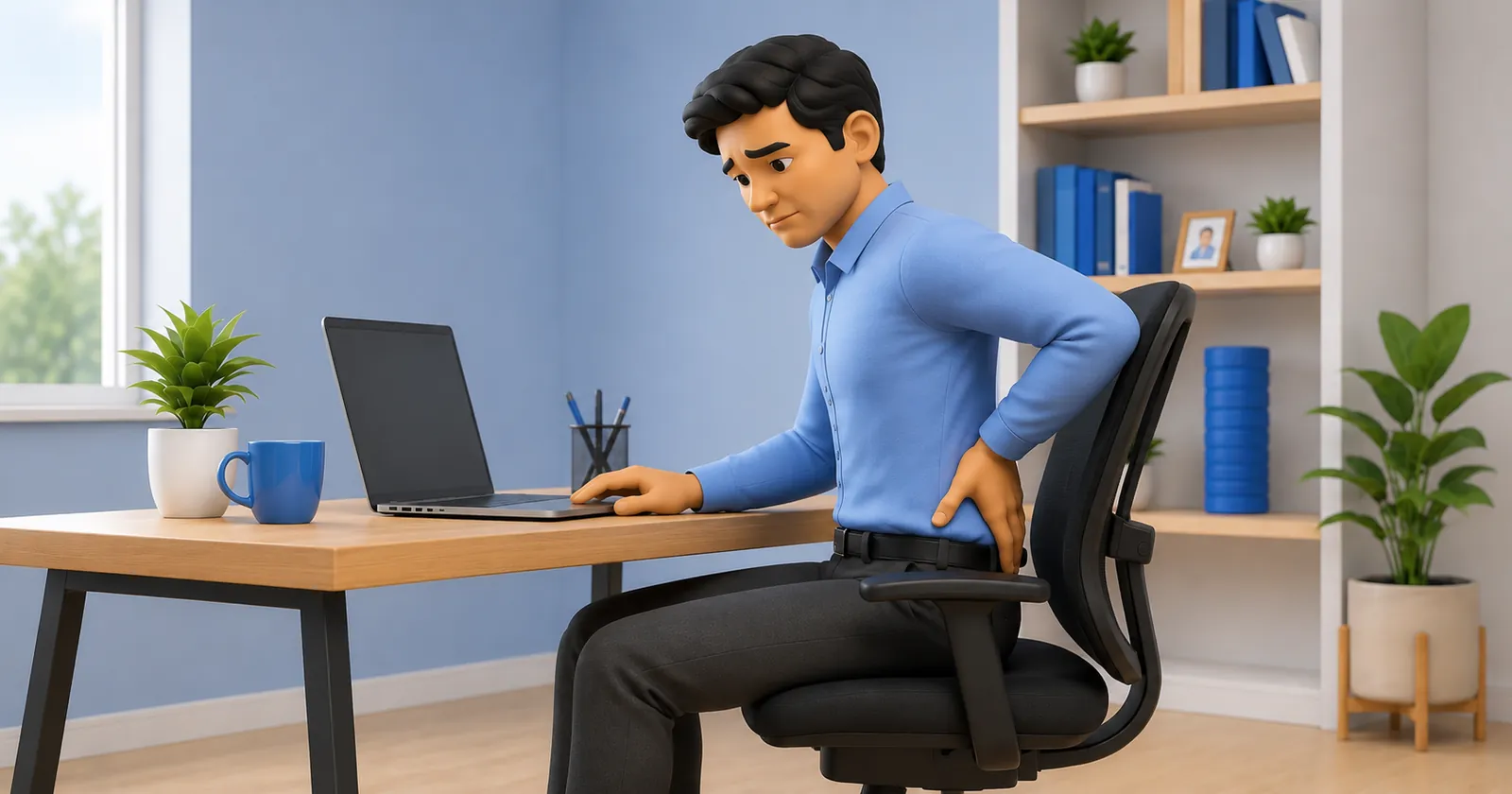
The biomechanical stresses of daily life in Indian cities heavily disrupt upper cervical articular harmony. During prolonged monsoon commutes, two-wheeler riders encounter hidden road craters and waterlogged potholes, causing abrupt vertical compression and reflex head retraction. Tensing the neck while navigating heavy traffic locks the suboccipital muscles into hypertonic spasm. In offices, extended sessions on non-ergonomic chairs without headrests induce postural creeping, where the deep stabilizers fatigue and the C1 vertebra remains subtly displaced anteriorly or rotated relative to the C2 axis. Sufferers frequently report that attempting to turn their head while reversing a car or crossing crowded roadways elicits a sharp click and an immediate spike in temporal headache throbbing, reflecting an uncorrected joint positional fault.
Arthrokinematic Mechanisms of the C1-C2 SNAG
The mechanical foundation of the C1-C2 SNAG addresses the specific joint plane geometry of the atlanto-axial articulation. The superior articular facets of C2 are slightly convex and face superiorly and laterally, matching the reciprocal biconvex facets of the C1 atlas. During active head rotation, the ipsilateral C1 inferior facet glides posteriorly and inferiorly on C2, while the contralateral C1 facet slides anteriorly and superiorly. A minor positional fault, capsular micro-adhesions, or protective spasm of the obliquus capitis inferior muscle can restrict this posterior translation, resulting in asymmetric joint jamming. During a Mulligan C1-C2 SNAG, the physiotherapist places the radial border of the index finger or thumb over the posterior lateral arch of C1, or stabilizes the large spinous process of C2, delivering a sustained, pain-free posteroanterior (PA) glide parallel to the facet plane. As the glide is held, the patient actively rotates the head toward the restricted side, facilitating normal arthrokinematic realignment.
Application Rules, Dosing, and Transition to Self-SNAGs
Strict adherence to Mulligans PILL rule (Pain-free, Immediate result, Long-Lasting effect) governs clinical SNAG application. If the sustained glide provokes any pain during rotation, the therapist must alter the angle, depth, or location of force until the movement becomes entirely effortless and symptom-free. Standard clinical dosage comprises three to six repetitions on the initial treatment session, progressing to two sets of ten repetitions as tolerance confirms joint adaptation. Once passive in-clinic mobilization restores symmetrical rotation, the patient is taught self-treatment utilizing a specialized strap or woven towel. Home self-SNAGs empower patients to manage emerging tightness autonomously, reinforcing neuromuscular adaptations and preventing recurrent positional faults from triggering headaches during demanding workweeks.
Towel-Assisted Self-SNAG for Upper Cervical Rotation
Objective: Replicate clinical C1-C2 joint gliding at home to maintain restored neck rotation and suppress headache onset
- 1Sit tall in a supportive chair and drape a soft, non-elastic woven hand towel around the back of your neck at the hairline level.
- 2Cross your arms across your chest, grasping the opposite towel ends with your hands so the towel crosses directly over the front of your neck.
- 3Hold the lower towel end securely against your sternum with your left hand to anchor the fabric firmly.
- 4Grasp the upper towel strap with your right hand at eye level and pull gently forward, applying a comfortable horizontal glide across the base of your skull.
- 5Maintaining this forward pull, slowly rotate your head to the right as far as comfortably possible without pain, hold for two seconds, and return to the center.
| Treatment Stage | Therapist Hand Placement | Direction of Glide | Clinical Repetitions and Progression |
|---|---|---|---|
| Acute Presentation | Radial border of index finger over C1 posterior arch | Pure posteroanterior glide along horizontal facet plane | 3 to 5 gentle repetitions; reassess range immediately |
| Subacute Restoration | Thumb stabilization of C2 spinous process, opposing C1 glide | PA glide with subtle medial or lateral angle adjustment | 2 sets of 8 repetitions with active terminal overpressure |
| Home Maintenance | Patient-applied strap or towel edge at subcranial margin | Self-directed horizontal forward traction during rotation | 1 set of 6 repetitions twice daily or during postural fatigue |
| Resolution Criteria | Symmetrical 45-degree rotation on Flexion-Rotation Test | Complete absence of familiar headache during movement | Maintenance of normal range over 4 consecutive weeks |
Under no circumstances should a cervical SNAG provoke lightheadedness, nystagmus, nausea, or visual disturbances. If sustained rotation combined with overpressure elicits any vestibular or vascular symptoms, the technique must be halted immediately. The patient must be screened for vertebrobasilar insufficiency and referred for prompt medical evaluation.
Frequently Asked Questions
How quickly do Mulligan C1-C2 SNAGs relieve a cervicogenic headache?
When a cervicogenic headache is caused by an upper cervical joint positional fault, a properly applied C1-C2 SNAG frequently produces significant pain reduction within the very first treatment session. By restoring normal articular gliding and instantly relieving suboccipital muscular guarding, patients typically experience immediate freedom in neck rotation and noticeable lightening of referred temple pressure.
Do I need a doctor referral to treat cervicogenic headaches on BookPhysio.in?
BookPhysio.in does not require a doctor referral. Under the National Commission for Allied and Healthcare Professions (NCAHP) Act 2021, patients across India enjoy direct access to autonomous registered physiotherapists. Through BookPhysio.in, you connect directly with verified clinicians and pay per session with transparent fees, completely free from advance package commitments, commission markups, or platform subscription charges.
Related recovery guides & articles
BookPhysio.in Editorial Team
The BookPhysio.in editorial team writes and maintains this content, checking it against reliable clinical sources. Content follows our medical review policy: general information only, and no page claims a clinical review until a named registered physiotherapist has signed it off.
Read our medical review policy