
NCAHP Act Direct Access Physiotherapy for TOS in India
In short
Under the landmark NCAHP Act 2021, patients in India have full legal direct access to registered physiotherapists. Learn how first-contact care accelerates thoracic outlet diagnosis.
In this guide (4 sections)
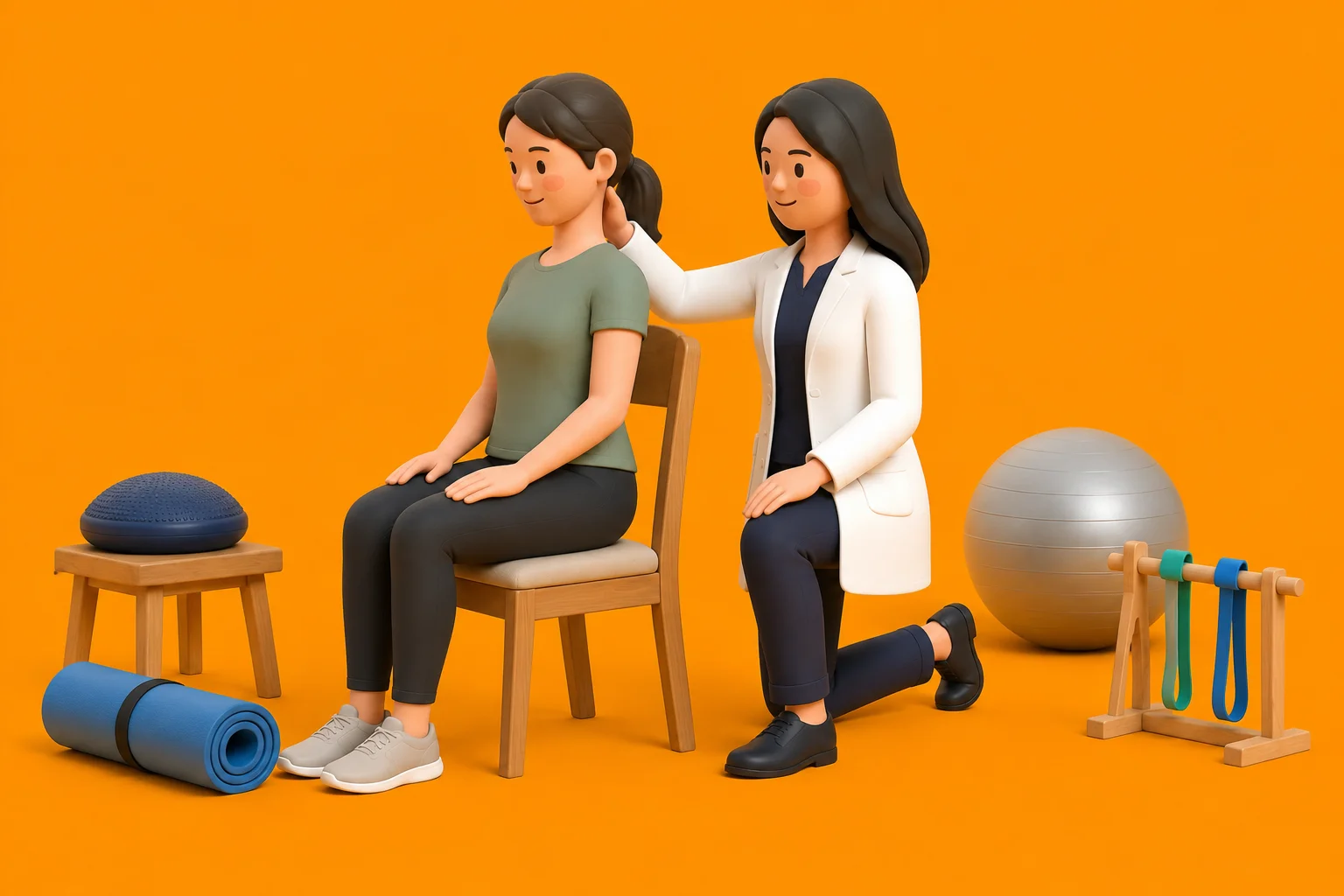
For decades, patients suffering from complex musculoskeletal and neurovascular disorders across India were subjected to fragmented healthcare journeys, often requiring mandatory medical referrals before seeing a rehabilitation specialist. This changed fundamentally with the enactment of the National Commission for Allied and Healthcare Professions (NCAHP) Act 2021 by the Parliament of India. Under this landmark legislation, physiotherapy is legally recognized as an independent, autonomous healthcare profession. Registered physiotherapists possess first-contact diagnostic and treatment autonomy, meaning patients experiencing thoracic outlet syndrome symptoms can consult a licensed clinician directly without requiring a prior prescription or referral from an orthopedic surgeon or physician.
Eliminating Referral Delays in Indian Healthcare Corridors
In traditional Indian clinical environments, patients with subtle thoracic outlet symptoms frequently spend months caught in referral loops. An individual experiencing hand numbness and neck stiffness might first consult a general physician who prescribes analgesics; then an orthopedic specialist who orders cervical radiographs; then a neurologist who requests electrodiagnostic studies. By the time the patient is referred to a physiotherapist, months have elapsed, and chronic neural tethering and myofascial contractures have become deeply entrenched. Direct access under the NCAHP Act empowers individuals to seek specialized musculoskeletal evaluation at the very onset of symptoms.
Autonomous Clinical Examination, Differential Screening, and Safety Scope
Under the NCAHP Act 2021, autonomous physiotherapy practice is grounded in comprehensive clinical assessment and diagnostic responsibility. An autonomous physiotherapist is trained to conduct a full systemic review, differentiate neurogenic, venous, and arterial thoracic outlet variants, perform physical test clusters (such as Roos EAST, Adson, and Lindgren maneuvers), and identify red-flag conditions. If the clinician identifies non-musculoskeletal pathology, such as a Pancoast apical lung tumor, acute Paget-Schroetter effort thrombosis, or Horner syndrome, they possess the professional mandate to refer the patient immediately to specialized medical or surgical emergency care.
Structuring First-Contact Conservative Care Pathways on BookPhysio.in
Direct access allows physiotherapists to implement evidence-based conservative care immediately upon presentation. On platforms like BookPhysio.in, verified autonomous clinicians conduct detailed physical examinations, establish clear diagnostic baselines, and initiate targeted rehabilitation without administrative delays. Treatment incorporates manual first rib mobilization, scalene myofascial release, neurodynamic gliding, and progressive scapular motor control retraining. Patients are treated under transparent fee models without institutional markups, fostering collaborative, patient-centered recovery.
Postural Reset and First Rib Offloading Drill (First-Contact Starter)
Objective: Immediately begin decompressing the thoracic outlet upon establishing safe clinical evaluation
- 1Sit upright on a stable chair with your feet flat on the floor and shoulders level.
- 2Gently tuck your chin backward into a subtle nod, aligning your ears over your shoulders.
- 3Inhale slowly through your nose into your lower abdomen, avoiding any lifting of your collarbones.
- 4As you exhale, imagine your shoulders and collarbones gliding gently downward and backward away from your ears.
- 5Hold this relaxed, neutral alignment for 5 seconds, breathing smoothly, then repeat 5 times.
| Healthcare Dimension | Historical Referral Model (Pre-2021) | Direct Access Model (NCAHP Act 2021) |
|---|---|---|
| Legal Practitioner Status | Classified as technical or supportive paramedical staff under outdated frameworks. | Legally recognized independent, autonomous healthcare professional. |
| Patient Access Pathway | Mandatory prior consultation and prescription from a medical doctor. | Direct, first-contact access; no physician prescription or referral required. |
| Diagnostic Scope | Limited to executing prescribed treatment modalities (heat, traction, ultrasound). | Full autonomous assessment, physical diagnosis, red-flag screening, and custom care. |
| Time to Treatment | Average 4 to 12 weeks of referral delays and unnecessary medications. | Immediate evaluation and treatment initiation within days of symptom onset. |
First-contact autonomy carries strict professional responsibility. Autonomous physiotherapists must perform rigorous red-flag screening on every patient. If vascular compromise, unexplained neurological loss, or constitutional malignancy signs appear, immediate medical referral is mandatory under professional practice standards.
Frequently Asked Questions
Is it legal to see a physiotherapist directly without a doctor prescription in India?
Yes. Under the National Commission for Allied and Healthcare Professions (NCAHP) Act 2021, physiotherapists in India are recognized as independent healthcare practitioners with full legal autonomy to assess and treat patients directly without a doctor prescription.
Do I need a doctor referral to see a thoracic outlet physiotherapist on BookPhysio.in?
BookPhysio.in does not require a physician prescription. Under the National Commission for Allied and Healthcare Professions (NCAHP) Act 2021, patients across India enjoy direct access to autonomous registered physiotherapists. Through BookPhysio.in, you connect directly with verified clinicians and pay per session with transparent fees, completely free from advance package commitments, commission markups, or platform subscription charges.
Related recovery guides & articles
BookPhysio.in Editorial Team
The BookPhysio.in editorial team writes and maintains this content, checking it against reliable clinical sources. Content follows our medical review policy: general information only, and no page claims a clinical review until a named registered physiotherapist has signed it off.
Read our medical review policy