
Sitting on Wooden Stools and Firm Floor Carpets in Indian Homes: Managing Tendon Shear
In short
Learn how traditional Indian seating habits like sitting on low stools and firm floor carpets affect hamstring tendon health, and discover practical solutions.
In this guide (4 sections)
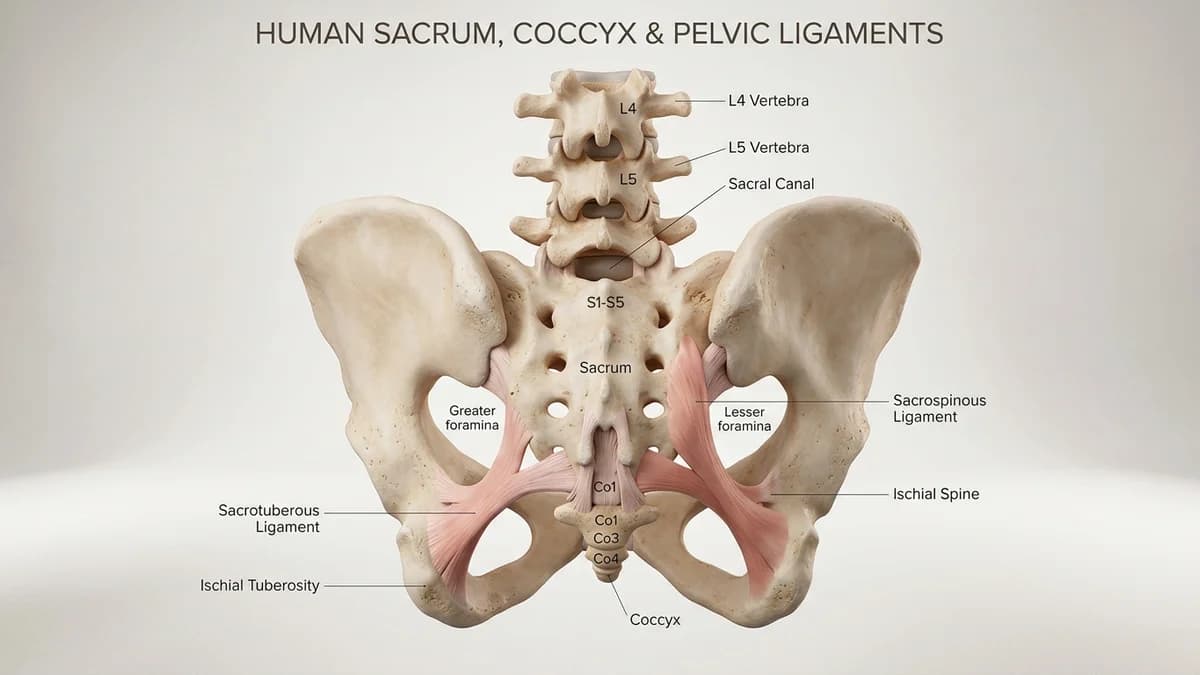
In traditional Indian households, domestic daily life revolves around floor-level and low-surface activities. Across urban and rural homes, family members routinely sit on low wooden stools (chowki), woven cane stools (morha), or directly on firm floor carpets, cotton durries, or mosaic tiles during meals, religious poojas, vegetable preparation, and social gatherings. While floor sitting promotes valuable hip mobility and core stability in healthy individuals, it imposes extreme mechanical stress on an injured or degenerate proximal hamstring tendon. Low stools and floor seating combine maximum hip flexion (often exceeding 100 degrees) with direct bony contact pressure, placing the tendon into severe compressive impingement against the ischial tuberosity and provoking persistent buttock pain.
Family Dining on Chowkis, Pooja Floor Rituals, and Social Floor Gatherings
Cultural customs in many Indian families encourage eating meals while seated on a chowki or sitting crossed-legged on the dining floor. During traditional prayer ceremonies (poojas) or festival gatherings, individuals sit on thin floor carpets for several continuous hours. For a patient recovering from an acute hamstring strain or managing chronic proximal tendinopathy, these cultural expectations can create significant physical distress. Attempting to sit cross-legged (Sukhasana) or with legs extended forward puts continuous tensile and compressive strain on the ischial insertion, frequently resulting in a severe symptom flare that lasts for 24 to 48 hours afterward.
Ischial Bone Pressure Distribution and Tendon Wrapping Geometry
Biomechanical pressure mapping reveals that sitting on a low stool of 6 to 10 inches height increases peak ischial contact pressure by over 40 percent compared to sitting on a standard ergonomic chair of 18 inches height. The reduced seat height forces the pelvis into deep posterior tilt while the hips flex past 110 degrees. This geometrical orientation pulls the proximal hamstring conjoint tendon taut, wrapping it firmly around the lateral margin of the ischial tuberosity like a rope drawn tightly over a sharp rock ledge. The combination of high contact pressure, localized shear, and severe compressive wrap-around disrupts local microvascular flow, causing cellular ischemia and aggravating peri-tendinous bursitis.
Culturally Sensitive Modifications: Height Elevation, Cushioning, and Dynamic Transitions
Physiotherapists must provide culturally sensitive modifications that allow patients to participate in family rituals without sacrificing tissue healing. Rather than issuing a blanket ban on family gatherings, clinicians recommend specific structural adaptations. Elevating seating height by placing two stacked firm bolsters or a dedicated meditation cushion beneath the pelvis reduces hip flexion from 110 degrees to a tolerable 70 degrees. For dining, patients are encouraged to transition temporarily to standard dining table seating or use a specialized portable wooden seat equipped with high-density foam. In prayer spaces, a firm chair placed respectfully along the outer circle allows active participation without compressive injury.
Bolster-Supported Pelvic Elevation Transition Drill
Objective: Practice safe, hip-unloaded floor-to-standing transitions using firm bolster support
- 1Place a firm yoga bolster or two stacked dense foam blocks (at least 8 inches high) on a clean floor mat.
- 2Carefully lower yourself to sit squarely on the bolster, keeping your knees bent and feet flat on the floor in front of you.
- 3Ensure your hips remain distinctly higher than your knee joints, maintaining an open hip angle of roughly 75 to 80 degrees.
- 4Lean slightly forward from your torso, engage your core, and press firmly through your heels and thighs to rise smoothly to standing.
- 5Lower yourself back onto the bolster with controlled, slow movement, avoiding sudden dropping onto your sitting bones.
| Traditional Seating Format | Biomechanical Risk Factor | Symptom Impact | Recommended Clinical Modification |
|---|---|---|---|
| Low Wooden Chowki (6-8 inches) | Severe hip flexion (>110 degrees) with unpadded wooden contact pressure | Sharp, immediate ischial pain; aggravated upon standing | Place a 3-inch high-density foam pad over chowki or transition to standard dining chair |
| Woven Cane Morha | Concave sagging base concentrating pressure on outer ischial tuberosities | Aching buttock pain developing after 15 to 20 minutes | Use a firm plywood insert across the morha top covered by a supportive cushion |
| Flat Floor Carpet / Durrie | Direct unyielding floor contact with continuous hamstring tensile stretch | Deep buttock ache that lingers for 24 to 48 hours post-gathering | Sit on a 6 to 8 inch firm meditation bolster or use a portable folding prayer chair |
| Cross-Legged Floor Dining | Rotational torques combined with deep flexion and posterior pelvic tilt | Aggravates combined proximal tendinopathy and sciatic nerve tethering | Sit with legs extended slightly forward supported by a wedge, or use dining table |
Patients with acute or subacute hamstring tears must strictly avoid pulling themselves up from floor seating by hooking their heels into the carpet and pulling backwards. This sudden, forceful knee flexion contraction under high tensile load can provoke acute re-tearing of the healing musculotendinous junction. Always use hands or upper-body furniture support to rise smoothly.
Frequently Asked Questions
Is it disrespectful to sit on a chair during family poojas or religious rituals in India?
Most family elders and religious leaders fully understand and respect medical modifications for physical health. Placing a neat, clean wooden or padded chair along the side or rear of the prayer area allows full spiritual participation while protecting your healing tendon from harmful compressive damage.
Do I need a doctor referral to rehabilitate a hamstring strain on BookPhysio.in?
BookPhysio.in does not require a doctor referral. Under the National Commission for Allied and Healthcare Professions (NCAHP) Act 2021, patients across India enjoy direct access to autonomous registered physiotherapists. Through BookPhysio.in, you connect directly with verified clinicians and pay per session with transparent fees, completely free from advance package commitments, commission markups, or platform subscription charges.
Related recovery guides & articles
BookPhysio.in Editorial Team
The BookPhysio.in editorial team writes and maintains this content, checking it against reliable clinical sources. Content follows our medical review policy: general information only, and no page claims a clinical review until a named registered physiotherapist has signed it off.
Read our medical review policy