
Physiotherapy for Colles Fracture
Quick answer
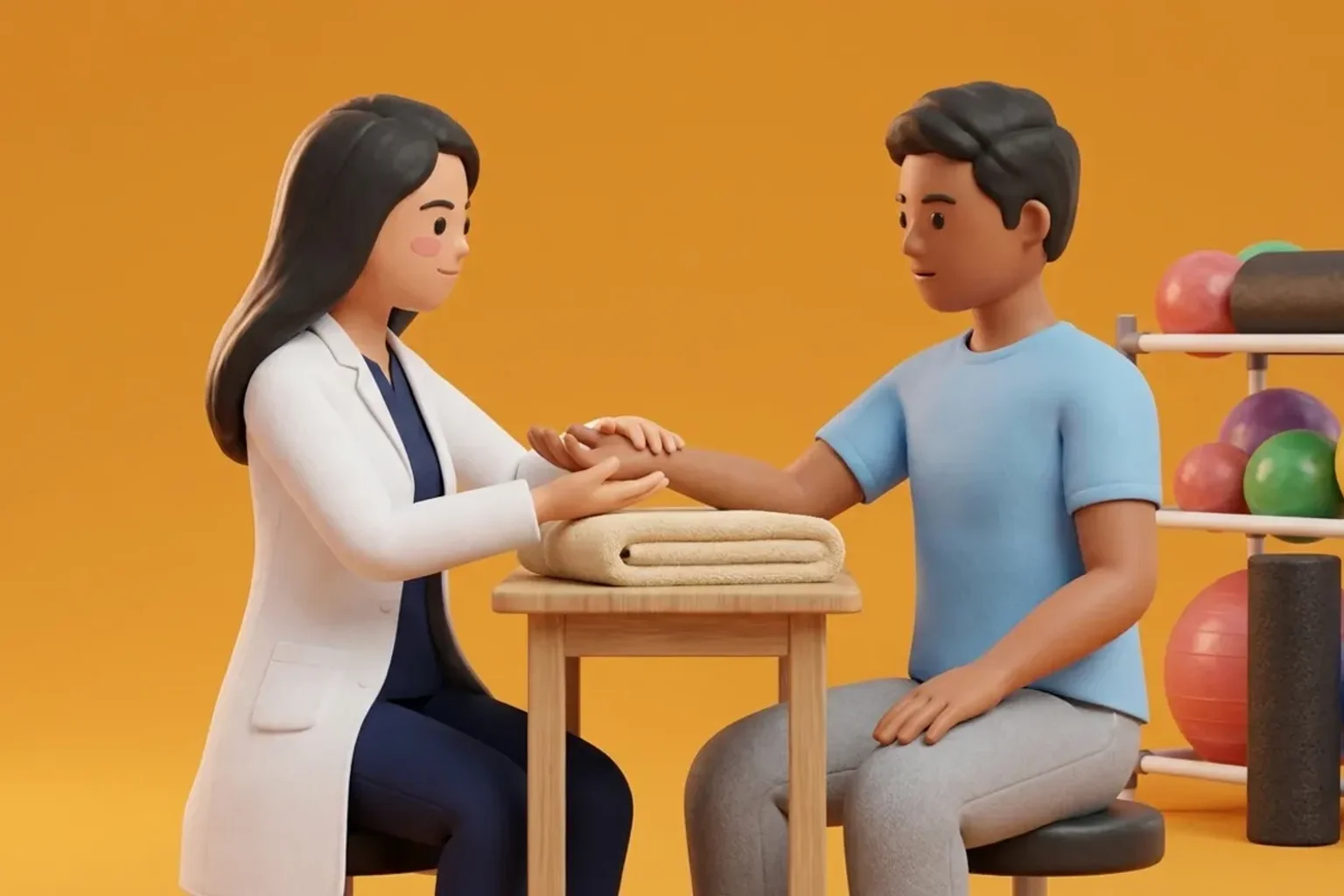
Physiotherapy is essential for restoring wrist mobility, forearm rotation, and grip strength after a Colles fracture (distal radius fracture). Once cast immobilization or surgical plating is complete, a physiotherapist guides radiocarpal joint mobilisations, active pronation-supination exercises, and progressive functional loading to eliminate wrist stiffness.
- Common wrist fracture from a forward fall
- Severe wrist and forearm stiffness after cast
- Restores pronation and supination rotation
- Rebuilds grip strength for daily tasks
- Early mobility prevents CRPS complications
What is colles fracture?
A Colles fracture is a complete fracture of the distal radius bone in the forearm with dorsal displacement of the wrist, typically sustained by falling onto an outstretched hand (FOOSH). It is particularly common among older adults with underlying osteopenia or osteoporosis in India, frequently occurring from slips on wet bathroom tiles or unpaved streets. Following 4 to 6 weeks in a plaster cast or surgical fixation with a volar locking plate, patients invariably experience severe wrist joint stiffness, restricted forearm turning (pronation and supination), finger puffiness, and diminished grip power. Post-immobilization physiotherapy focuses on gentle passive and active joint mobilisations, edema reduction, tenosynovial gliding, and graded resistance training to safely restore independence in carrying groceries, preparing meals, and personal care.
Orthopaedic Physiotherapy
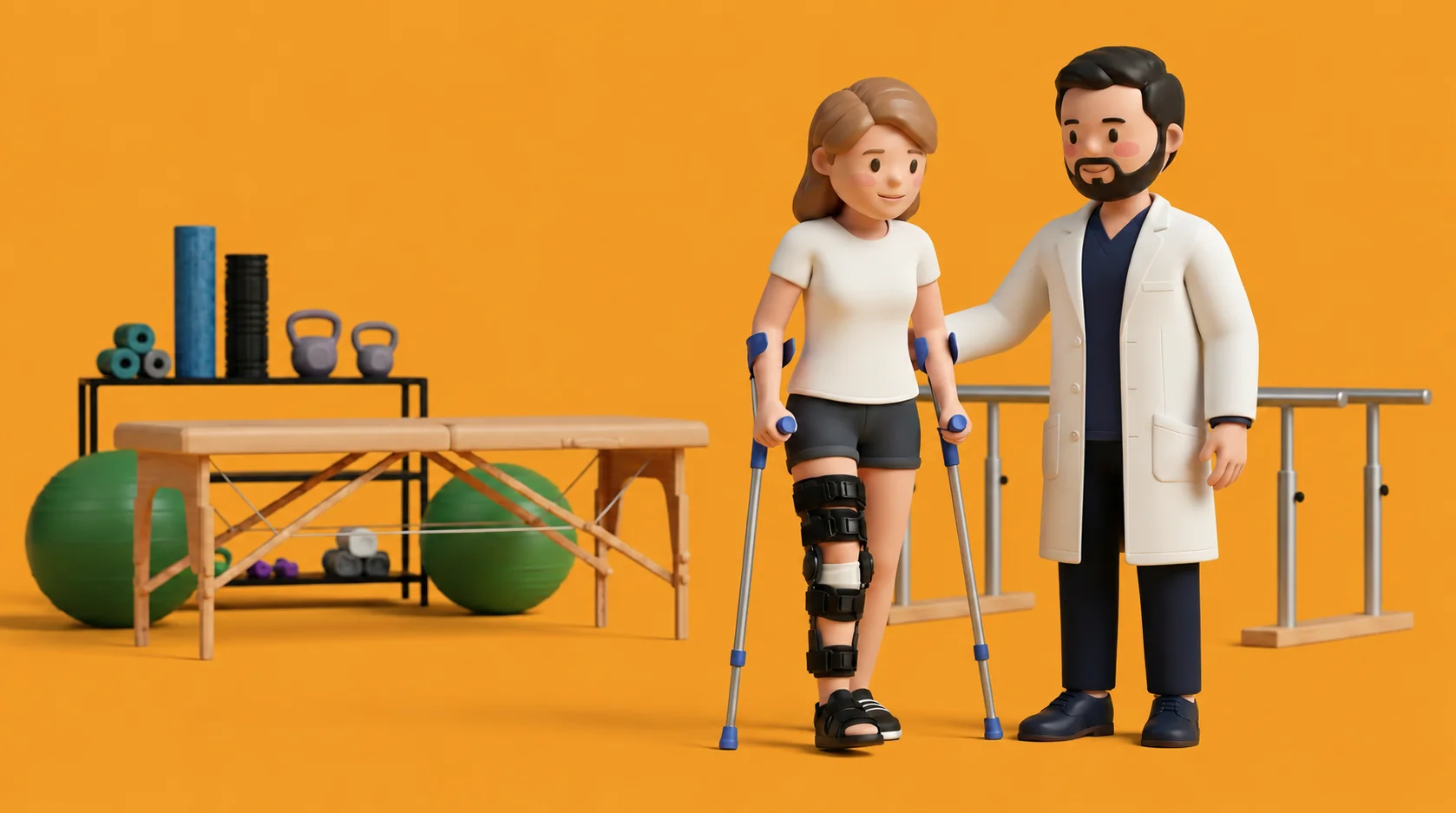
Colles Fracture is assessed and treated under Orthopaedic physiotherapy (bones & joints). Bones, joints, muscles, and ligaments. Back pain, fractures, and post-surgery recovery.
How physiotherapy helps
- Radiocarpal and ulnar joint mobilisations
- Forearm pronation and supination retraining
- Active finger and thumb tendon gliding drills
- Progressive grip strength with exercise putty
- Edema management and wrist extension loading
Common signs
- Significant stiffness in the wrist joint, limiting backward bending (extension) and forward bending (flexion) after cast removal
- Difficulty rotating the forearm to turn the palm up (supination) or down (pronation)
- Marked weakness in hand grip, making it difficult to hold a glass, open taps, or carry objects
- Residual swelling and dull aching around the wrist joint and base of the thumb
- Stiffness and reduced flexion in the fingers due to prolonged splinting
In-clinic vs home visit physiotherapy
| What to compare | In-clinic | Home visit |
|---|---|---|
| Typical fee | ₹300 to ₹1,500 a session. It depends on your city. | ₹400 to ₹2,000 a session. It depends on your city. |
| Exact fee | Set by each physiotherapist and shown on their profile | Set separately for home visits and shown on their profile |
| Best for | Equipment-based rehab and first assessments | Limited mobility, post-surgery, and elderly care |
| Equipment | Full clinic setup | Portable equipment the physiotherapist brings |
| Travel | You travel to the clinic | The physiotherapist comes to you |
| Booking | Pick a clinic slot on search | Filter by home visit on search |
Clinical rehabilitation framework
Evidence-informed clinical progression and starter exercise targets for colles fracture.
Clinical progression criteria & key observations
- Finger stiffness during cast immobilisation is common and largely preventable with early, consistent finger AROM
- Grip strength typically lags behind wrist ROM recovery and needs its own progressive loading programme
Starter exercise targets & evidence-based dosage
When to seek urgent care
Physiotherapy is safe for most people. See a doctor urgently if you have any of these.
- Sudden severe, burning pain out of proportion to movement with extreme skin hypersensitivity and temperature changes, signaling CRPS
- Persistent numbness or intense tingling in the thumb, index, and middle fingers, indicating acute carpal tunnel syndrome
- Visible bone deformity, sudden crack, or gross instability with new severe swelling following fresh trauma
- Signs of infection around surgical incision sites or pin sites, such as spreading redness, heat, or discharge
Seek urgent medical care first. Physiotherapy comes after, when it is safe.
Frequently asked questions
When should physiotherapy start after a Colles fracture?
Can I get physiotherapy for colles fracture at home?
How long does it take for wrist stiffness to resolve after a Colles fracture?
How much does physiotherapy for colles fracture cost in India?
Related conditions & care



Clinical guides & articles for colles fracture
Evidence-informed articles, recovery timelines, and home care advice from our clinical library.
Colles' fracture wrist stiffness rehabilitation: post-cast mobilization, pronation-supination recovery, and grip strength
Removing the plaster cast after a Colles' fracture is only half the battle. Six weeks of immobilization leaves the radiocarpal and distal radioulnar joints stiff, swollen, and weak. Learn how physiotherapists mobilize wrist flexion, restore pronation-supination, rebuild grip strength, and prevent complex regional pain syndrome.
Distal Radius Fracture Volar Locking Plate: Finger Stiffness Prevention, Dart-Thrower Motion and Rehab
Volar locking plates allow early functional wrist mobilization. Learn how to prevent debilitating finger stiffness, CRPS risk reduction, and progressive grip recovery.
Distal Radius Fracture: Volar Locking Plate Fixation, Early Pronation-Supination, and Hand Function
Volar locking plates provide rigid subchondral fixation for distal radius fractures; early forearm rotation and active digital motion prevent debilitating wrist and hand stiffness.
Colles Fracture Cast Removal Rehabilitation: Managing Wrist Stiffness and Finger Oedema
Following six weeks of cast immobilisation for a Colles fracture, patients face significant joint stiffness and soft tissue swelling. Discover practical physiotherapy protocols to restore wrist mobility, grip strength, and manual dexterity.
Find physiotherapists for colles fracture by city
Verified physiotherapists treat colles fracture in these cities. Home visit and in-clinic options vary by physiotherapist.
Find a physiotherapist for colles fracture
Compare physiotherapists by fee, experience, and availability. Clinic visits and home visits across India.
This page is for general education and booking guidance. It does not diagnose your condition or replace medical care.
If your symptoms are severe, sudden, or getting worse, seek urgent medical care first. The same applies with fever, chest pain, breathlessness, fainting, new weakness, loss of bladder or bowel control, or unexplained bleeding.
Always consult a qualified physiotherapist or doctor about your condition.