
Physiotherapy for ICU Recovery

Quick answer
Physiotherapy for ICU recovery rebuilds the strength, breathing, and mobility lost during a critical illness or long ventilation, with a gradual, closely monitored plan.
- Recovery is gradual and closely monitored
- Home visits suit early rehabilitation after discharge
- Works alongside your medical team
- We check every physiotherapist’s registration details before their profile goes live
What is ICU recovery?
A long stay in intensive care, especially with ventilation, often leaves people very weak and deconditioned. Physiotherapy rebuilds strength, breathing, and the ability to move and carry out daily tasks, working alongside your medical team. Recovery takes time and is built up gradually, with close monitoring, often continuing at home after discharge.
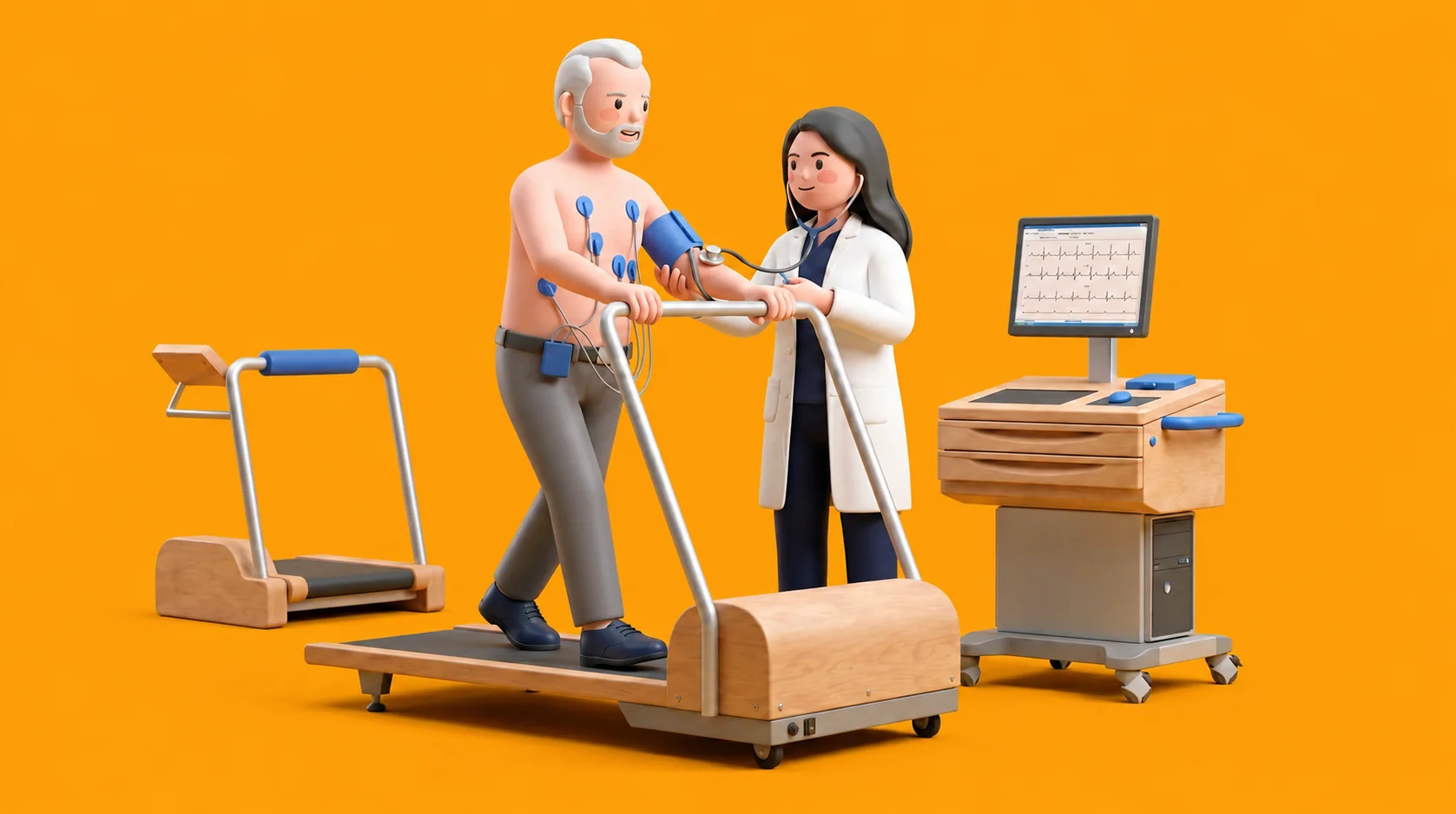
Cardiopulmonary Physiotherapy
ICU Recovery is assessed and treated under Cardiopulmonary physiotherapy (heart & lungs). Heart and lung rehabilitation, ICU recovery, and breathing retraining. Requires relevant specialty training and works alongside your medical team where needed.
How physiotherapy helps

- Graded strengthening for weakened muscles
- Breathing support and airway clearance
- A step-by-step return to sitting, standing, and walking
- Fatigue management
- Rebuilding independence with daily activities
Common signs
- Profound weakness and fatigue
- Breathlessness with little effort
- Difficulty standing or walking
- Reduced stamina and muscle wasting
- Struggling with everyday tasks
In-clinic vs home visit physiotherapy
| What to compare | In-clinic | Home visit |
|---|---|---|
| Indicative fee band | BookPhysio guide: ₹300 to ₹1,500 a session. This is not a measured average; check the physiotherapist's current profile for the exact fee. | BookPhysio guide: ₹400 to ₹2,000 a session. This is not a measured average; check the physiotherapist's current profile for the exact home-visit fee. |
| Exact fee | Set by each physiotherapist and shown on their profile when an in-clinic fee is listed | Set separately for home visits and shown on their profile when a home-visit fee is listed |
| Decision factors | A clinic setting may offer equipment or facilities that are useful for some sessions. Ask the physiotherapist what is available and appropriate for your appointment. | A home visit can reduce travel when mobility, transport, or convenience matters. Confirm the service area and whether a home visit is appropriate with the physiotherapist. |
| Equipment availability | Varies by clinic and physiotherapist. Ask what equipment or facilities are available. | Varies by physiotherapist and appointment. Ask what they bring for a home visit. |
| Travel | You travel to the clinic | The physiotherapist comes to you |
| Finding an option | Choose an in-clinic option only when the physiotherapist lists it on their profile | Use the home-visit filter and confirm the physiotherapist covers your area |
Clinical rehabilitation framework
Evidence-informed clinical progression and starter exercise targets for ICU recovery.
Clinical progression criteria & key observations
- ICU-acquired weakness is typically symmetrical and affects proximal and distal muscles similarly; an asymmetrical pattern should prompt a look for a separate focal neurological cause
- Screen for post-intensive care syndrome (physical, cognitive, and psychological) as a package: physical rehab alone under-serves a patient whose main barrier is unaddressed anxiety or cognitive fog
Starter exercise targets & evidence-based dosage
When to seek urgent care
Physiotherapy is safe for most people. See a doctor urgently if you have any of these.
- Chest pain, severe breathlessness, or fainting
- Signs of infection such as fever
- A sudden setback in strength or breathing
- New swelling, pain, redness, or warmth in one calf or leg, or sudden breathlessness with sharp chest pain, which can signal a blood clot (DVT or PE) and needs emergency care
Seek urgent medical care first. Physiotherapy comes after, when it is safe.
Frequently asked questions
How long does recovery after intensive care take?
Can I get physiotherapy for icu recovery at home?
How much does physiotherapy for icu recovery cost in India?
Related conditions & care


Clinical guides & articles for ICU recovery
Evidence-informed articles, recovery timelines, and home care advice from our clinical library.
Cardiopulmonary Physiotherapy in India: Chest Rehab, Post-ICU and Breathing Care
Cardiopulmonary physiotherapy supports recovery for people living with lung conditions, recovering from heart surgery, or rebuilding physical capacity after an intensive care stay. Learn how chest clearance and breathing rehabilitation work.
Post-ICU physiotherapy at home: rehabilitation for bedridden elderly patients
Prolonged ICU stays and bed rest lead to rapid muscle wasting, joint stiffness, and respiratory weakness in elderly patients. Discover structured home physiotherapy steps to restore bed mobility, improve chest clearance, and prevent pressure ulcers.
Post-CABG Cardiac Rehabilitation: Sternal Precautions, Breathing Drills and Walking Protocol
Following coronary artery bypass graft (CABG) surgery, protecting bone healing at the median sternotomy while restoring lung capacity and cardiovascular fitness is essential. Discover sternal precautions, incentive spirometry, and home walking progressions.
Post-ICU and Hospitalisation Deconditioning in Elderly: Bed Mobility to Walking
An older adult confined to a hospital bed can lose up to 3 percent of muscle strength each day. Following discharge from an ICU or medical ward, intensive home physiotherapy restores mobility and prevents bedsores. Discover the phased rehabilitation pathway.
Search for a physiotherapist
Keep ICU recovery as your search context, then review each current profile for specialties, listed conditions, visit types, fee and availability before you request an appointment.
This page is for general education and booking guidance. It does not diagnose your condition or replace medical care.
If your symptoms are severe, sudden, or getting worse, seek urgent medical care first. The same applies with fever, chest pain, breathlessness, fainting, new weakness, loss of bladder or bowel control, or unexplained bleeding.
Always consult a qualified physiotherapist or doctor about your condition.