
Physiotherapy for Thrower's Elbow and UCL Injury
Quick answer
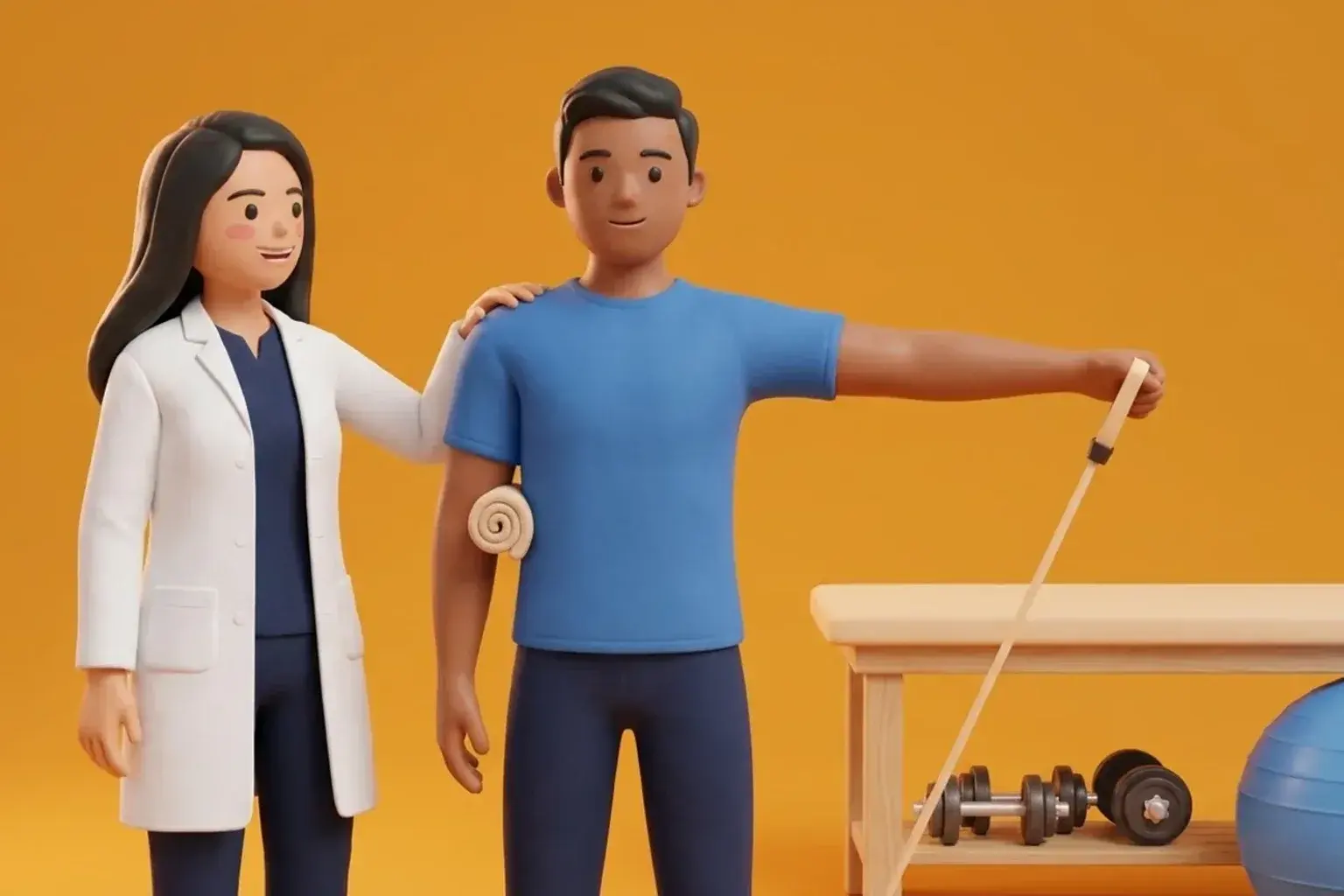
Physiotherapy is the primary non-operative treatment for thrower's elbow and ulnar collateral ligament (UCL) strains. A sports physiotherapist protects medial elbow structures from valgus stress overload, restores shoulder internal rotation deficit (GIRD), strengthens forearm flexor-pronator muscles, and implements progressive interval throwing programmes.
- Medial elbow strain from overhead throwing
- Flexor-pronator strength stabilises joint
- GIRD and shoulder mobility balance needed
- Interval throwing programmes ensure return
- Kinetic chain power reduces arm stress
What is thrower's elbow or UCL strain?
Thrower's elbow encompasses medial elbow stress injuries, most notably sprains or partial tears of the anterior bundle of the ulnar collateral ligament (UCL), common among javelin throwers, cricket fast bowlers, badminton smashers, and tennis players across India. Repetitive high-velocity overhead extension generates immense valgus tensile load on the medial elbow and lateral radiocapitellar compression. Left unaddressed, chronic laxity leads to posteromedial olecranon impingement and ulnar nerve traction. Physiotherapy corrects kinetic chain deficits, such as poor hip-pelvis power transfer and scapular dyskinesis, while loading the dynamic flexor-pronator muscle mass to dynamically stabilise the joint.

Sports Physiotherapy
Thrower's Elbow and UCL Injury is assessed and treated under Sports physiotherapy (athletic injuries). Injury prevention, athletic rehabilitation, and return-to-play programmes.
How physiotherapy helps
- Flexor-pronator muscle isometric loading
- Glenohumeral internal rotation stretching
- Scapular and kinetic chain power training
- Valgus stress protection and arm care
- Graded interval cricket bowling protocols
Common signs
- Sharp or aching pain along the inner elbow during the late cocking and early acceleration throwing phases
- Tingling or numbness radiating down the inside of the forearm into the little and ring fingers
- Loss of throwing velocity, distance control, and stamina during bowling or racquet sports
- Localized tenderness directly over the anterior bundle of the ulnar collateral ligament
- Posteromedial elbow clicking or catching when attempting full elbow extension
In-clinic vs home visit physiotherapy
| What to compare | In-clinic | Home visit |
|---|---|---|
| Typical fee | ₹300 to ₹1,500 a session. It depends on your city. | ₹400 to ₹2,000 a session. It depends on your city. |
| Exact fee | Set by each physiotherapist and shown on their profile | Set separately for home visits and shown on their profile |
| Best for | Equipment-based rehab and first assessments | Limited mobility, post-surgery, and elderly care |
| Equipment | Full clinic setup | Portable equipment the physiotherapist brings |
| Travel | You travel to the clinic | The physiotherapist comes to you |
| Booking | Pick a clinic slot on search | Filter by home visit on search |
Clinical rehabilitation framework
Evidence-informed clinical progression and starter exercise targets for thrower's elbow or UCL strain.
Clinical progression criteria & key observations
- Workload spikes (sudden increases in throw count or velocity) are a major modifiable risk factor and should be addressed alongside strengthening
Starter exercise targets & evidence-based dosage
When to seek urgent care
Physiotherapy is safe for most people. See a doctor urgently if you have any of these.
- Complete acute UCL rupture with gross valgus joint laxity in high-performance throwers
- Loose bony fragments (osteophytes) causing mechanical elbow locking in mid-range
- Progressive motor weakness of hand intrinsic muscles indicating ulnar nerve motor entrapment
- Severe lateral elbow pain and effusion suggesting osteochondritis dissecans (OCD) of the capitellum
Seek urgent medical care first. Physiotherapy comes after, when it is safe.
Frequently asked questions
Can a thrower's elbow UCL injury heal without Tommy John surgery?
Can I get physiotherapy for thrower's elbow at home?
Why is shoulder mobility important for elbow rehabilitation?
How much does physiotherapy for thrower's elbow cost in India?
Related conditions & care


Clinical guides & articles for thrower's elbow or UCL strain
Evidence-informed articles, recovery timelines, and home care advice from our clinical library.
Atypical Parkinsonism: PSP vs MSA Differential Diagnosis and Fall Management
Atypical parkinsonian syndromes cause early falls and poor levodopa response. Differentiate PSP from MSA and implement specialized balance and postural protocols.
Rotator Cuff Tendinopathy: Subacromial Impingement vs Internal Impingement in Throwers
Shoulder impingement is not a single diagnosis. Learn the critical difference between subacromial outlet impingement and internal posterior impingement in overhead throwers.
Distal Radius Fracture Volar Locking Plate: Finger Stiffness Prevention, Dart-Thrower Motion and Rehab
Volar locking plates allow early functional wrist mobilization. Learn how to prevent debilitating finger stiffness, CRPS risk reduction, and progressive grip recovery.
Scaphoid Fracture: Herbert Screw Fixation, Avascular Necrosis (AVN) Risks and Dart-Thrower Rehab
Scaphoid fractures carry high non-union and avascular necrosis risks due to retrograde blood supply. Learn anatomical snuffbox screening, Herbert screw fixation, and dart-thrower rehab.
Find physiotherapists for thrower's elbow or UCL strain by city
Verified physiotherapists treat thrower's elbow or UCL strain in these cities. Home visit and in-clinic options vary by physiotherapist.
Find a physiotherapist for thrower's elbow or UCL strain
Compare physiotherapists by fee, experience, and availability. Clinic visits and home visits across India.
This page is for general education and booking guidance. It does not diagnose your condition or replace medical care.
If your symptoms are severe, sudden, or getting worse, seek urgent medical care first. The same applies with fever, chest pain, breathlessness, fainting, new weakness, loss of bladder or bowel control, or unexplained bleeding.
Always consult a qualified physiotherapist or doctor about your condition.