
Aerobic Conditioning in Spondylitis: Upright Walking vs Stationary Cycling Biomechanics
In short
Chronic systemic inflammation in axial spondyloarthritis dramatically elevates cardiovascular disease risk. Compare the biomechanical impact of upright walking versus stationary cycling to optimise cardiorespiratory fitness without provoking spinal kyphosis.
In this guide (6 sections)
Axial spondyloarthritis is characterized by persistent systemic inflammation driven by TNF-alpha and IL-17, creating accelerated endothelial dysfunction, arterial stiffness, and a two-fold elevation in cardiovascular mortality. Prescribing aerobic conditioning is essential to both mitigate cardiovascular risk and reduce systemic fatigue, expand restricted lung volumes, and maintain functional stamina. However, selecting the appropriate aerobic exercise modality requires careful biomechanical analysis: traditional stationary cycling on road-bike style frames with low dropped handlebars forces the thoracic spine into persistent flexion, which can accelerate anterior syndesmophyte fusion. Comparing upright walking with properly configured recumbent or upright cycling ensures cardiorespiratory fitness without compromising spinal posture.
Domestic and Cultural Indian Realities
In Indian cities, outdoor walking presents significant hazards for patients with spondylitis. Potholed, uneven pavements, broken footpaths, and chaotic vehicular traffic force patients to keep their eyes fixed downward on the ground, promoting forward neck posture and increasing fall risks in those with limited cervical rotation. Furthermore, extreme summer heat and severe seasonal air pollution (particularly high PM2.5 levels during northern Indian winters) can trigger pulmonary irritation in patients with rigid costovertebral joints. Patients should establish indoor walking tracks in shaded corridors or shopping centres, or utilize indoor stationary cycle trainers positioned in temperature-controlled domestic rooms.
Clinical Biomechanics and Inflammatory Pathology
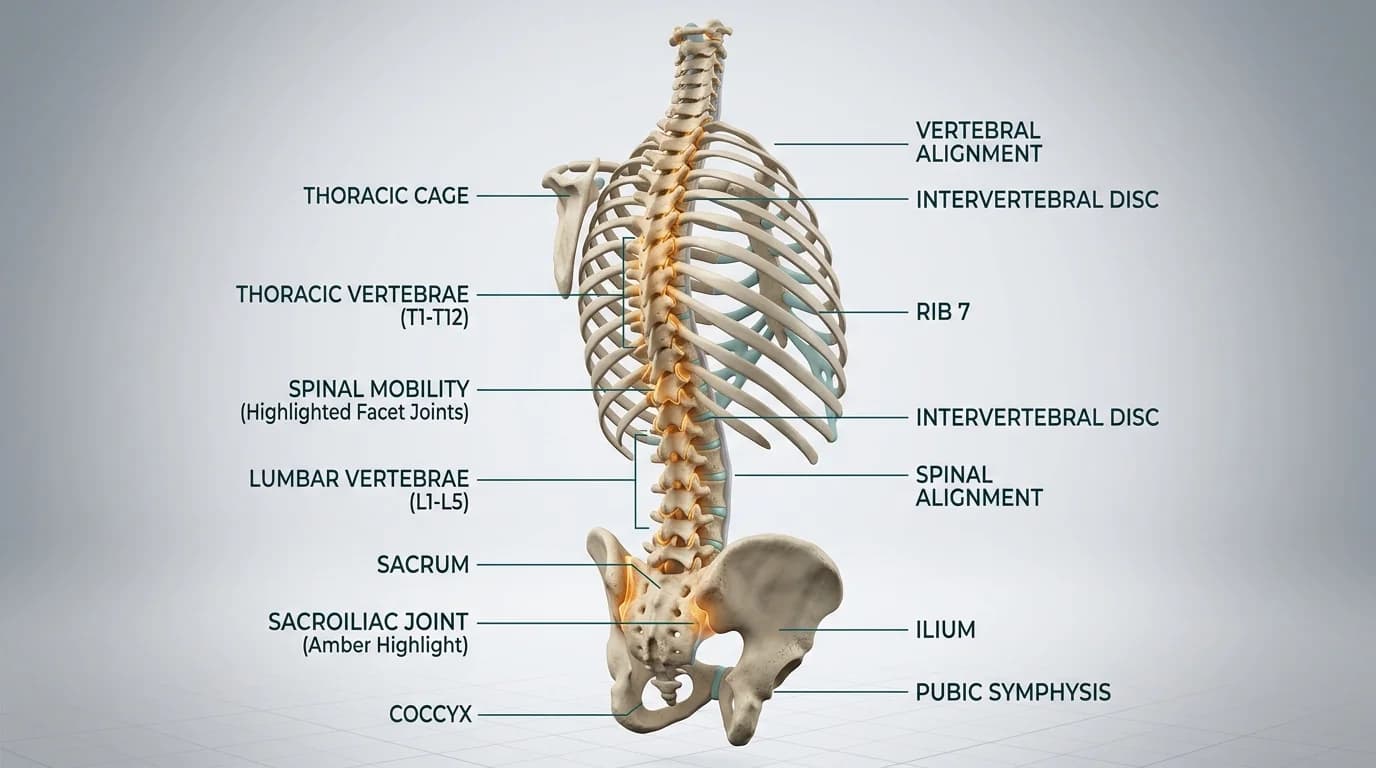
Upright walking delivers cyclic vertical ground reaction forces that stimulate osteogenesis through Wolff law, while alternating arm swings promote reciprocal thoracic rotation and ribcage mobilization. However, walking on hard surfaces can provoke insertional heel pain in individuals with active Achilles or plantar enthesitis. Conversely, stationary cycling provides non-impact, smooth rotational exercise that completely eliminates heel impact. However, if handlebars are positioned lower than saddle height, the trunk leans forward into 45 to 60 degrees of flexion, flattening lumbar lordosis and loading anterior vertebral bodies. In cycling, handlebars must be raised significantly above seat level to maintain an upright, 90-degree vertical trunk posture.
Clinical Assessment and Functional Staging
Prior to initiating aerobic training, clinicians assess baseline cardiovascular fitness using the 6-Minute Walk Test or a modified sub-maximal cycle ergometer protocol. Blood pressure and resting heart rate are recorded, calculating target heart rate training zones (55 to 70 percent of heart rate reserve). Spinal metrology, including occiput-to-wall distance, chest expansion, and sagittal balance, is evaluated to ensure that cardiovascular routines do not induce post-exercise postural slouching.
Targeted Mobility and Joint Preservation Exercises
Cardiovascular workouts must be paired with immediate post-exercise axial extension stretches to counteract any transient postural fatigue.
Upright Stationary Cycling with Elevated Handlebar Posture
Objective: Achieve aerobic cardiovascular conditioning while strictly maintaining an upright sagittal spinal alignment
- 1Adjust the stationary cycle seat height so that your knee remains in 10 to 15 degrees of gentle flexion at the bottom of the pedal stroke.
- 2Raise the handlebars to the highest setting so your hands rest comfortably with your torso completely upright (90 degrees to floor).
- 3Pedal smoothly at a steady cadence of 60 to 70 revolutions per minute with light to moderate resistance.
- 4Focus on looking straight ahead at eye level, taking deep lateral diaphragmatic breaths throughout the pedaling session.
| Clinical Variable | Upright Level Walking | Properly Configured Stationary Cycling |
|---|---|---|
| Spinal Alignment | Naturally promotes vertical posture, axial elongation, and reciprocal thoracic rotation | Requires elevated handlebars to prevent slouched forward spinal flexion |
| Enthesitis Impact | Generates heel strike impact; may irritate active Achilles or plantar enthesitis | Completely non-impact; entirely safe during acute calcaneal enthesitis |
| Thoracic Expansion | Dynamic arm swings actively mobilize the ribcage and expand lateral lungs | Upper body remains static on handlebars; requires deliberate conscious breath pacing |
| Environmental Control | Vulnerable to uneven road hazards, tripping, weather extremes, and outdoor pollution | Easily performed in safe, controlled, air-filtered indoor home environments |
Red Flags and Immediate Rheumatology Escalation
Immediate medical escalation is necessary if a patient experiences chest tightness, pressure radiating to the jaw or left arm, severe breathlessness, or lightheadedness during aerobic exercise, indicating potential myocardial ischemia or aortic valve insufficiency, known cardiac manifestations of ankylosing spondylitis. Sudden severe localized back pain following exercise warrants emergency imaging to exclude spinal stress fracture.
Frequently Asked Questions
Can aerobic exercise reverse spinal fusion in ankylosing spondylitis?
No. Aerobic exercise cannot dissolve fused syndesmophytes or reopen fused joints. However, regular upright walking or stationary cycling helps manage morning stiffness, improves heart and lung health, lowers systemic fatigue, and prevents secondary muscle wasting.
How do I book a qualified home physiotherapist to design an aerobic exercise routine via BookPhysio.in?
Under the National Commission for Allied and Healthcare Professions (NCAHP) Act 2021, Indian patients enjoy direct access to registered physiotherapists without an obligatory doctor referral. On BookPhysio.in, you schedule an appointment with a verified clinician in your city. Payment is made directly to the therapist at your home appointment via cash or UPI; BookPhysio.in does not process booking fees online.
Related recovery guides & articles
BookPhysio.in Editorial Team
The BookPhysio.in editorial team writes and maintains this content, checking it against reliable clinical sources. Content follows our medical review policy: general information only, and no page claims a clinical review until a named registered physiotherapist has signed it off.
Read our medical review policy