
Anorectal Manometry Biofeedback: Faecal Incontinence, Sphincter Retraining in India
In short
Involuntary loss of gas or stool is deeply distressing yet highly treatable. Discover how anorectal manometry biofeedback and sensory retraining restore bowel continence.
In this guide (6 sections)
Faecal incontinence, the involuntary loss of liquid or solid stool, or the uncontrollable passage of flatus (gas), is one of the most socially isolating and emotionally distressing medical conditions in India. Affecting elderly adults, postpartum women who sustained third or fourth-degree obstetric tears (OASIS), and individuals following anorectal surgery (such as fistula or piles procedures), the condition carries immense cultural shame. Patients often withdraw completely from family gatherings, refuse to leave home, and restrict their diets severely. Anorectal manometry (ARM) biofeedback is the gold-standard, evidence-based conservative intervention, retraining sphincter pressures, sensory thresholds, and neuromuscular coordination to restore bowel control.
1. Functional Biomechanics: The High-Pressure Zone and Rectoanal Inhibitory Reflex (RAIR)
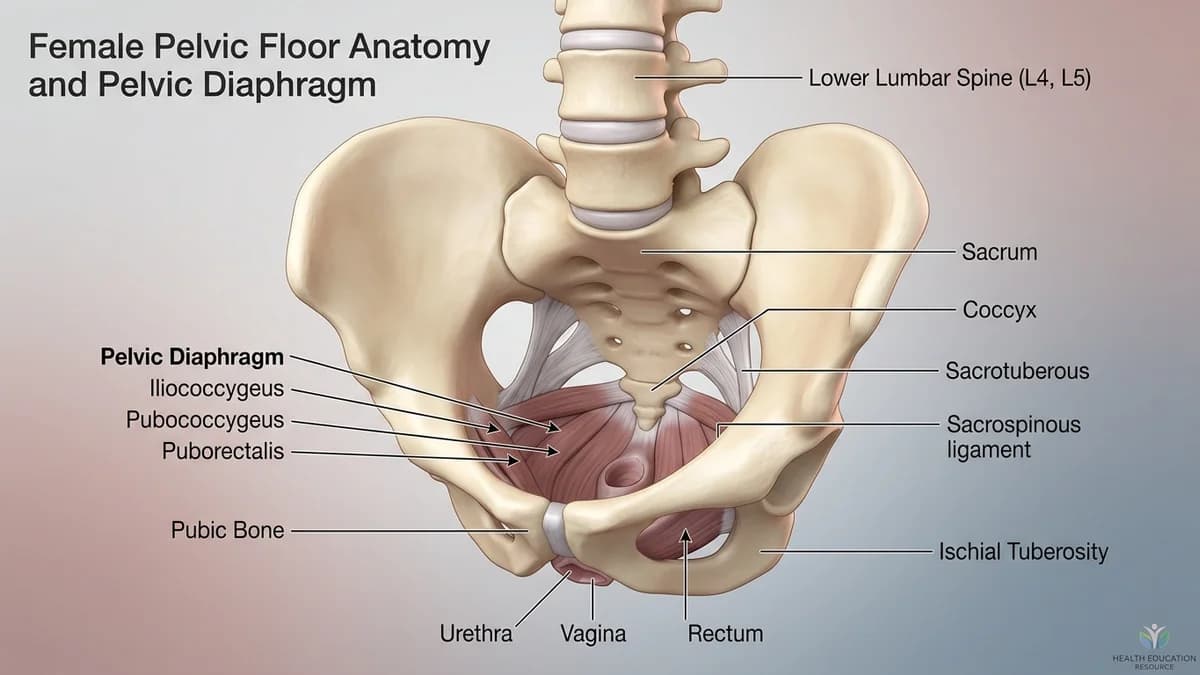
Normal fecal continence relies on a coordinated physiological triad: resting anal pressure (maintained by the involuntary internal anal sphincter, IAS), voluntary squeeze pressure (provided by the striated external anal sphincter, EAS, and puborectalis), and rectal sensory compliance. When stool descends from the sigmoid colon into the rectal ampulla, rectal wall stretch triggers the Rectoanal Inhibitory Reflex (RAIR): the upper internal sphincter relaxes automatically, allowing rectal contents to contact sensory receptors in the upper anal canal to sample whether they are solid, liquid, or gas. The external anal sphincter must contract instantly to maintain continence while voluntary decisions are made. In faecal incontinence, resting pressure is diminished, squeeze duration is blunted, or sensory perception of rectal filling is delayed.
2. Domestic Indian Context: Daily Chores, Ergonomics, and Privacy
In Indian joint family households, managing fecal incontinence without detection is an agonizing daily ordeal. Sharing a bathroom with in-laws or children creates intense anxiety regarding odors, stained laundry, or sudden bathroom emergencies. Many patients adopt extreme, unscientific dietary restrictions, eliminating lentils (dal), vegetables, and dairy to avoid forming stool, which paradoxically leads to watery diarrhea that is even harder to control. Physiotherapists collaborate with gastroenterologists to provide discreet, private biofeedback retraining, establish structured bowel routines, and regulate stool consistency using soluble fibre.
3. Clinical Special Tests and Physical Examination
High-Resolution Anorectal Manometry (HR-ARM) utilizes a thin, flexible catheter with multiple radial pressure sensors and an inflatable balloon tip. The protocol measures: (1) mean resting anal pressure (normal >40 mmHg), (2) maximum voluntary squeeze pressure (normal >100 mmHg), (3) squeeze duration (endurance), (4) RAIR elicitation, and (5) rectal sensory thresholds (first sensation, first urge, and maximum tolerable volume).
| Physiological Parameter | Normal Healthy Range | Incontinence Finding | Biofeedback Training Goal |
|---|---|---|---|
| Mean Resting Pressure | 40 to 70 mm Hg (IAS function) | Subnormal (<30 mm Hg; resting leakage) | Sensory awareness & positioning optimization |
| Max Squeeze Pressure | 100 to 180+ mm Hg (EAS function) | Blunted (<80 mm Hg; urge leakage) | Progressive fast-twitch sphincter overload |
| Squeeze Duration | Maintains squeeze >15 seconds | Rapid decay within 3 to 5 seconds | Endurance holds with verbal biofeedback |
| First Sensation Threshold | Senses balloon distension at 10-20 ml | Delayed sensation (>40-60 ml) | Balloon sensory discrimination retraining |
4. Stage-by-Stage Functional Physiotherapy Protocol
Rehabilitation centres on visual pressure biofeedback, balloon sensory threshold discrimination, and functional sphincter endurance training.
Phase 1: Real-Time Manometry Squeeze-Pressure Biofeedback
Objective: Isolate the external anal sphincter and double peak voluntary squeeze pressure using visual feedback.
- 1With the manometry catheter comfortably positioned, observe the real-time pressure waveforms on the clinical monitor.
- 2Inhale to prepare. As you exhale, perform an isolated squeeze around the back passage as if holding in liquid stool.
- 3Watch the pressure bar on screen spike upward into the green zone (above 100 mm Hg).
- 4Hold the contraction steadily for 5 seconds without allowing your abdominal muscles to push.
- 5Release completely, verifying that pressure returns cleanly to resting baseline before initiating the next squeeze.
Phase 2: Balloon Sensory Retraining Protocol
Objective: Lower the sensory threshold required to detect rectal filling before leakage occurs.
- 1A small rectal balloon is gently inflated with air in small increments (starting with 30 ml, then 20 ml, then 10 ml).
- 2Focus your mental attention on your rectum to detect the subtle sensation of fullness.
- 3As soon as you perceive the balloon, immediately execute a quick external sphincter contraction.
- 4This recalibrates cortical awareness so you detect real stool arrival well in advance of urgency.
- 5Over 4 to 6 sessions, the minimum volume needed to trigger conscious awareness drops significantly.
Phase 3: The 'Gastrocolic Reflex' Scheduled Toilet Routine
Objective: Establish an automated, predictable daily bowel evacuation schedule.
- 1Eat a balanced warm breakfast containing soluble fibre (such as oats or stewed fruit) and drink a warm beverage.
- 2Within 20 to 30 minutes, utilize the natural gastrocolic propulsive reflex and sit on the toilet with your feet on a footstool.
- 3Take calm, slow breaths, allowing the rectum to empty completely without straining.
- 4Emptying the bowel predictably once daily in the morning eliminates the fear of unexpected leaks during the day.
Seek immediate gastroenterological or colorectal surgical consultation if you experience: rectal bleeding with maroon stools, unexplained weight loss, sudden total loss of anal sphincter tone following spinal trauma, a palpable mass in the rectum, or severe nocturnal diarrhea accompanied by fever.
5. Clinic Consultation, Home Visits, and Transparent Fee Benchmarks
Under the National Commission for Allied and Healthcare Professions (NCAHP) Act 2021, patients in India can consult a registered pelvic health physiotherapist directly without an upfront referral, though BookPhysio.in does not ask for one. Specialized gastrointestinal pelvic physiotherapy clinics feature computerised anorectal manometry systems in private clinical suites. Clinic consultations in Indian cities range between ₹500 and ₹1,500, with home visits ranging from ₹700 to ₹2,000 where available. Patients pay their physiotherapist directly at each consultation, with zero platform commission.
6. Frequently Asked Questions
Can anorectal manometry biofeedback cure faecal incontinence in India?
Clinical trials demonstrate that anorectal manometry biofeedback successfully restores bowel continence or achieves substantial symptom reduction in over 75 to 80 percent of patients. By retraining sensory perception and doubling voluntary squeeze power, patients regain the ability to defer evacuation until reaching a restroom.
How does diet affect faecal incontinence in Indian households?
Liquid, loose stool is far harder for a compromised anal sphincter to hold than soft, formed stool. Eliminating greasy, deep-fried street foods and introducing 1 to 2 tablespoons of psyllium husk (isabgol) with moderate water bulks the stool, transforming watery diarrhea into a cohesive formed stool that the sphincter can control easily.
Related recovery guides & articles
BookPhysio.in Editorial Team
The BookPhysio.in editorial team writes and maintains this content, checking it against reliable clinical sources. Content follows our medical review policy: general information only, and no page claims a clinical review until a named registered physiotherapist has signed it off.
Read our medical review policy