
Chronic Pelvic Pain Syndrome (CPPS) in Indian Men: Non-Bacterial Prostatitis, Pelvic Floor Spasm, and Physiotherapy
In short
Chronic pelvic pain, testicular aching, and urinary burning in men are often misdiagnosed as recurring bacterial infections. Discover how pelvic floor physiotherapy relieves male pelvic pain.
In this guide (6 sections)
Chronic pelvic pain syndrome (CPPS), classified medically as Category IIIb chronic non-bacterial prostatitis, affects approximately 8 to 12 percent of men worldwide, with high prevalence among young and middle-aged professionals in urban India. Men suffer from debilitating deep perineal aching, testicular or penile tip pain, urinary hesitancy, and discomfort during or after ejaculation. Because symptoms mimic an infection, patients frequently undergo repeated cycles of broad-spectrum antibiotics and anti-inflammatory drugs that provide little to no lasting relief. In over 90 percent of these cases, no bacterial infection exists; the underlying driver is chronic hypertonic spasm of the male pelvic floor musculature and central nervous system sensitisation.
1. Functional Biomechanics: The Male Pelvic Floor Spasm-Pain Cycle
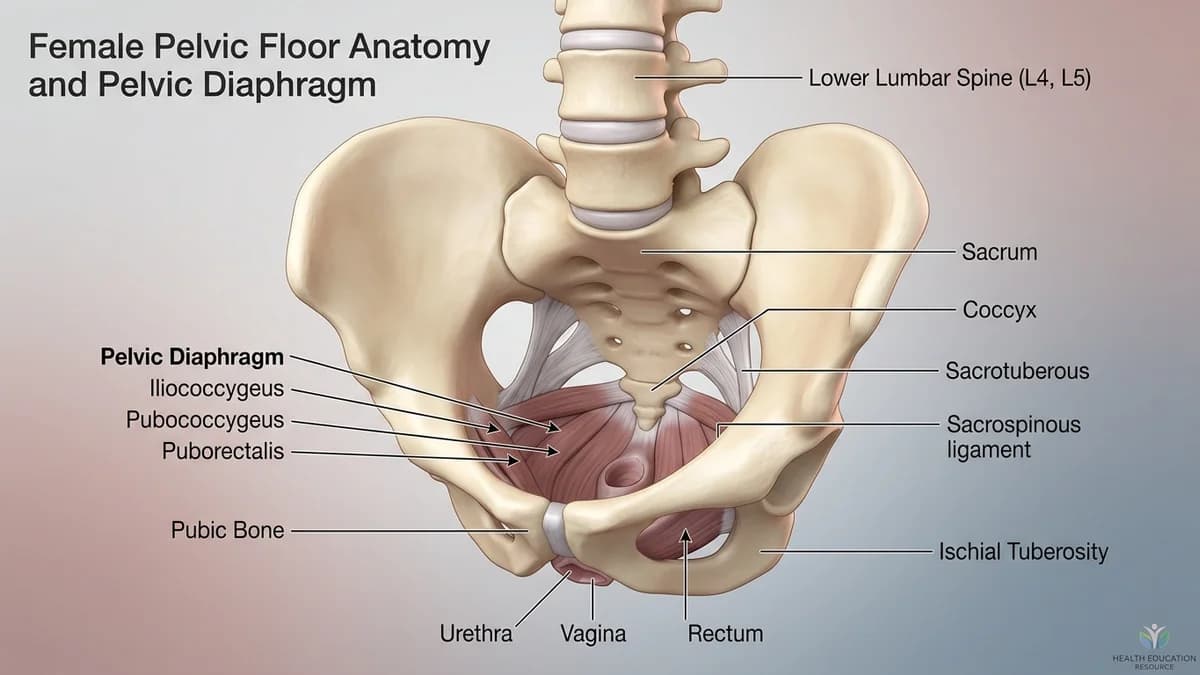
The male pelvic floor consists of the superficial perineal muscles (bulbospongiosus, ischiocavernosus, superficial transverse perineal) and the deeper levator ani complex (puborectalis, pubococcygeus, iliococcygeus). The bulbospongiosus encircles the bulb of the penis and proximal urethra, while the puborectalis loops around the anorectal junction. Prolonged occupational sitting, intense psychological stress, high-impact cycling, or excessive core bracing causes these muscles to lock into chronic spasm. This sustained muscular tension compresses traversing branches of the pudendal nerve, narrows the urethral lumen, and impairs local blood flow, generating referred pain to the tip of the penis, testicles, perineum, and suprapubic region.
2. Domestic Indian Context: Daily Chores, Ergonomics, and Privacy
In India, male pelvic pain is compounded by lifestyle factors and profound social isolation. IT professionals and corporate executives in cities like Bengaluru, Gurgaon, and Mumbai often sit in office chairs for 10 to 12 hours daily, followed by long commutes in traffic. Many men unconsciously clench their pelvic floor when stressed. Societal taboos around male sexual and reproductive health prevent men from speaking openly with partners or family members, leading to severe health anxiety and catastrophic thoughts about prostate cancer. Physiotherapy provides an objective, evidence-based musculoskeletal explanation that breaks the cycle of fear and pain.
3. Clinical Special Tests and Physical Examination
Clinical assessment utilizes the National Institutes of Health Chronic Prostatitis Symptom Index (NIH-CPSI) to quantify pain, urinary symptoms, and quality of life impact. Physical examination includes screening for abdominal trigger points (rectus abdominis and pyramidalis) and gentle digital rectal examination (DRE) by a trained physiotherapist to identify exquisitely tender myofascial trigger points in the puborectalis, obturator internus, and iliococcygeus muscles.
| Clinical Parameter | Acute Bacterial Prostatitis | Chronic Non-Bacterial CPPS | Physiotherapy Implication |
|---|---|---|---|
| Etiology | Active bacterial infection (E. coli, etc.) | Neuromuscular spasm, central sensitisation | Target pelvic muscle spasm and nerve tone |
| Fever and Systemic Signs | High fever, chills, acute malaise | Zero fever, normal blood lab markers | Reassure patient; no infection present |
| Urine / Semen Culture | Positive bacterial culture growth | Negative culture, sterile cultures | Stop repeated courses of antibiotics |
| Effective Treatment | Targeted antibiotic therapy | Pelvic floor physio, down-training, biofeedback | Manual trigger point release, breath pacing |
4. Stage-by-Stage Functional Physiotherapy Protocol
Rehabilitation centres on active down-training, neural parasympathetic calming, and manual deactivation of internal and external pelvic trigger points.
Phase 1: Deep Diaphragmatic Breathing with 'Reverse Kegel' Pelvic Drop
Objective: Mechanically lengthen and down-train the hypertonic male levator ani and bulbospongiosus muscles.
- 1Lie on your back on a firm mat with knees bent and feet flat on the floor, or rest your lower legs on a chair.
- 2Place your hands over your lower abdomen and relax your shoulders and jaw.
- 3Inhale deeply through your nose for 4 seconds, allowing your lower abdomen to expand softly.
- 4As you inhale, consciously focus on gently pushing out and opening your pelvic floor, as if you are passing gas or releasing urine.
- 5Feel your perineum (the area between your testicles and anus) drop softly downward.
- 6Exhale gently through open lips without sucking your belly in or clenching your muscles.
Phase 2: External Obturator Internus and Adductor Foam Rolling
Objective: Deactivate external myofascial trigger points that refer pain into the testicles and groin.
- 1Sit on the floor and place a soft foam roller or tennis ball beneath your right outer buttock.
- 2Cross your right ankle over your left knee in a figure-4 position.
- 3Gently roll slowly over the deep gluteal and piriformis region until you locate a tender knot.
- 4Pause on the tender spot for 30 to 45 seconds while taking slow, deep diaphragmatic breaths until the tension softens.
- 5Switch to the left side and repeat, avoiding direct pressure on the bony tailbone.
Phase 3: Supported Deep Asian Squat (Malasana) Pelvic Expansion
Objective: Achieve maximum functional length in the posterior levator ani and puborectalis muscles.
- 1Stand with your feet wider than shoulder-width, toes turned outward by 30 degrees.
- 2Hold onto a sturdy doorframe or vertical pillar for support.
- 3Lower your hips into a deep, relaxed squat, keeping your heels flat on the floor or supported by a small wedge.
- 4Allow your pelvic floor and rectal area to widen completely toward the floor.
- 5Take 5 slow diaphragmatic breaths, feeling the deep pelvic muscles unclamp before pulling yourself back up.
Seek immediate urological or emergency evaluation if you experience: sudden high fever and chills with acute urinary retention, visible blood in your urine or ejaculate, acute severe testicular swelling and pain (which may indicate testicular torsion), or progressive numbness in the saddle area.
5. Clinic Consultation, Home Visits, and Transparent Fee Benchmarks
In India, under the National Commission for Allied and Healthcare Professions (NCAHP) Act 2021, patients can consult a registered pelvic health physiotherapist directly without an upfront referral, though BookPhysio.in does not ask for one. Male pelvic health physiotherapy is conducted with clinical confidentiality and professionalism in private treatment rooms. Clinic consultations across Indian cities typically range between ₹500 and ₹1,500, with home visits ranging from ₹700 to ₹2,000 where available. Patients pay their physiotherapist directly at each appointment, with zero platform commission.
6. Frequently Asked Questions
Why do my urine and semen cultures keep coming back negative if I feel burning and pain?
In Chronic Pelvic Pain Syndrome, the burning and pain sensations are caused by inflamed, hypertonic pelvic floor muscles compressing the pudendal nerve and irritating the urethra, not by active bacteria. Because there are no bacteria present, standard cultures remain sterile. Treating the condition with repeated antibiotics is ineffective, whereas physiotherapy targeting muscle relaxation addresses the true root cause.
Can pelvic floor down-training improve erectile function and ejaculation pain in men?
Yes. When the bulbospongiosus and ischiocavernosus muscles are in chronic spasm, they compress pudendal nerve branches and restrict arterial inflow and venous regulation during erections, causing pain upon ejaculation. Releasing these muscle spasms and restoring normal resting tone relieves ejaculation pain and supports natural erectile recovery.
Related recovery guides & articles
BookPhysio.in Editorial Team
The BookPhysio.in editorial team writes and maintains this content, checking it against reliable clinical sources. Content follows our medical review policy: general information only, and no page claims a clinical review until a named registered physiotherapist has signed it off.
Read our medical review policy