
Cold Weather Joint Pain and Barometric Pressure: Clinical Thermotherapy Protocols
In short
Winter temperature drops and plunging barometric pressure significantly amplify arthritic pain across India. Discover the physiology of weather-sensitive joint pain, clinical paraffin wax bath protocols, and thermal self-care routines.
In this guide (6 sections)
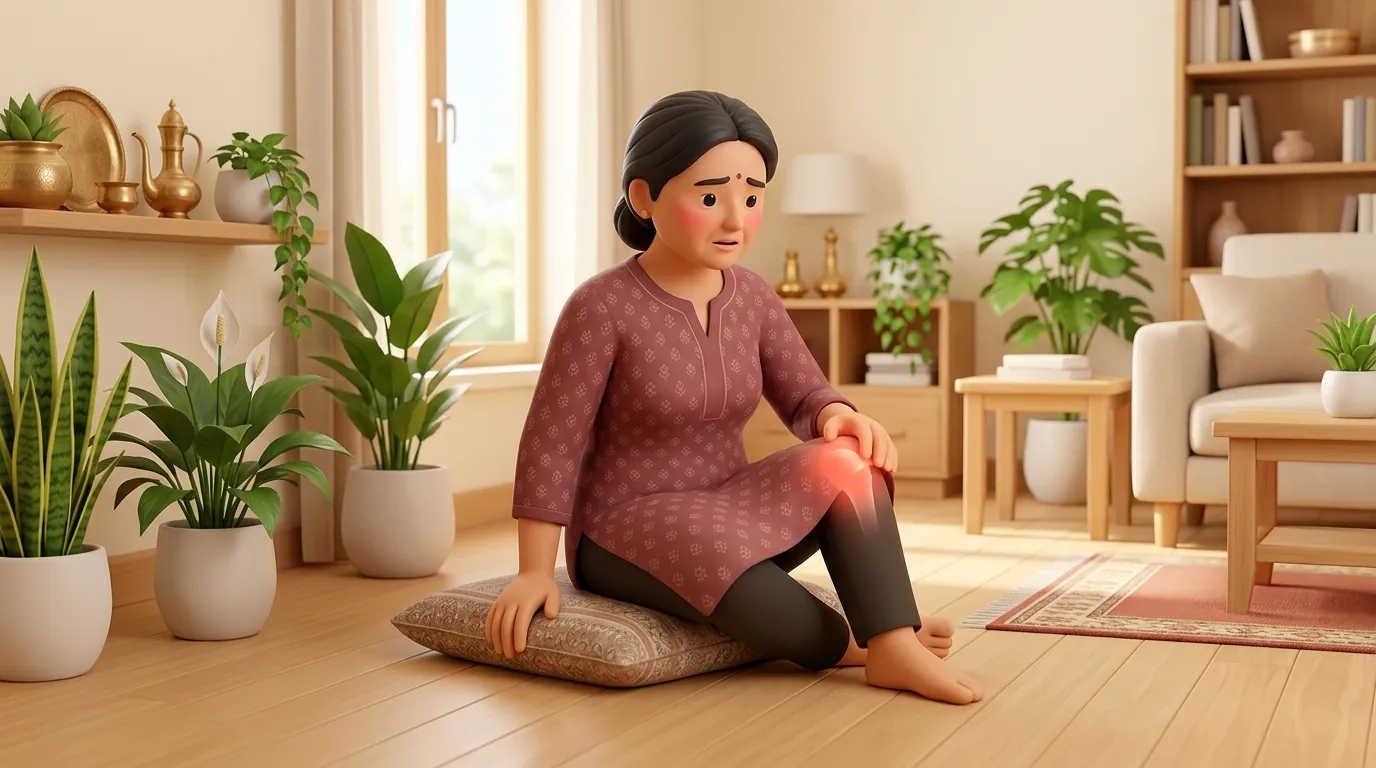
The phenomenon of weather-sensitive joint pain is a well-documented clinical reality for millions of individuals living with rheumatoid arthritis, osteoarthritis, and spondyloarthritis. When winter approaches across northern and central India, drops in ambient temperature accompanied by falling barometric pressure and rising relative humidity trigger marked increases in subjective joint stiffness, aching, and nocturnal pain. Plunging atmospheric pressure allows inflamed synovial capsules to expand slightly against sensitive periarticular nociceptors, while cold exposure triggers cutaneous vasoconstriction, reducing blood supply and thickening synovial fluid. Implementing evidence-based thermotherapy, including clinical paraffin wax baths and systematic thermal layering, is vital to restore comfortable mobility.
Domestic and Cultural Indian Realities
During North Indian winters, indoor residential environments typically lack central heating, resulting in indoor temperatures dropping below 10 degrees Celsius. Sitting on cold marble flooring or touching cold steel utensils in unheated kitchens provokes rapid digital vasospasm, intensifying morning hand stiffness. A common domestic practice involves sitting directly beside radiant open electric heaters or coal braziers (angithi), which poses severe risks of accidental skin burns or carbon monoxide inhalation. Patients must replace dangerous open heating with safe oil-filled radiators, wear thermal compression gloves and woolen socks indoors, and utilize warm water immersion before attempting morning chores.
Clinical Biomechanics and Inflammatory Pathology
The biophysics of cold-induced joint pain involves both fluid dynamics and neural sensitivity. Synovial fluid exhibits thixotropic behavior: at lower temperatures, its viscosity increases exponentially, creating sluggish internal resistance to movement. Concurrently, falling barometric pressure lowers external atmospheric counter-pressure, allowing micro-expansion of fluid-distended joint capsules and inflamed subchondral bone marrow. This micro-expansion mechanically stretches unmyelinated C-fiber nociceptors. Thermotherapy with medical-grade paraffin wax (melting point 48 to 52 degrees Celsius) provides superior heat conduction due to its high latent heat of fusion. Wax immersion delivers prolonged deep thermal energy into small finger joints, softening fibrotic periarticular collagen and lowering synovial viscosity.
Clinical Assessment and Functional Staging
Physiotherapy evaluation includes quantifying morning stiffness duration, tracking its correlation with local meteorological changes. Clinicians assess cutaneous thermal sensitivity and peripheral vascular perfusion (capillary refill time and radial/pedal pulses) before clearing patients for thermotherapy and ensure zero sensory loss from diabetic neuropathy or vasculitis. Hand grip strength and active finger flexion-extension are recorded before and after thermal intervention.
Targeted Mobility and Joint Preservation Exercises
Thermotherapy must always be immediately followed by gentle, active-assisted range of motion while collagen tissues are warm and compliant.
Post-Thermal Warm Water Gentle Hand Opening and Finger Spreading
Objective: Capitalize on decreased synovial viscosity to restore full digital range of motion without joint shear
- 1Submerge your hands in a basin of warm water (38 degrees Celsius) for 10 minutes, or complete a clinical paraffin wax bath.
- 2While hands remain comfortably warm, gently curl your fingers into a loose fist without squeezing tightly.
- 3Slowly open your hands completely flat, gently spreading all fingers wide apart like a fan.
- 4Hold the open hand stretch for 3 seconds, then relax, repeating in a smooth, continuous rhythm.
| Thermotherapy Option | Clinical Benefits & Safe Application | Potential Risks & Precautionary Rules |
|---|---|---|
| Paraffin Wax Bath | Exceptional deep thermal transfer conforming to delicate finger contours | Strictly contraindicated over open skin cuts, active ulcers, or blunted thermal sensation |
| Moist Heat Towels | Readily accessible domestically; provides soothing superficial relaxation | Cools rapidly within 5 minutes; must be temperature-tested to prevent burns |
| Thermal Gloves | Provides continuous mild compression and retains natural body heat during chores | Must not be overly tight, which could restrict digital capillary perfusion |
| Radiant Room Heating | Oil-filled electric radiators providing uniform, safe ambient room warmth | Open-coil radiant heaters and coal angithis posing severe burn and hypoxia hazards |
Red Flags and Immediate Rheumatology Escalation
If cold exposure provokes sudden, extreme tri-phasic colour changes in the fingers (blanching white, turning dusky blue, then bright red) accompanied by severe throbbing pain and non-healing fingertip pits, the patient has severe secondary Raynaud phenomenon with digital ischemia, requiring urgent rheumatological review and vasodilator therapy. Severe monoarticular swelling with skin calor and fever demands emergency evaluation to rule out septic arthritis.
Frequently Asked Questions
Can hot packs or paraffin wax baths permanently reverse winter arthritis aches?
No. Thermotherapy cannot reverse arthritis or alter barometric weather patterns. However, regular warm applications, paraffin wax therapy, and thermal layering help manage morning stiffness, decrease joint viscosity, ease muscular spasms, and significantly improve winter comfort.
How do I book a qualified home physiotherapist to guide winter thermotherapy via BookPhysio.in?
Under the National Commission for Allied and Healthcare Professions (NCAHP) Act 2021, Indian patients enjoy direct access to registered physiotherapists without an obligatory doctor referral. On BookPhysio.in, you schedule an appointment with a verified clinician in your city. Payment is made directly to the therapist at your home appointment via cash or UPI; BookPhysio.in does not process booking fees online.
Related recovery guides & articles
BookPhysio.in Editorial Team
The BookPhysio.in editorial team writes and maintains this content, checking it against reliable clinical sources. Content follows our medical review policy: general information only, and no page claims a clinical review until a named registered physiotherapist has signed it off.
Read our medical review policy