
Multidisciplinary Palliative Coordination: Home Care Collaboration
In short
Collaborative care transforms terminal patient comfort. Discover how palliative physiotherapists, physicians, and nurses synchronize home care in India.
In this guide (5 sections)
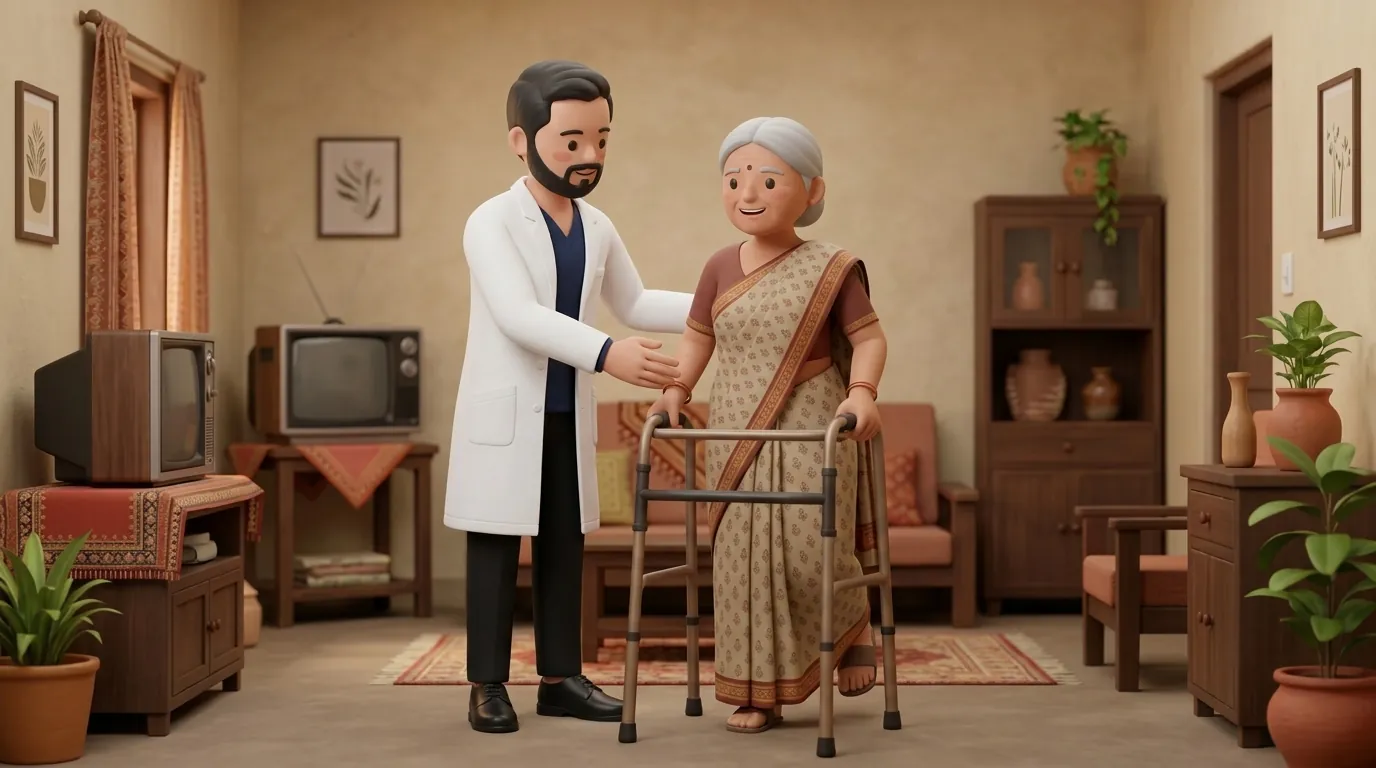
High-quality home palliative oncology relies on coordinated, synchronized communication across a multidisciplinary care team. In home care environments, isolated practitioners working in silos risk duplicating efforts, misaligning medication timing, or missing subtle signs of clinical decompensation. When palliative physicians, visiting oncology nurses, and home physiotherapists coordinate their assessments, patient comfort improves dramatically. Physiotherapists synchronize mobility sessions with analgesic peak windows, share wound and respiratory findings, and reinforce unified goals of care.
Domestic and Cultural Indian Realities
In Indian private home healthcare, families often hire independent practitioners without central coordination: a private physician visited at an outpatient clinic, an agency nurse changing urinary catheters, and an independent visiting physiotherapist. Relatives frequently become overwhelmed, trying to relay complex medical updates between providers who never communicate directly. Palliative physiotherapists establish structured communication channels, such as shared digital messaging groups or a bedside communication binder, bridging professional silos and lifting coordination burdens from anxious families.
Pharmacokinetic Synchronisation with Physical Care
A primary clinical benefit of interdisciplinary coordination is synchronizing physiotherapy visits with analgesic pharmacokinetics. Oral immediate-release morphine sulphate reaches peak plasma concentrations (Cmax) approximately 45 to 60 minutes after ingestion, whereas transdermal fentanyl patches maintain steady-state depot delivery. By communicating visit times with the nursing team, physical positioning, slide sheet turns, and personal grooming are scheduled precisely during the peak analgesic window, eliminating breakthrough pain.
Shared Clinical Monitoring and Escalation Protocols
Visiting physiotherapists serve as valuable clinical monitors, spending extended unhurried time observing skin integrity, respiratory rhythms, and cognitive fluctuations. Clinicians use structured SBAR (Situation, Background, Assessment, Recommendation) communication to alert visiting nurses to early pressure erythema or notify palliative physicians of emerging opioid-induced bowel dysfunction.
Interdisciplinary Analgesia-Mobility Synchronization Drill
Objective: Coordinate analgesic administration with bedside mobility to ensure pain-free care
- 1Review the patient medication chart, identifying the prescribed breakthrough opioid dosing schedule.
- 2Coordinate with the caregiver or visiting nurse to administer oral analgesia 45 minutes before therapy.
- 3Arrive at the bedside, confirming that the elder pain score on the 0-to-10 scale is below 3.
- 4Execute scheduled bed turns, passive range of motion, and grooming smoothly during the peak window.
- 5Record pain response and tolerance in the bedside chart, sharing feedback with the palliative physician.
| Clinical Team Member | Primary Scope of Practice | Collaborative Physiotherapy Interface |
|---|---|---|
| Palliative Physician | Symptom diagnosis; opioid prescribing; prognosis discussions | Adjusts analgesia based on physio movement-related pain reports |
| Visiting Oncology Nurse | Catheter maintenance; syringe drivers; wound dressings | Co-manages fungating wound dressings during seated transfers |
| Palliative Physiotherapist | Comfort positioning; slide sheet transfers; contracture care | Reports early pressure ulcers and respiratory secretion changes |
| Family Caregiver | Round-the-clock physical presence and personal assistance | Receives practical hands-on training for safe daily handling |
Oncological Red Flags and Specialist Escalation
Any acute clinical finding discovered during a physiotherapy session, such as suspected deep vein thrombosis, acute bowel obstruction, or severe opioid toxicity (pinpoint pupils and respiratory rate below 8 breaths per minute), requires immediate phone escalation to the palliative care physician for emergency counter-measures.
Frequently Asked Questions
Why should home physiotherapy be timed around pain medicine?
Performing movements when pain medicines reach peak effectiveness (typically 45 minutes after oral morphine) ensures that transfers, hygiene routines, and gentle exercises occur comfortably without triggering breakthrough pain.
Do I need a doctor referral to consult a home palliative physiotherapist?
Under the National Commission for Allied and Healthcare Professions (NCAHP) Act 2021, patients in India enjoy direct access to registered physiotherapists without requiring a mandatory doctor referral. At BookPhysio.in, you consult verified physiotherapists and pay directly per session without hidden fees or platform commissions.
Related recovery guides & articles
BookPhysio.in Editorial Team
The BookPhysio.in editorial team writes and maintains this content, checking it against reliable clinical sources. Content follows our medical review policy: general information only, and no page claims a clinical review until a named registered physiotherapist has signed it off.
Read our medical review policy