
Geriatric Nocturia: Pelvic Floor Retraining, Fluid Scheduling, and Sleep Hygiene in Indian Seniors
In short
Waking repeatedly at night to urinate disrupts restorative sleep and increases fall risks in elderly adults. Discover evidence-based fluid scheduling and pelvic floor cues to control nocturia.
In this guide (6 sections)
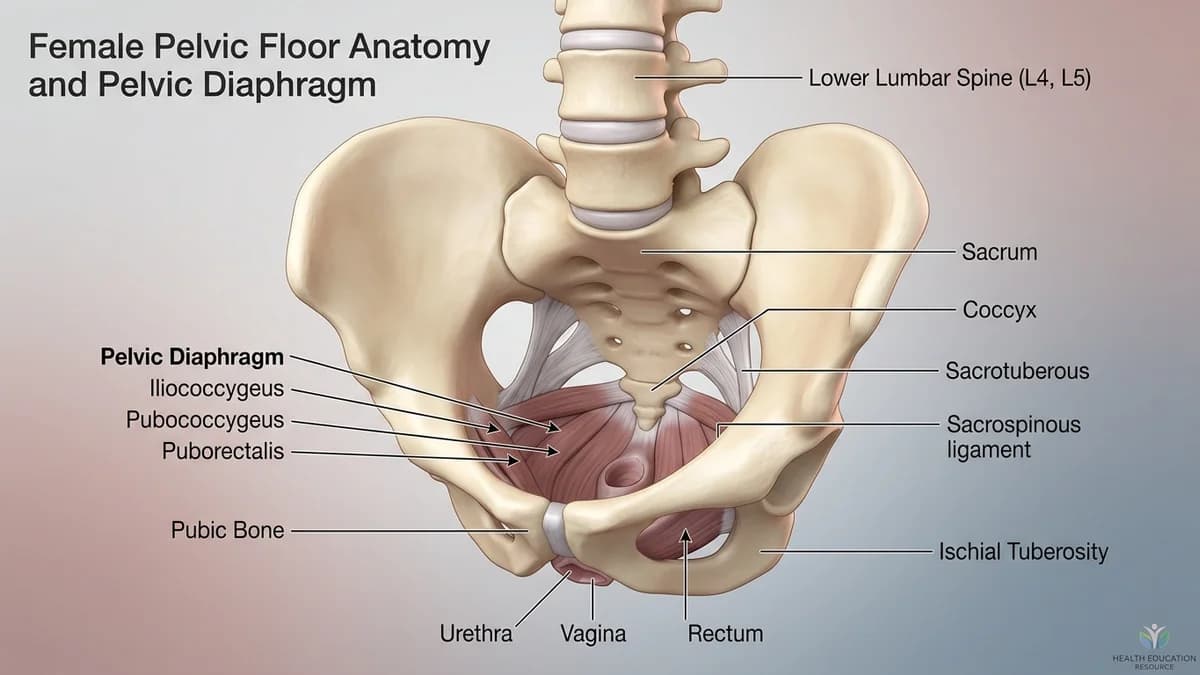
Nocturia, waking two or more times during the night to urinate, is a widespread and disruptive health condition among senior citizens across India. In elderly Indian men, it is frequently attributed solely to benign prostatic hyperplasia (BPH), while in senior women, it is dismissed as normal ageing. However, waking repeatedly through the dark hours severely fragments sleep, increases cardiovascular strain, and represents the leading risk factor for nighttime falls and hip fractures in multi-generational homes. Managing geriatric nocturia requires a multi-factorial physiotherapy approach that addresses nocturnal polyuria, peripheral fluid redistribution, and gentle pelvic floor cues.
1. Functional Biomechanics: Nocturnal Polyuria and Peripheral Fluid Shift
Nocturia arises from two primary mechanisms: reduced functional bladder capacity (due to detrusor overactivity or incomplete emptying) and nocturnal polyuria, where more than 33 percent of daily urine production occurs during sleep. In older adults, age-related decline in nocturnal anti-diuretic hormone (arginine vasopressin) secretion reduces nighttime urine concentration. Furthermore, dependent daytime gravity causes fluid to pool in the lower limbs as dependent edema. When the senior lies flat at night, venous return to the heart increases, stimulating atrial natriuretic peptide release, which prompts the kidneys to excrete large volumes of urine within hours of lying down.
2. Domestic Indian Context: Daily Chores, Ergonomics, and Privacy
Domestic habits in Indian households strongly influence nocturnal bladder behaviour. Drinking hot milk or masala chai late in the evening after dinner, taking diuretic medications with the evening meal, and navigating poorly lit hallways to reach shared family bathrooms create hazards. Rushing to the bathroom in a drowsy state over loose carpets or door thresholds (dehleez) frequently leads to catastrophic slip-and-fall injuries. Physiotherapists collaborate with families to establish safe fluid cut-off schedules, recommend evening leg elevation before bedtime, and ensure clear, illuminated pathways to the bathroom.
3. Clinical Special Tests and Physical Examination
Assessment begins with a comprehensive Frequency-Volume Chart (FVC) completed over 3 days, measuring daytime versus nighttime voided volumes. Clinical examination assesses dependent pitting pedal edema, evaluates post-void residual urine using portable bladder ultrasound to exclude chronic urinary retention, and screens standing balance and gait stability.
| Clinical Parameter | Nocturnal Polyuria | Reduced Bladder Capacity | Mixed Geriatric Nocturia |
|---|---|---|---|
| Urine Output Pattern | Night urine exceeds 33% of 24-hr total | Normal nocturnal volume, small frequent voids | High night volume combined with small capacity |
| Primary Mechanism | Lower extremity fluid reabsorption lying down | Detrusor overactivity, BPH, pelvic hypertonicity | Cardiovascular fluid shifts plus bladder irritability |
| Daytime Symptoms | Normal daytime voiding frequency | Marked daytime urgency and frequency | Both daytime frequency and nighttime awakenings |
| Physiotherapy Target | Afternoon leg elevation, compression stockings | Bladder retraining, gentle pelvic floor cues | Combined fluid timing, leg elevation, pelvic cues |
4. Stage-by-Stage Functional Physiotherapy Protocol
The protocol combines daytime fluid management, afternoon dependent fluid mobilization, and gentle bedtime pelvic floor relaxation.
Phase 1: Late-Afternoon Supine Lower Limb Elevation
Objective: Promote daytime venous reabsorption of pooled leg fluid so excess urine is excreted before bedtime.
- 1Lie on a comfortable bed or sofa with your head supported by a pillow.
- 2Rest your lower legs on two firm pillows so your calves and ankles are elevated slightly above heart level.
- 3Perform 20 slow ankle pumps (pointing toes down and pulling toes up toward your shins) to activate the calf muscle venous pump.
- 4Rest quietly for 30 to 45 minutes, allowing fluid to return to your central circulation.
- 5You will likely need to urinate within 1 to 2 hours after rising, clearing excess fluid before sleep.
Phase 2: Seated Pelvic Floor Awakening and Sensory Retraining
Objective: Maintain light neuromuscular tone to prevent stress leakage while avoiding hypertonic fatigue.
- 1Sit comfortably on a firm chair with feet resting flat on the floor.
- 2Inhale gently through your nose, keeping your shoulders relaxed.
- 3On a soft exhalation, apply a gentle 30 to 40 percent squeeze and upward lift of your pelvic floor.
- 4Hold the contraction for 4 seconds without straining or holding your breath.
- 5Release completely for 6 seconds and verify you feel the muscles soften fully before repeating.
Phase 3: Bedside Urge-Settling and Safe Transfer Routine
Objective: Prevent panic and postural hypotension when waking to urinate during the night.
- 1When you wake up feeling a need to urinate, do not jump out of bed immediately.
- 2Sit upright on the edge of the bed with feet flat on the floor for 15 seconds to let your blood pressure stabilize.
- 3Take 2 slow, deep diaphragmatic breaths through your nose to quiet the urgency wave.
- 4Perform 3 quick, gentle pulses of your pelvic floor to activate bladder-calming reflexes.
- 5Turn on your bedside lamp and walk calmly and deliberately to the bathroom.
Seek medical review promptly if you notice: sudden new onset of nocturnal wetting (enuresis) in bed, visible blood in the urine, painful urination with fever, waking up with shortness of breath and wheezing (suggestive of congestive heart failure), or daytime confusion accompanied by urinary frequency.
5. Clinic Consultation, Home Visits, and Transparent Fee Benchmarks
Under the National Commission for Allied and Healthcare Professions (NCAHP) Act 2021, patients in India can consult a registered physiotherapist directly without an upfront referral, though BookPhysio.in does not ask for one. For senior citizens who experience reduced mobility or frailty, domiciliary home visits allow the physiotherapist to assess the home sleeping environment and bathroom access directly. Clinic consultation fees in Indian cities typically range between ₹500 and ₹1,500, with home visits ranging from ₹700 to ₹2,000 per consultation. Patients pay their physiotherapist directly at each appointment, with zero platform commission.
6. Frequently Asked Questions
What time should seniors stop drinking liquids in the evening to reduce nocturia?
Senior adults should aim to consume approximately 70 percent of their daily fluids between breakfast and 4:00 PM. Reduce fluid intake substantially 2 to 3 hours before sleep, limiting evening drinks to small sips of water with necessary medications. Avoid consuming milk, caffeinated tea, or sweet beverages after dinner.
Can wearing compression stockings during the day help with nighttime urination?
Yes. Wearing knee-high medical compression stockings (15 to 20 mm Hg) during daytime hours prevents fluid from pooling in the lower legs while standing or sitting. When combined with late afternoon leg elevation, this reduces nighttime urine production by up to 40 percent.
Related recovery guides & articles
BookPhysio.in Editorial Team
The BookPhysio.in editorial team writes and maintains this content, checking it against reliable clinical sources. Content follows our medical review policy: general information only, and no page claims a clinical review until a named registered physiotherapist has signed it off.
Read our medical review policy