
Hard Flaccid Syndrome: Sympathetic Overactivity, Pelvic Floor Spasm, and Relaxation Therapy in India
In short
A persistent semi-rigid state of the penis when flaccid, accompanied by pelvic tension and anxiety, is hard flaccid syndrome. Discover evidence-based pelvic physiotherapy and relaxation steps.
In this guide (6 sections)
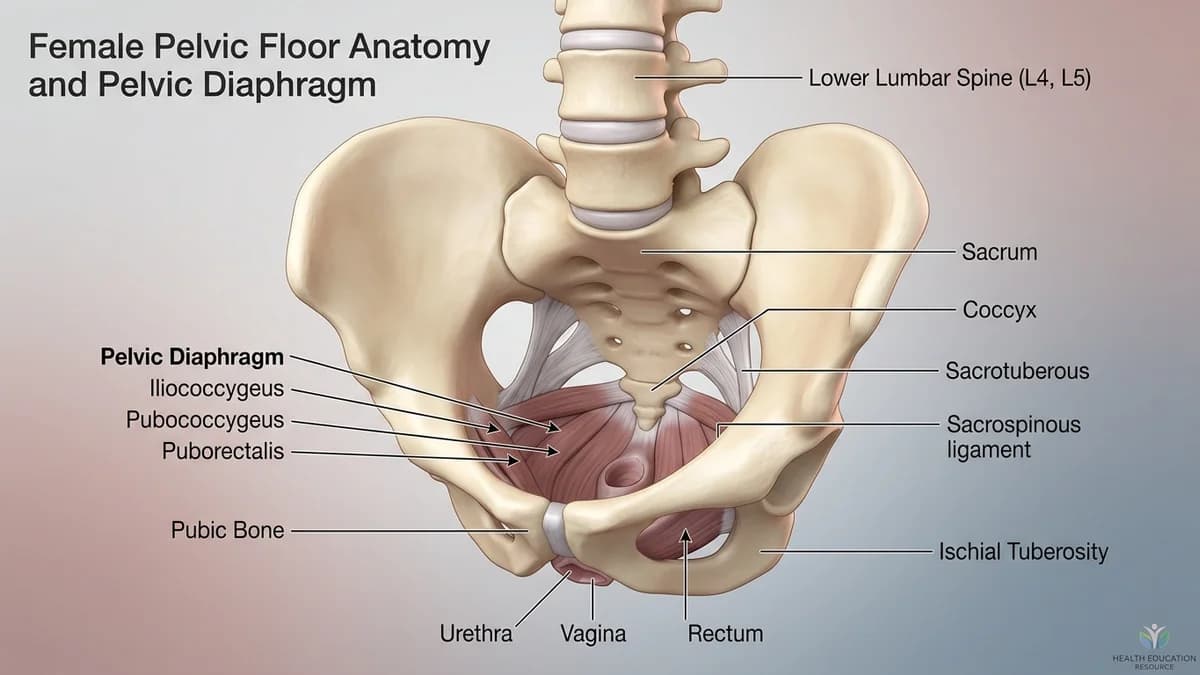
Hard flaccid syndrome (HFS) is a distressing, poorly understood condition that primarily affects young, active men between 18 and 35 years of age. Men with HFS report that their penis remains firm, rubbery, semi-rigid, and contracted even in a non-erect, flaccid state, often accompanied by coldness of the glans, loss of morning erections, penile numbness, and a tight pulling sensation in the perineum. In India, where discussions around male sexual health are shrouded in secrecy and misinformation, young men frequently fall prey to unregulated online forums, unscientific herbal supplements, or deep panic about permanent deformity. Modern clinical evidence reveals that HFS is driven by a localized sympathetic nervous system freeze reflex and severe spasm of the bulbospongiosus and pelvic floor muscles, which can be rehabilitated through specialized physiotherapy.
1. Functional Biomechanics: Autonomic Dysregulation and Bulbospongiosus Spasm
The flaccid state of the penis is normally maintained by balanced sympathetic smooth muscle tone within the cavernous helicine arterioles. Hard flaccid syndrome typically begins following a triggering event: an aggressive masturbation session, rough intercourse, excessive pelvic floor clenching during heavy gym squats, or intense psychological distress. This physical or emotional shock triggers an acute autonomic reflex: sustained high sympathetic outflow releases excessive noradrenaline, causing persistent constriction of the cavernosal smooth muscle. Simultaneously, the striated bulbospongiosus and ischiocavernosus muscles lock into chronic protective spasm, clamping down on the base of the penis and producing the characteristic rubbery, rigid flaccid state.
2. Domestic Indian Context: Daily Chores, Ergonomics, and Privacy
Young Indian men experiencing HFS often navigate high-pressure academic or corporate environments in tech cities, preparing for competitive exams or working long hours at computer screens. The intense anxiety generated by physical symptoms creates a continuous neuro-hormonal loop: worrying about the condition triggers sympathetic adrenaline surges, which further tighten the pelvic floor. Many men compulsively inspect, stretch, or squeeze their penis multiple times a day to check its state, which physically re-injures irritated tissues. Physiotherapists emphasize breaking the panic loop through somatic down-training, eliminating compulsive checking, and adopting gentle floor-based relaxation routines.
3. Clinical Special Tests and Physical Examination
Diagnostic workup focuses on clinical physical evaluation rather than invasive imaging. The clinician assesses abdominal wall tension, evaluates resting tone in the superficial perineal muscles and levator ani, and checks for pelvic tilt asymmetries. Penile Doppler ultrasound, if performed by a urologist, typically shows normal cavernosal architecture and rules out structural vascular shunts (such as high-flow priapism).
| Clinical Feature | Hard Flaccid Syndrome (HFS) | Low-Flow Ischemic Priapism | Clinical Action |
|---|---|---|---|
| State of the Penis | Semi-rigid, rubbery, contracted flaccid | Fully erect, rock hard, engorged glans | HFS is non-emergency; priapism is emergency |
| Pain Severity | Dull perineal ache, pulling sensation | Severe, excruciating, progressive pain | Physiotherapy for HFS vs ER aspiration |
| Tissue Oxygenation | Normal cavernosal blood flow on Doppler | Hypoxic blood trapped, tissue ischemia | Reassure patient; tissues are healthy |
| Effective Management | Pelvic floor down-training, autonomic calm | Emergency surgical or medical drainage | Gradual neuro-muscular re-education |
4. Stage-by-Stage Functional Physiotherapy Protocol
Rehabilitation centres on down-regulating sympathetic nervous tone, eliminating compulsive physical checking, and gently releasing hypertonic pelvic floor muscles.
Phase 1: Physiological Sigh and Parasympathetic Autonomic Reset
Objective: Rapidly shift the autonomic nervous system from sympathetic fight-or-flight to parasympathetic relaxation.
- 1Sit comfortably or lie on your back with your eyes closed.
- 2Take a deep, full breath in through your nose.
- 3At the very top of the breath, take a second quick sharp sip of air to fully expand your lungs.
- 4Exhale slowly and completely through your mouth with a long, unforced sigh lasting 6 to 8 seconds.
- 5Repeat for 5 cycles, feeling your heart rate slow and your pelvic floor naturally soften and drop.
Phase 2: Supported Wide-Leg Wall Squat (Legs-Up-The-Wall Modification)
Objective: Allow gravity to open and lengthen the hypertonic bulbospongiosus and adductor musculature without effort.
- 1Sit on the floor next to an open wall and swing your legs up the wall while lying back flat.
- 2Rest your hips 10 to 15 centimetres away from the baseboard so your lower back rests comfortably flat.
- 3Gently let your legs drift open into a comfortable V-shape.
- 4Place your hands on your lower belly and breathe calmly, allowing the inner groin and pelvic floor muscles to soften.
- 5Focus on the sensation of warmth and relaxation spreading through your lower pelvis.
Phase 3: Progressive Gluteal and Core Motor Re-Education
Objective: Restore functional movement and eliminate excessive anterior core bracing during daily life.
- 1Lie on your back with knees bent at 90 degrees and feet placed flat on the floor.
- 2Inhale to expand your belly softly while keeping your pelvic floor relaxed.
- 3As you exhale, gently bridge your hips upward by 10 centimetres, focusing on gluteus maximus contraction without clenching your perineum.
- 4Lower back down smoothly and verify that your pelvic floor does not tighten at the bottom.
- 5This teaches the body to recruit large hip muscles while keeping the pelvic floor quiet.
Seek immediate emergency medical care if you experience: a sudden, fully rigid erection that lasts longer than 4 hours without sexual stimulation (ischemic priapism), severe excruciating penile pain, sudden loss of bladder or bowel sensation, or blood appearing from the urethra.
5. Clinic Consultation, Home Visits, and Transparent Fee Benchmarks
In India, under the National Commission for Allied and Healthcare Professions (NCAHP) Act 2021, patients can consult a registered pelvic health physiotherapist directly without an upfront referral, though BookPhysio.in does not ask for one. Pelvic health physiotherapists provide compassionate, evidence-based care in private, confidential clinical settings. Outpatient clinic consultations in Indian cities range between ₹500 and ₹1,500, with home visits ranging from ₹700 to ₹2,000 where available. Patients pay their physiotherapist directly at each consultation, with zero platform commission.
6. Frequently Asked Questions
Can hard flaccid syndrome cause permanent damage to the penis?
No. Despite how alarming the symptoms feel, hard flaccid syndrome is a functional neuromuscular and autonomic condition, not a structural deformity or tissue necrosis. Cavernosal blood flow remains intact, and tissues retain their healthy biological capacity. With structured pelvic physiotherapy, stress reduction, and avoiding compulsive manipulation, the condition resolves.
Why does my hard flaccid state get worse when I feel stressed or cold?
Both psychological stress and cold ambient temperatures activate the sympathetic nervous system, causing blood vessels to constrict and smooth muscles to contract as part of a protective reflex. In hard flaccid syndrome, this autonomic sensitivity is heightened. Keeping warm, practicing diaphragmatic breathing, and taking warm baths help calm the sympathetic surge.
Related recovery guides & articles
BookPhysio.in Editorial Team
The BookPhysio.in editorial team writes and maintains this content, checking it against reliable clinical sources. Content follows our medical review policy: general information only, and no page claims a clinical review until a named registered physiotherapist has signed it off.
Read our medical review policy