
Home visit or clinic physiotherapy: how to choose
In short
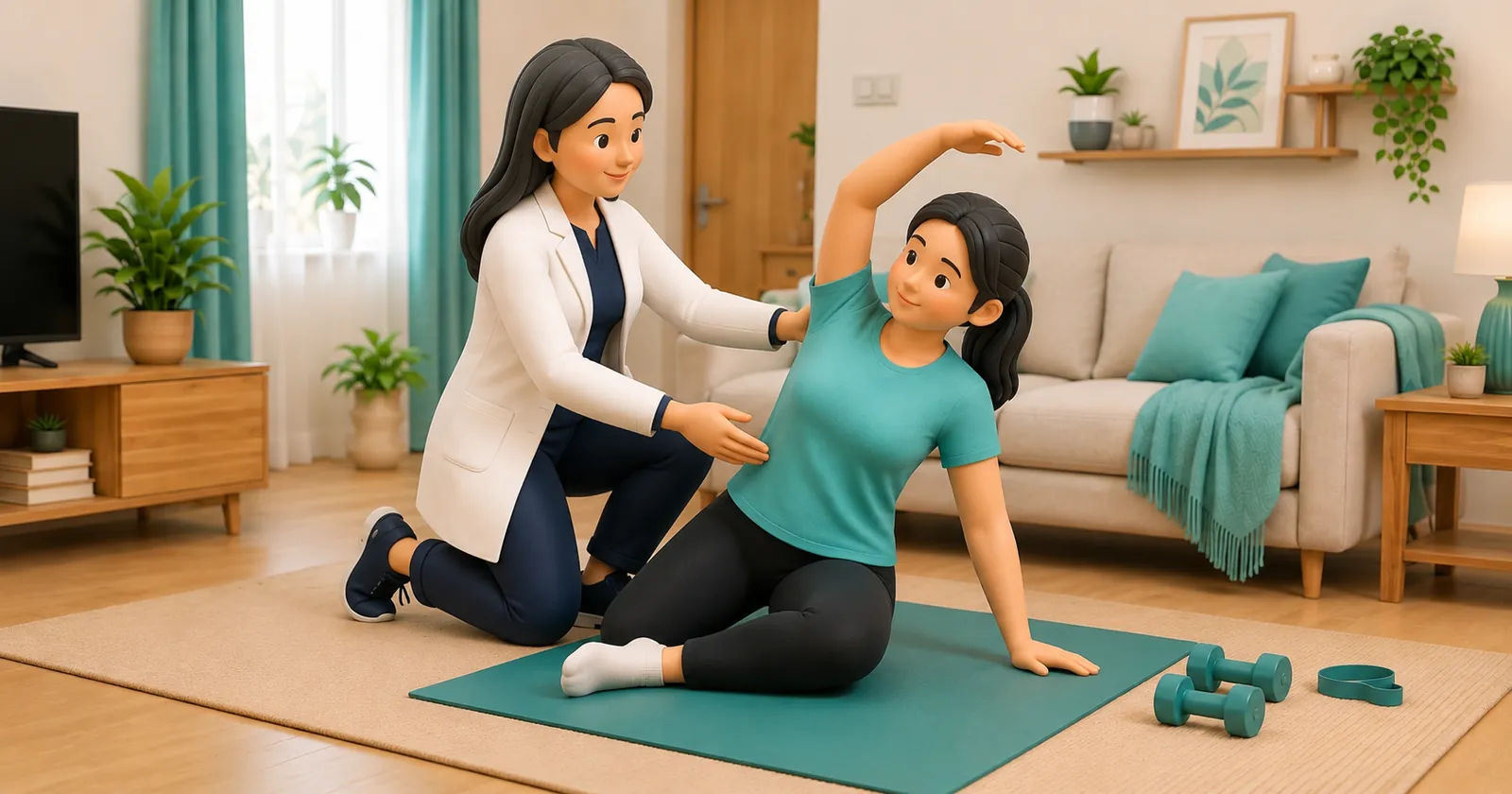
Home and clinic physiotherapy are two service settings. A home visit may reduce travel and lets care happen in the patient’s own environment. A clinic may offer a different setup or equipment. The better choice depends on clinical needs, practical constraints, provider availability, and patient preference.
In this guide (6 sections)
Choosing between receiving physiotherapy at home and travelling to an outpatient clinic is one of the most critical healthcare decisions faced by patients and caregivers across Indian cities. In cities with heavy traffic congestion, variable pavement infrastructure, and crowded transport hubs, travelling for daily therapy can produce substantial physical fatigue and emotional distress. However, both delivery models offer distinct clinical advantages depending on patient mobility, pathology, stage of tissue healing, and functional rehabilitation goals.
Understanding when home-based care is strictly indicated, when an outpatient clinic is clinically superior, and how hybrid transitional rehabilitation models work enables patients to optimize recovery speed while controlling overall expenditure. Rather than viewing home care and clinic care as competing options, evidence-based physical medicine views them as successive phases along a continuous rehabilitation journey.
Clinical Stratification: Matching Patient Pathology to the Right Care Setting
The choice between clinic and home care must be guided by objective clinical criteria rather than convenience alone. Patients with acute post-operative status, fresh fractures, acute neurological injury, or severe cardiopulmonary compromise are poorly equipped to handle the vibration, jarring, and prolonged upright sitting involved in road travel. For an individual in the first two weeks following lumbar spine surgery or total knee replacement, traveling in an auto-rickshaw over speed breakers can trigger intense muscle spasm and joint effusion.
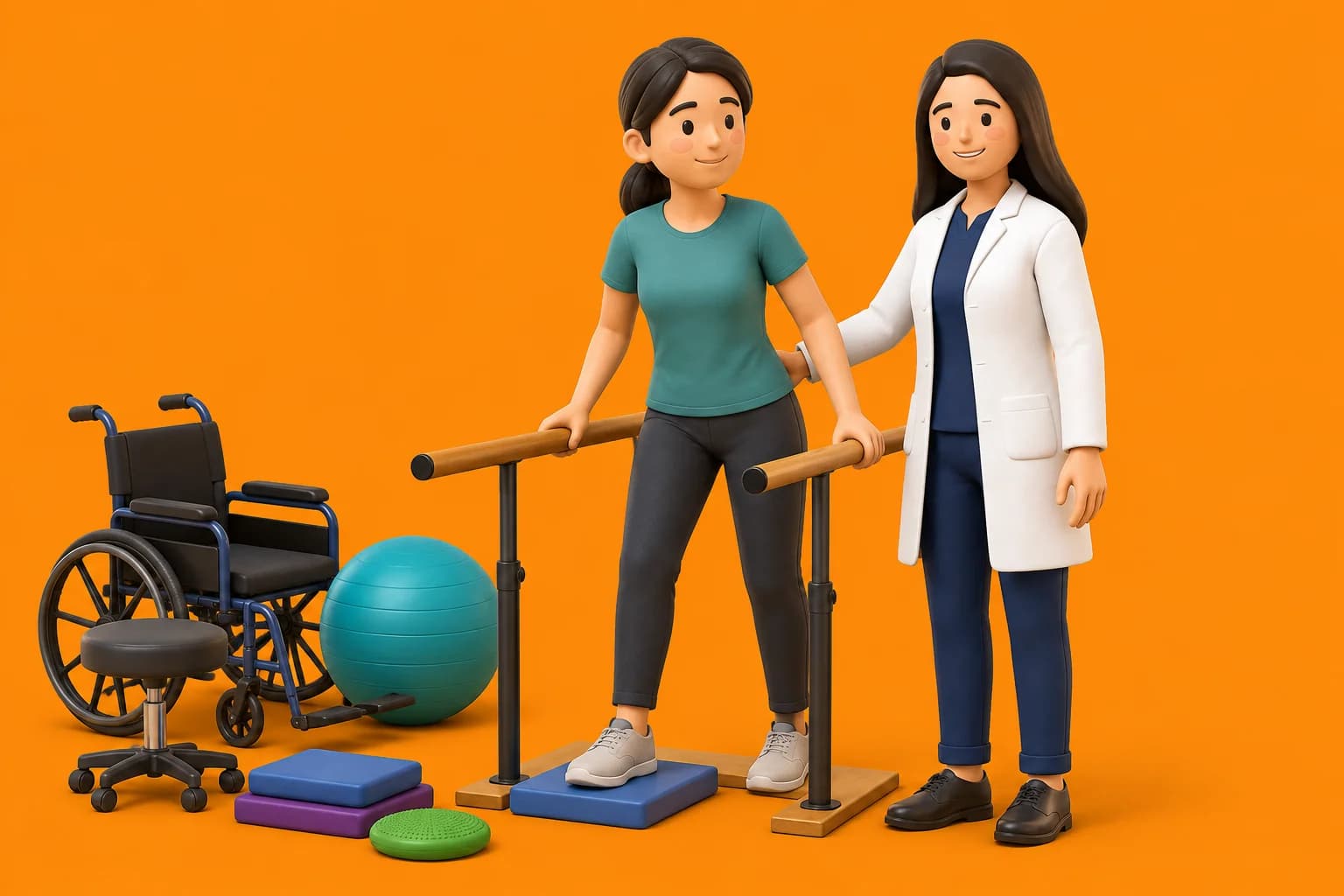
Conversely, patients with chronic musculoskeletal pain, repetitive strain injuries, sports ligament sprains, or general postural dysfunction derive greater benefit from outpatient clinic facilities. Outpatient centres feature specialized strength training machines, leg presses, cable systems, and expansive movement spaces that cannot be brought into a domestic bedroom.
| Clinical and Lifestyle Parameter | Choose Home Visit Physiotherapy When... | Choose Outpatient Clinic When... |
|---|---|---|
| Mobility and Weight-Bearing Status | Patient is non-weight-bearing, uses wheelchair, bedbound, or requires two people for vehicle entry | Patient can walk with stick or unaided, safely manage car or auto travel, and climb basic stairs |
| Primary Rehabilitation Goal | Restoring domestic independence: bed transfers, home toilet sitting, navigating kitchen and hallway clutter | Advanced strength loading, plyometrics, high-speed treadmill gait, sport-specific athletic retraining |
| Caregiver Logistics and Work Disruption | Family members work full-time; eliminates need for 2 hours of transit accompaniment and parking | Caregiver or patient has flexible schedule and reliable private transport to reach appointments |
| Clinical Environment Focus | One-to-one undivided 45 to 60 minute attention in low-distraction, quiet home surroundings | Motivating gym environment with peer interaction, mirrors, and multi-station exercise equipment |
| Financial Consideration (Typical Indian Fees) | ₹600 to ₹2,000 per session direct payment; higher per session but saves ambulance or cab fares | ₹400 to ₹1,500 per session direct payment; lower per visit fee, though commuting costs apply |
| Infection Control Considerations | Zero contact with immunocompromised or sick hospital patients; ideal for frail elderly individuals | Shared clinical waiting rooms and treatment areas; requires strict clinic sanitization protocols |
When Home Physiotherapy is Clinically Essential: The First 30 Days
During early acute and subacute recovery phases, forcing a fragile patient into traffic introduces severe medical risks. Following total knee or hip replacement, excessive knee flexion while cramming into an auto-rickshaw or low car seat can disrupt surgical repairs, provoke acute hematoma formation, or trigger posterior hip dislocation. For post-stroke patients or elderly individuals with severe orthostatic hypotension, the sensory overload and physical jarring of vehicular travel often induce severe exhaustion, rendering subsequent exercise sessions ineffective.
In the domestic setting, the physiotherapist assesses the exact bed height, mattress firmness, toilet commode elevation, and rug trip hazards. Training functional sit-to-stand movements on the patient actual sofa produces vastly superior motor transfer compared to practicing on standardized clinic benches.
When Outpatient Clinic Facilities Deliver Superior Clinical Outcomes
Once a patient achieves safe independent mobility, remaining exclusively in a home environment can stunt functional recovery. Outpatient physiotherapy clinics house specialized resistance machines, cable pulleys, leg press units, balance boards, agility ladders, and therapeutic modalities that cannot be transported in a clinician backpack. For athletic knee ligament tears, advanced rotator cuff tendinopathies, and chronic spinal stabilization, progressive high-load resistance training is essential to stimulate tendon remodeling and muscle hypertrophy.
Additionally, clinic environments provide valuable psychological benefits. Elderly or isolated patients benefit from the social stimulation of stepping outside their home, seeing peers recover from similar injuries, and engaging in active community life.
The Phased Hybrid Model: Structuring a Seamless Transition
The most cost-effective and clinically robust model practiced in modern Indian rehabilitation is the phased hybrid approach. Phase 1 (Weeks 1 to 3) involves 3 to 5 home visits weekly to establish basic motor control, relieve acute edema, and ensure safe home transfers. Phase 2 (Weeks 4 to 6) transitions the patient to 2 clinic visits weekly combined with independent home practice. Phase 3 consists of weekly or bi-weekly clinic monitoring to progress gym loading until full athletic or occupational clearance is achieved.
This stepped progression minimizes caregiver burnout during acute recovery while ensuring the patient eventually accesses the heavy resistance equipment necessary for complete physiological tissue restoration.
Cost-Benefit Economic Analysis: Factoring Hidden Transit Costs in Indian Metros
When calculating the true financial cost of outpatient physiotherapy in Indian cities, families frequently overlook indirect transit expenses. Transporting an elderly or post-operative individual via app-based cabs or wheelchair-accessible transport often costs ₹400 to ₹800 per round trip in cities like Mumbai or Bengaluru. When added to clinic consultation fees (₹500 to ₹1,000), parking charges, and two hours of lost working time for the accompanying family member, the total economic burden frequently exceeds the transparent per-session cost of a dedicated home visit (₹600 to ₹2,000).
Caregiver Physical Fatigue and Psychological Burden in Long-Term Care
Beyond financial metrics, the physical strain on spouses and adult children must be considered. Assisting an unsteady 75-kilogram post-stroke relative down apartment stairs and into a car seat twice a day places caregivers at severe risk of acute lumbar disc herniation and chronic burnout. Domiciliary care transfers handling guidance to the clinician, preserving caregiver health while delivering consistent therapeutic intervention.
Is home physiotherapy more expensive overall than going to a hospital clinic?
While the per-session fee for home visits (₹600 to ₹2,000) is slightly higher than clinic fees (₹400 to ₹1,500) to account for clinician travel, it is often more cost-effective when factoring in avoided cab fares, ambulance booking charges, parking fees, and lost caregiver work hours.
Can neurological conditions like stroke or Parkinson disease be treated at home?
Yes. Evidence strongly supports task-specific home neuro-rehabilitation. Training balance in the patient actual home setting, working on kitchen counter transfers, and navigating domestic thresholds produces meaningful functional independence and prevents hospital readmissions.
How do I know when my parent is ready to switch from home visits to clinic therapy?
A patient is typically ready for clinic visits when they can stand up without arm support, walk 50 to 100 metres continuously with or without a cane, comfortably tolerate sitting in a passenger vehicle, and climb 3 to 5 steps safely.
Do home visit physiotherapists bring electrical stimulation and ultrasound machines?
Most home practitioners carry compact portable TENS, IFT, or neuromuscular electrical stimulation (NMES) units when clinically indicated. However, evidence-based care prioritizes active exercise therapy, manual mobilisation, and gait retraining over passive electrical modalities.
How do I verify the credentials of a home visit physiotherapist in India?
Always confirm the practitioner holds a registered Bachelor of Physiotherapy (BPT) or Master of Physiotherapy (MPT) qualification. Verify their registration number with their State Council (e.g., Delhi, Maharashtra, Gujarat) or central NCAHP register. BookPhysio.in mandates strict credential verification before onboarding.
- World Confederation for Physiotherapy (WCPT): Domiciliary service delivery models and quality standards: https://world.physio
- American Journal of Physical Medicine & Rehabilitation: Comparison of home versus outpatient physical medicine outcomes: https://journals.lww.com/ajpmr
- Journal of the American Medical Directors Association: Transitioning post-acute elderly patients from home to community care: https://www.jamda.com
- National Health Authority of India: Guidelines on home-based allied healthcare delivery: https://nha.gov.in
Related condition guides


BookPhysio.in Editorial Team
The BookPhysio.in editorial team writes and maintains this content, checking it against reliable clinical sources. Content follows our medical review policy: general information only, and no page claims a clinical review until a named registered physiotherapist has signed it off.
Read our medical review policy