
Hypopressive Exercises and Low Pressure Fitness: Abdominal Vacuum and Pelvic Elevation in India
In short
Discover how hypopressive exercises and the abdominal vacuum generate negative intra-abdominal pressure, lifting pelvic organs and toning deep core muscles safely.
In this guide (6 sections)
Hypopressive exercises, modernized into the global clinical discipline known as Low Pressure Fitness (LPF), are a specialized system of postural and respiratory training designed to tone the abdominal wall and pelvic floor without increasing intra-abdominal pressure. Rooted historically in traditional Indian yogic pranayama techniques like Uddiyana Bandha (the abdominal lock), hypopressives were adapted for urogynecological rehabilitation by Dr. Marcel Caufriez. For women in India recovering from childbirth, managing diastasis recti, or coping with mild pelvic organ prolapse, traditional core exercises like crunches and planks often worsen pelvic symptoms by pushing organs downward. Hypopressives achieve the exact opposite: generating negative pressure that lifts the viscera cranially.
1. Functional Biomechanics: The Thoracic Aspiration Reflex and Inverted Pressure Dynamics
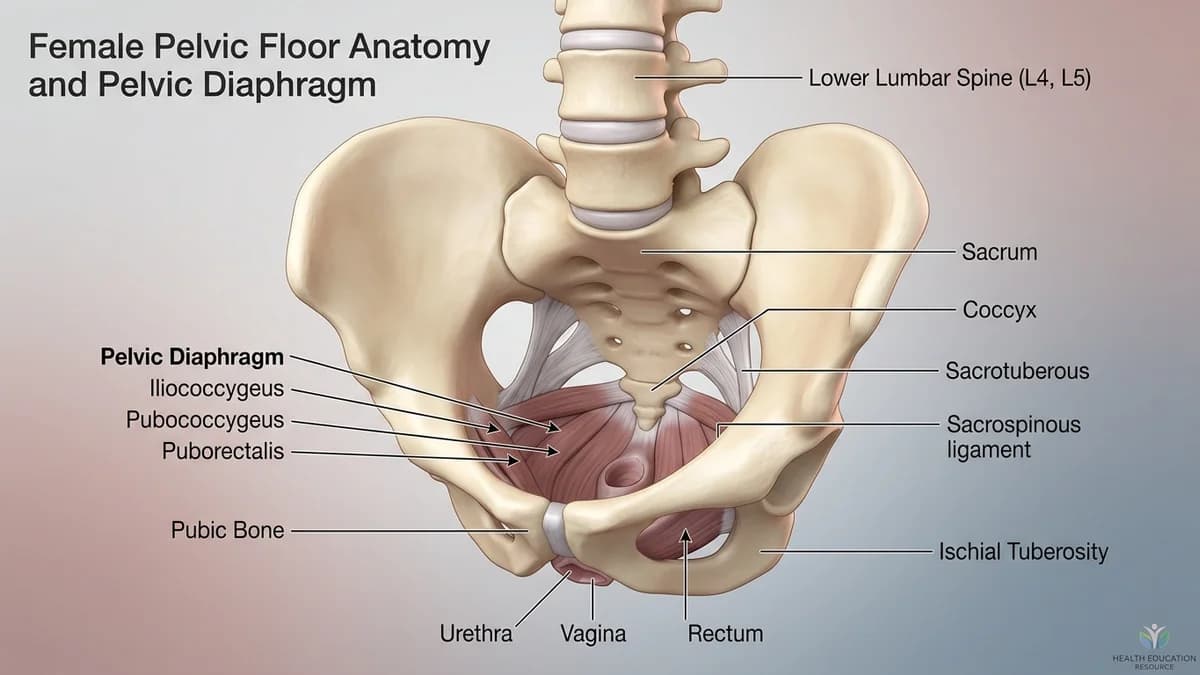
Traditional core exercises increase intra-abdominal pressure (hyperpressive forces). Hypopressives, by contrast, utilize a biomechanical phenomenon known as the thoracic aspiration reflex. The exercise begins with complete exhalation followed by a closed-glottis false inhalation (simulating an inhale without letting any air into the lungs). As the ribcage expands forcefully outward via the external intercostal and serratus anterior muscles, the respiratory diaphragm is drawn upward toward the thoracic cavity. This creates a powerful negative pressure gradient (vacuum effect) in the peritoneal cavity, which pulls the bladder, uterus, and rectum cranially while reflexively co-activating deep transversus abdominis and levator ani fibres.
2. Domestic Indian Context: Daily Chores, Ergonomics, and Privacy
While many Indian women are culturally familiar with yoga pranayama, practicing hypopressives for pelvic health requires precise postural alignment (neutral spine, forward weight shift, and decoaptation of joints) rather than simple stomach sucking. In joint family homes, finding a quiet 15-minute window in the morning on an empty stomach provides an ideal opportunity for practice. Physiotherapists guide mothers through structured postural stages to confirm the vacuum is achieved safely without straining the cardiovascular system or raising blood pressure.
3. Clinical Special Tests and Physical Examination
Assessment evaluates thoracic cage expansion (measuring chest circumference at the xiphoid process during inhalation vs vacuum), resting diaphragm tone, and screening for contraindications (such as hypertension or pregnancy). Transabdominal real-time ultrasound confirms cranial elevation of the bladder base during the hypopressive vacuum.
| Biomechanical Factor | Traditional Crunches (Hyperpressive) | Hypopressive Training (Low Pressure) | Clinical Advantage |
|---|---|---|---|
| Intra-Abdominal Pressure | Spikes sharply upward (>50 mmHg) | Drops significantly into negative pressure | Eliminates all downward stress on pelvic floor |
| Pelvic Viscera Vector | Pushed downward toward genital hiatus | Drawn upward toward thoracic cavity | Relieves pelvic organ prolapse symptoms |
| Linea Alba Response | Stretches and domes outward | Gently approximates with lateral tension | Supports safe diastasis recti recovery |
| Postural Alignment | Thoracic flexion and kyphotic slouching | Active spinal elongation and chest opening | Improves overall posture and lung capacity |
4. Stage-by-Stage Functional Physiotherapy Protocol
Training progresses through precise postural setup, mastering the expiration apnoea, and opening the ribcage under vacuum.
Phase 1: Supine Postural Setup and Diaphragmatic Priming (Venus Pose)
Objective: Align the spine and prepare the respiratory diaphragm for the hypopressive vacuum.
- 1Lie on your back on a firm mat with knees bent at 90 degrees and ankles dorsiflexed with heels pressing into the floor.
- 2Elongate your spine, tuck your chin slightly, and place your arms at your sides with elbows slightly bent and palms pressing toward your feet.
- 3Inhale deeply through your nose for 2 seconds, feeling your lower ribs expand sideways.
- 4Exhale slowly and completely through open lips for 4 seconds as if fogging a mirror, releasing every drop of air from your lungs.
- 5Repeat for 3 complete breathing cycles to prime the diaphragm.
Phase 2: The Expiratory Apnoea and Ribcage Vacuum (The 'Aspiration')
Objective: Generate negative intra-thoracic pressure to pull the pelvic viscera and deep core muscles upward.
- 1At the end of your third complete exhalation, close your throat (glottis) so no air can enter.
- 2Without breathing in, actively expand your ribcage outward as if taking a huge breath of air.
- 3Observe your lower abdomen naturally suck inward and upward beneath your ribcage like an empty bowl.
- 4Hold this comfortable vacuum for 4 to 8 seconds, feeling an upward lifting sensation in your pelvis.
- 5Gently release your ribcage and take a smooth, calm inhalation through your nose without gasping.
Phase 3: Standing Quadruped Hypopressive (Maya Pose)
Objective: Use gravity in a four-point posture to maximize visceral decompression and abdominal wall toning.
- 1Assume a tabletop position on all fours with wrists under shoulders and knees under hips.
- 2Flex your ankles so your toes are tucked, and bend your elbows slightly outward.
- 3Elongate your neck and gaze down between your hands.
- 4Perform 3 full breaths, exhale all air completely, and initiate the ribcage vacuum.
- 5Hold for 6 to 10 seconds, feeling your viscera pull up toward your spine, then inhale smoothly.
Hypopressive exercises are strictly contraindicated during pregnancy and in individuals with uncontrolled systemic arterial hypertension, severe cardiac arrhythmia, or inflammatory bowel disease flare-ups. Discontinue immediately if you experience dizziness, chest pain, or severe shortness of breath.
5. Clinic Consultation, Home Visits, and Transparent Fee Benchmarks
Under the National Commission for Allied and Healthcare Professions (NCAHP) Act 2021, patients in India can consult a registered pelvic health physiotherapist directly without an upfront referral, though BookPhysio.in does not ask for one. Certified Low Pressure Fitness physiotherapists teach hypopressives in private, specialized clinical studios. Clinic sessions in Indian cities range between ₹500 and ₹1,500, with home visits ranging from ₹700 to ₹2,000 where available. Patients pay their physiotherapist directly at each consultation, with zero platform commission.
6. Frequently Asked Questions
How are hypopressive exercises different from traditional yoga Uddiyana Bandha?
While both utilize an abdominal vacuum, hypopressives incorporate precise neurodynamic postural parameters, such as spinal elongation, cervical lengthening, ankle dorsiflexion, and active joint decoaptation. This specific biomechanical combination is designed to maximize pelvic floor and transversus abdominis co-activation while avoiding excessive blood pressure spikes.
When is the best time of day to practice hypopressives in India?
Hypopressives must always be practiced on an empty stomach and an empty bladder. Early morning before breakfast is the ideal time. Avoid practicing right before bedtime, as the autonomic stimulation and deep breathing can increase alertness and interfere with falling asleep.
Related recovery guides & articles
BookPhysio.in Editorial Team
The BookPhysio.in editorial team writes and maintains this content, checking it against reliable clinical sources. Content follows our medical review policy: general information only, and no page claims a clinical review until a named registered physiotherapist has signed it off.
Read our medical review policy