
Indian Toilet Squatting vs Western Commode: Pelvic Floor Biomechanics and the 35-Degree Angle in India
In short
Is the traditional Indian squat toilet better for your pelvic floor than a modern western commode? Learn the science of the 35-degree anorectal angle and how to adapt your bathroom.
In this guide (6 sections)
The debate between traditional Indian squat toilets (Orissa pan) and modern western commodes is one of the most culturally grounded debates in Indian domestic health. While western commodes offer convenience for elderly individuals and those with osteoarthritis of the knees, they introduce an un-physiological posture for bowel evacuation. Epidemiological data in urban India shows that as western commodes replaced traditional squat pans in urban apartments, complaints of chronic constipation, hemorrhoids (piles), and pelvic floor straining increased significantly. From a functional musculoskeletal perspective, understanding the biomechanics of the anorectal angle reveals how to merge the comfort of a western seat with the anatomical superiority of a natural squat.
1. Functional Biomechanics: The 90-Degree Kink versus the 35-Degree Evacuation Funnel
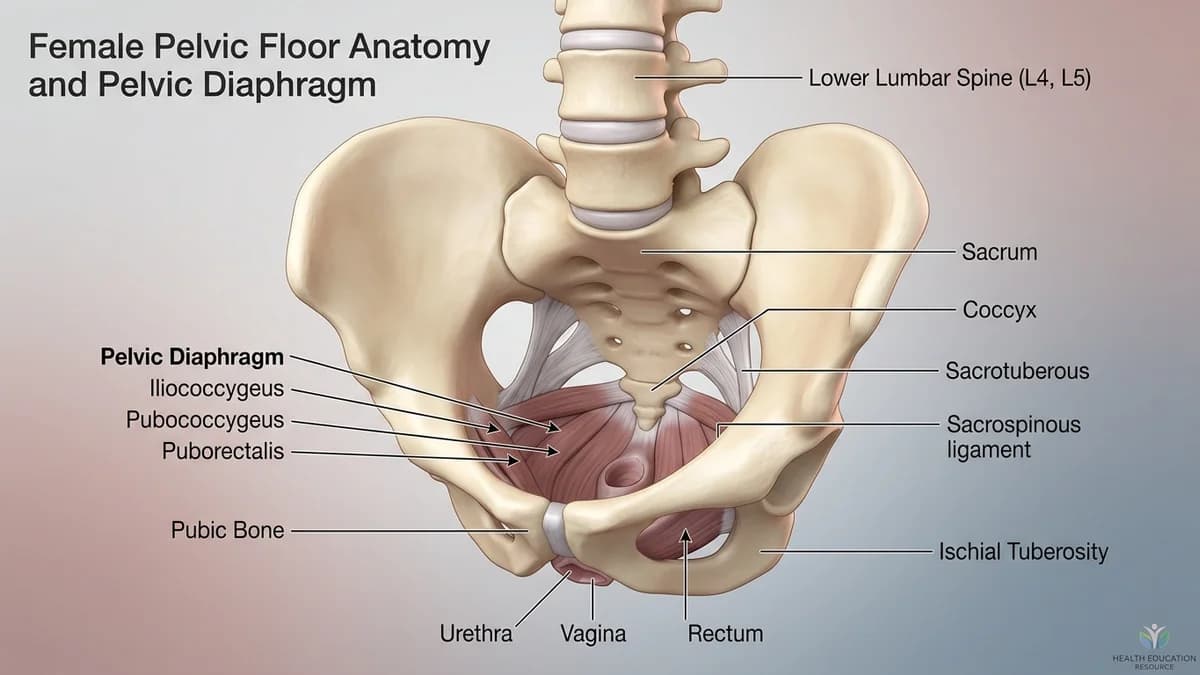
Human anorectal anatomy was biologically designed to evacuate in a full squat. When standing or sitting upright on a western commode, the thighs form a 90-degree angle with the torso. In this position, the puborectalis muscle remains partially contracted, pulling the rectum forward to maintain an acute 90-degree anorectal angle that preserves continence. In a full squat, achieved on an Indian toilet or simulated with a footstool, the thighs flex to approximately 35 degrees relative to the torso. This hip flexion relaxes the puborectalis sling completely, allowing the anorectal canal to straighten into a direct, unobstructed vertical funnel, requiring up to 70 percent less intra-abdominal pressure to pass stool.
2. Domestic Indian Context: Daily Chores, Ergonomics, and Privacy
In multi-generational Indian households, bathrooms must serve varied generational needs. Grandparents with severe knee arthritis, lumbar spondylosis, or balance deficits find traditional squat pans hazardous and painful, yet younger family members frequently strain on high western commodes. Furthermore, squatting on a traditional pan can exacerbate pelvic organ prolapse or severe hemorrhoids if prolonged straining occurs. Physiotherapists bridge this generational divide by recommending portable, non-slip 7 to 9-inch toilet footstools for western commodes, providing healthy anorectal alignment for younger family members while preserving safe, easy access for elders.
3. Clinical Special Tests and Physical Examination
Assessment evaluates hip flexion range of motion, ankle dorsiflexion mobility, and functional squatting tolerance. The clinician assesses pelvic floor resting tone in seated versus squatting postures using surface EMG or real-time transabdominal ultrasound to confirm puborectalis relaxation.
| Biomechanical Metric | Traditional Indian Squat Toilet | Standard Western Commode (90°) | Western Commode + Footstool (35°) |
|---|---|---|---|
| Hip Flexion Angle | Approximately 35 degrees | 90 degrees (upright seated) | 35 degrees (elevated knees) |
| Anorectal Alignment | Completely straight (130-140°) | Kinked (80-90° choke point) | Straightened (125-135°) |
| Required Straining Pressure | Minimal physiological push | High Valsalva straining required | Low physiological push |
| Knee Joint Stress | High patellofemoral compressive load | Zero joint stress (comfortable) | Zero joint stress (supported) |
4. Stage-by-Stage Functional Physiotherapy Protocol
Whether using a western commode with a footstool or adapting an Indian squat pan, mastering proper evacuation breathing prevents pelvic tissue strain.
Phase 1: Setting the 35-Degree Ergonomic Posture on a Western Commode
Objective: Align the puborectalis and rectum into a straight evacuation vector without knee strain.
- 1Sit fully on the western commode seat.
- 2Place your feet on a 7 to 9-inch bathroom footstool positioned at the base of the toilet.
- 3Position your feet flat and hip-width apart so your knees rest clearly higher than your hip joints.
- 4Lean forward from your hips with a straight, elongated spine, resting your elbows or forearms lightly on your knees.
- 5Allow your abdominal wall to soften forward naturally without sucking your stomach in.
Phase 2: The Open-Glottis 'Blow As You Go' Evacuation Maneuver
Objective: Prevent harmful Valsalva breath holding that strains pelvic support ligaments.
- 1Once in the 35-degree seated posture, inhale softly through your nose into your belly.
- 2As you feel the natural rectal contraction arrive, gently exhale through open lips making a soft, continuous 'ffff' or 'shhh' sound.
- 3Gently widen your lower waistline outward as you blow, allowing the pelvic floor to drop downward.
- 4Never hold your breath or push down with purple-faced effort.
- 5Allow 3 to 4 relaxed breathing cycles for stool to pass smoothly.
Phase 3: Ankle Dorsiflexion Mobility Drill for Safe Floor Squatting
Objective: Improve ankle mobility to allow safe squatting on Indian toilets without heel lifting.
- 1Stand facing a wall with your toes 8 centimetres away from the baseboard.
- 2Keep your right heel firmly glued to the floor.
- 3Drive your right knee forward toward the wall until it touches, keeping your heel flat.
- 4Hold for 3 seconds, then return to the starting position.
- 5Repeat 10 times, then switch to the left foot to build dorsiflexion range needed for deep floor squatting.
Seek immediate medical consultation if you experience: sudden rectal prolapse (tissue visibly protruding through the anus that does not reduce), passing maroon or black tarry stools, unremitting severe rectal pain, or inability to pass gas or stool accompanied by abdominal distension and vomiting.
5. Clinic Consultation, Home Visits, and Transparent Fee Benchmarks
Under the National Commission for Allied and Healthcare Professions (NCAHP) Act 2021, patients in India can consult a registered pelvic health physiotherapist directly without an upfront referral, though BookPhysio.in does not ask for one. Pelvic physiotherapists evaluate personal bathroom ergonomics and physical limitations to provide customized toilet adaptations. Outpatient clinic consultations in Indian cities range between ₹500 and ₹1,500, with home visits ranging from ₹700 to ₹2,000 where available. Patients pay their physiotherapist directly at each consultation, with zero platform commission.
6. Frequently Asked Questions
Can using a footstool on a western toilet prevent hemorrhoids (piles)?
Yes. Hemorrhoids are swollen venous cushions caused by excessive downward intra-abdominal pressure during straining. Raising your feet onto a footstool straightens the anorectal canal, allowing you to pass stool with minimal straining. This significantly reduces venous engorgement and helps prevent both new hemorrhoids and painful flare-ups.
Should pregnant women in India use an Indian squat toilet or a western commode?
If a pregnant woman has good balance and healthy knees, gentle squatting on an Indian toilet can strengthen pelvic muscles and prepare the pelvis for birth. However, in the third trimester, or in women with symphysis pubis dysfunction (SPD) or pelvic organ prolapse, deep floor squatting places excessive strain on pelvic joints. In such cases, a western commode with a footstool is much safer.
Related recovery guides & articles
BookPhysio.in Editorial Team
The BookPhysio.in editorial team writes and maintains this content, checking it against reliable clinical sources. Content follows our medical review policy: general information only, and no page claims a clinical review until a named registered physiotherapist has signed it off.
Read our medical review policy