
Pelvic Health in Indian Transport Drivers: Whole-Body Vibration, Prostatitis, and Pelvic Spasm
In short
Prolonged sitting on vibrating vehicle seats causes severe pelvic pain, urinary burning, and prostatitis in commercial drivers. Discover evidence-based physiotherapy relief.
In this guide (6 sections)
Commercial transport drivers in India, including long-haul truck drivers navigating national highways, state transport bus drivers, and urban autorickshaw and cab drivers, represent an occupational group at extraordinarily high risk for severe pelvic floor dysfunction. Operating vehicles for 10 to 14 hours daily on uneven roads subjects the driver to continuous low-frequency whole-body vibration (WBV) and repetitive mechanical shocks. Commercial drivers frequently suffer from debilitating deep perineal pain, testicular aching, urinary burning, weak stream, and erectile dysfunction, commonly misdiagnosed as recurrent bacterial prostatitis. Pelvic floor physiotherapy, vibration damping, and practical occupational ergonomics restore comfort and protect livelihood.
1. Functional Biomechanics: Whole-Body Vibration (WBV) Resonance and Pudendal Microtrauma
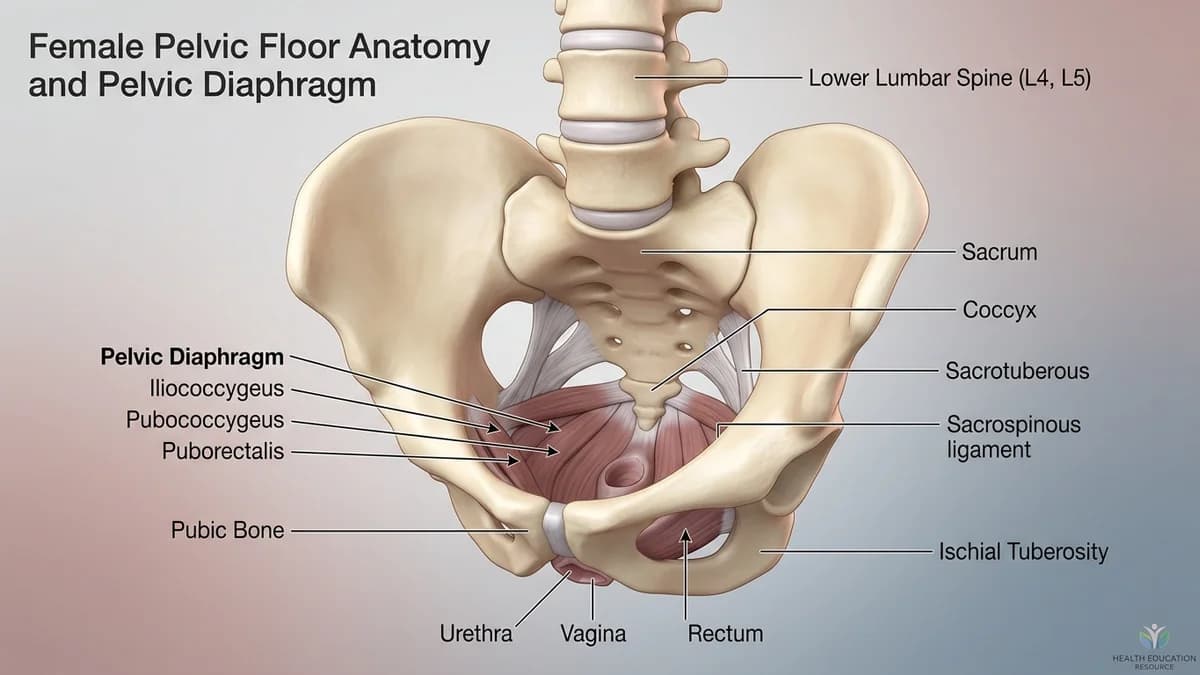
Motor vehicles generate vertical whole-body vibrations in the range of 2 to 20 Hz, which closely matches the natural resonant frequency of the human pelvis and spine (4 to 8 Hz). At resonance, vibrational energy is amplified rather than dampened. Sitting on poorly cushioned, unpadded vehicle seats concentrates this amplified vibrational shock directly onto the ischial tuberosities and perineal body. This continuous mechanical vibration induces tonic reflex contraction in the levator ani and bulbospongiosus muscles. Over time, the hypertonic muscles compress the internal pudendal artery and pudendal nerve against the pubic rami, generating local ischemia, neurogenic inflammation, and non-bacterial prostatic congestion.
2. Domestic Indian Context: Daily Chores, Ergonomics, and Privacy
The occupational realities of Indian commercial drivers create severe barriers to pelvic health. Drivers work grueling schedules with minimal rest breaks, often holding urine for hundreds of kilometers due to a lack of hygienic highway dhabas or public facilities. In addition, drivers consume large amounts of highly spiced, caffeinated highway tea (kadak chai) and smoke bidis or chew tobacco, which severely irritates the bladder lining. In autorickshaws, unpadded bench seats over stiff rear leaf springs transmit every road bump directly into the perineum. Physiotherapists design realistic, low-cost interventions: vibration-damping high-density foam seat cushions, structured 2-minute highway rest-stop stretches, and hydration strategies.
3. Clinical Special Tests and Physical Examination
Assessment evaluates the NIH-Chronic Prostatitis Symptom Index (NIH-CPSI) score. Physical examination assesses lumbar spine stiffness, tests the obturator internus and piriformis muscles for severe spasm, and performs digital examination to evaluate levator ani hypertonicity and pudendal nerve tenderness.
| Driving Hazard | Pathophysiological Mechanism | Clinical Symptom | Physiotherapy Occupational Solution |
|---|---|---|---|
| Whole-Body Vibration (WBV) | Resonant amplification in pelvic floor | Deep perineal ache, testicular burning | High-density foam / gel seat cushion |
| Prolonged Highway Sitting | Compressive ischemia of pudendal artery | Numbness, erectile dysfunction | Standing rest break every 2 hours |
| Infrequent Urination Habits | Bladder over-distension & sphincter spasm | Urinary hesitancy, weak stream | Scheduled highway urination breaks |
| Dietary Irritants (Chai / Bidi) | Acidic, caffeinated urothelial burn | Severe urgency, penile tip burning | Increase water intake, reduce bidi/tea |
4. Stage-by-Stage Functional Physiotherapy Protocol
Rehabilitation centres on immediate mechanical vibration damping, active highway mobility micro-breaks, and evening pelvic down-training.
Phase 1: High-Density Ergonomic Driver Seat Cushion Fitting
Objective: Dampen whole-body vibration and relieve direct perineal pressure during driving hours.
- 1Fit a high-density polyurethane or viscoelastic gel cushion on top of your driver seat.
- 2Ensure the cushion has a central groove or open cut-out channel to suspend the perineum freely.
- 3Adjust your seat angle so your hips are slightly higher than your knees, keeping your lumbar spine supported with a small roll.
- 4Avoid sitting directly on worn springs or hard wooden planks.
Phase 2: The 'Highway Dhaba' 2-Minute Rest-Stop Routine
Objective: Restore arterial blood flow to the pudendal vessels and decompress hip rotators after long drives.
- 1Step out of the vehicle and stand tall on flat ground.
- 2Place your hands on your hips and gently circle your pelvis in large circles: 5 times clockwise, 5 times counter-clockwise.
- 3Take a wide step back with your right leg, keeping your torso tall to stretch your right hip flexor for 20 seconds.
- 4Repeat on the left leg.
- 5Take 3 deep breaths, consciously letting your pelvic floor relax and drop downward before getting back into the cabin.
Phase 3: Evening Deep Asian Squat (Malasana) Pelvic Unclamping
Objective: Release chronic muscle spasm accumulated across 10+ hours of occupational sitting.
- 1Stand with feet shoulder-width apart, holding onto a sturdy bedframe or truck bumper.
- 2Lower into a deep, relaxed squat, keeping your heels flat or supported on a small wooden wedge.
- 3Allow your pelvic floor and rectal area to widen completely toward the floor.
- 4Take 5 slow diaphragmatic breaths, feeling the deep pelvic muscles unclamp.
- 5Stand up smoothly, training your nervous system that releasing pelvic tension is safe.
Seek immediate medical consultation if you experience: sudden high fever and chills with acute inability to pass urine (acute bacterial prostatitis or retention), visible blood in your urine or ejaculate, sudden loss of bowel control, or severe unrelenting pain in the groin or testicles.
5. Clinic Consultation, Home Visits, and Transparent Fee Benchmarks
Under the National Commission for Allied and Healthcare Professions (NCAHP) Act 2021, patients in India can consult a registered pelvic health physiotherapist directly without an upfront referral, though BookPhysio.in does not ask for one. Pelvic health physiotherapists evaluate commercial drivers in modern clinical suites, providing hands-on muscle release and ergonomic guidance. Clinic consultations in Indian cities range between ₹500 and ₹1,500, with home visits ranging from ₹700 to ₹2,000 where available. Patients pay their physiotherapist directly at each consultation, with zero platform commission.
6. Frequently Asked Questions
Can driving an autorickshaw cause permanent erectile dysfunction in India?
Driving on vibrating, unpadded seats compresses the pudendal nerve and internal pudendal artery, temporarily impairing erectile firmness and sensation. However, this is temporary neuropraxia, not permanent damage. Using a vibration-damping cut-out seat cushion and performing pelvic physiotherapy restores normal nerve function and full erectile strength.
Why do antibiotics fail to cure my driver's pelvic pain and urinary burning?
In over 90 percent of commercial drivers with chronic pelvic aching, the symptoms are caused by chronic pelvic muscle spasm and nerve irritation from vehicle vibration, not by bacteria. Antibiotics cannot relax spastic muscles or repair compressed nerves. Pelvic floor physiotherapy and ergonomic seat cushions address the true physical cause.
Related recovery guides & articles
BookPhysio.in Editorial Team
The BookPhysio.in editorial team writes and maintains this content, checking it against reliable clinical sources. Content follows our medical review policy: general information only, and no page claims a clinical review until a named registered physiotherapist has signed it off.
Read our medical review policy