
Male Pelvic Floor Dysfunction: Cycling Neuropathy, Pudendal Entrapment, and Erectile Recovery in India
In short
Perineal numbness, erectile changes, and pelvic pain from cycling or long commuting are reversible with proper biomechanics. Learn how pelvic physiotherapy restores nerve glide and blood flow.
In this guide (6 sections)
With the growing popularity of endurance cycling, triathlon training, and long motorized two-wheeler commuting across Indian cities, male pelvic floor dysfunction and cycling-induced pudendal neuropathy have surged. Men frequently experience genital numbness, a cold sensation at the tip of the penis, difficulty sustaining rigid erections, and deep aching in the perineum after a ride. In India, where sexual wellness and athletic performance are rarely discussed openly, men often panic, fearing permanent impotence, or discontinue physical fitness entirely. Understanding how saddle pressure compresses the pudendal neurovascular bundle empowers cyclists to modify equipment and restore full erectile function through physiotherapy.
1. Functional Biomechanics: Alcock Canal Compression and Cavernosal Hemodynamics
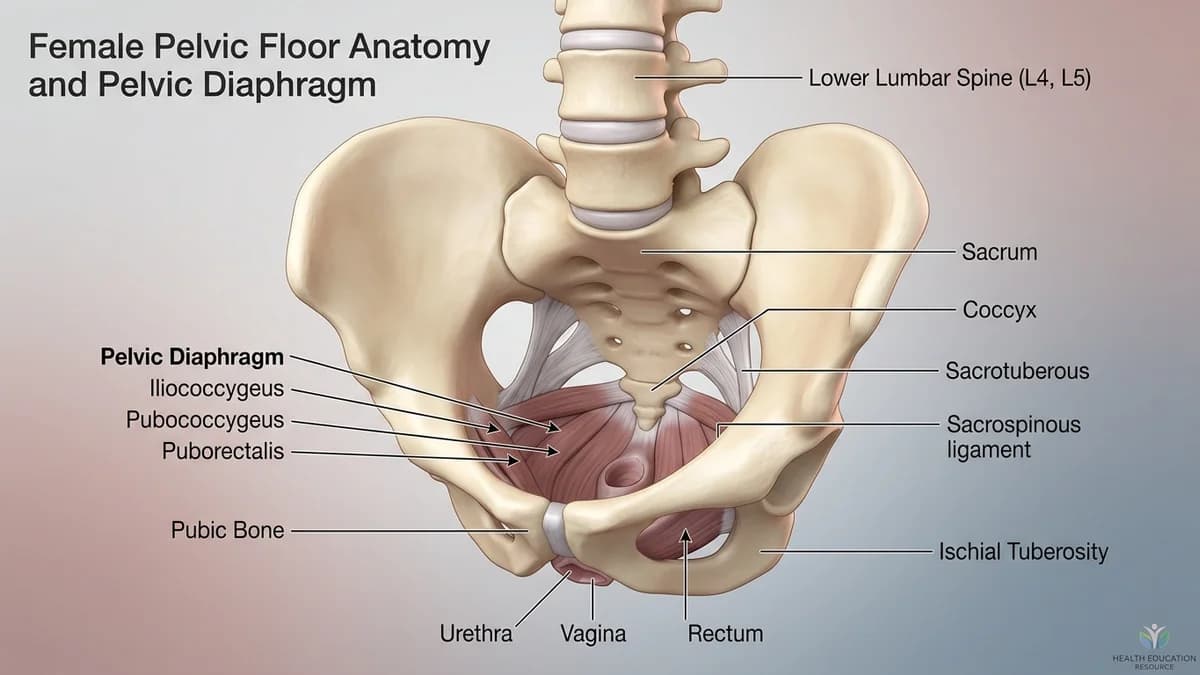
Penile erection requires precise neurovascular coordination. Somatic motor and sensory innervations travel via the pudendal nerve (S2-S4), which courses through the pudendal (Alcock) canal between the sacrotuberous and sacrospinous ligaments. Arterial blood arrives via the internal pudendal artery to fill the corpora cavernosa. Rigid penile rigidity requires strong contraction of the ischiocavernosus muscles, which compress the crura against the pubic rami, generating intracavemosal pressures exceeding 200 mm Hg. When an individual sits on a narrow, traditional bicycle saddle with a prominent nose, up to 60 percent of their body weight rests directly on the perineum, compressing the pudendal nerve and artery against the pubic bone, causing ischemic nerve conduction block.
2. Domestic Indian Context: Daily Chores, Ergonomics, and Privacy
In Indian urban centres, cycling enthusiasts often ride on rough, potholed tarmac, subjecting the perineum to repetitive micro-impact shocks. In addition, thousands of delivery riders and commuters spend 8 to 10 hours daily on motorcycles and scooters with worn, vibrating seats. Many men hesitate to seek medical care due to embarrassment about erectile changes. Practical adjustments include fitting noseless or central-channel cutout bicycle saddles, adjusting saddle tilt forward by 2 to 3 degrees, wearing padded chamois shorts, and taking standing pedal breaks every 10 minutes.
3. Clinical Special Tests and Physical Examination
Assessment includes the Pelvic Floor Sensory Threshold test, using light cotton touch and pinprick along the dorsal penile and scrotal dermatomes. Digital palpation evaluates tone, trigger points, and contraction strength of the ischiocavernosus and bulbospongiosus muscles, while dynamic neurodynamic testing assesses pudendal nerve mobility during hip flexion and lumbar motion.
| Saddle Feature | Traditional Narrow Racing Saddle | Central Ergonomic Cutout Saddle | Noseless Touring Saddle |
|---|---|---|---|
| Weight Distribution | Heavy pressure directly on perineal body | Transfers weight to ischial tuberosities | Total offloading of anterior perineum |
| Pudendal Artery Flow | Up to 80% reduction in blood flow | Maintains 70-80% normal circulation | Maintains near-100% normal circulation |
| Erectile Recovery | High risk of temporary neuropraxia | Protects cavernosal oxygenation | Recommended for active recovery |
| Clinical Suitability | Contraindicated in symptomatic cyclists | Ideal for road cycling & triathlons | Optimal for commuting & stationary cycling |
4. Stage-by-Stage Functional Physiotherapy Protocol
Rehabilitation begins by completely removing perineal pressure, followed by neurodynamic nerve glides and targeted strengthening of the ischiocavernosus muscles.
Phase 1: Pudendal Nerve Gliding and Flossing Exercise
Objective: Restore longitudinal sliding of the pudendal nerve through Alcock canal and reduce perineal neural tethering.
- 1Sit upright on the edge of a chair with a neutral spine.
- 2Extend your right leg straight out in front of you with your heel resting on the floor and toes pulled upward toward your shin.
- 3As you gently flex your neck forward bringing your chin toward your chest, point your right toes away from you (slackening the nerve from below while tensioning from above).
- 4Simultaneously lift your head back up to neutral while pulling your right toes back toward your shin (slackening from above while tensioning from below).
- 5Move smoothly between these two positions in a rhythmic, gentle flossing motion without provoking sharp pain or numbness.
Phase 2: Ischiocavernosus and Bulbospongiosus Dynamic Training
Objective: Rebuild contractile power in the muscles that maintain intracavernosal pressure during erections.
- 1Lie on your back with knees bent and feet flat on the floor.
- 2Inhale to prepare. As you exhale, focus on the base of your penis and perform a sharp, deliberate squeeze as if trying to flick an erection upward toward your naval.
- 3Feel the muscles around the pubic bone and perineum firm up without squeezing your gluteals.
- 4Hold the contraction for 4 seconds, then relax completely for 6 seconds.
- 5Ensure clean, full relaxation between each repetition to prevent muscle stiffness.
Phase 3: Supine Butterfly with Pelvic Floor Eccentric Lengthening
Objective: Ensure the pelvic floor maintains normal resting elasticity and does not lock into hypertonic spasm.
- 1Lie on your back on a supportive mat.
- 2Bring the soles of your feet together and let your knees fall gently out to the sides.
- 3Place your hands on your lower abdomen and take deep, slow diaphragmatic breaths.
- 4With each inhalation, imagine the space between your sit bones expanding and opening.
- 5This prevents the pelvic floor from remaining clenched after intense cycling workouts.
Consult a urologist or neurologist immediately if you experience: sudden total loss of sensation across your genitals and buttocks (saddle anesthesia), difficulty controlling your bowel or bladder, sudden onset of persistent painful erection lasting over 4 hours (priapism), or severe pain with swelling in the groin.
5. Clinic Consultation, Home Visits, and Transparent Fee Benchmarks
In India, under the National Commission for Allied and Healthcare Professions (NCAHP) Act 2021, patients can consult a registered pelvic health physiotherapist directly without an upfront referral, though BookPhysio.in does not ask for one. Sports and pelvic health physiotherapists perform dynamic bike-fit evaluations alongside pelvic neuromuscular therapy. Clinic visits in Indian tier 1 and tier 2 cities typically cost between ₹500 and ₹1,500, with home visits ranging from ₹700 to ₹2,000 where available. Patients pay their physiotherapist directly at each appointment, with no platform commission.
6. Frequently Asked Questions
Is cycling-related erectile dysfunction permanent?
In the vast majority of cases, cycling-related erectile dysfunction is temporary neuropraxia caused by mechanical compression. Once saddle pressure is removed with an ergonomic cutout or noseless saddle and normal nerve gliding and pelvic floor motor control are restored through physiotherapy, full erectile function typically returns within 4 to 8 weeks.
How do I know if my bicycle saddle is causing nerve compression?
Warning signs include tingling, a 'pins and needles' sensation, or complete numbness in the penis, scrotum, or perineum during or immediately after a ride. If you feel numb after cycling for more than 20 minutes, your saddle is compressing the pudendal nerve, and ergonomic modifications should be made immediately.
Related recovery guides & articles
BookPhysio.in Editorial Team
The BookPhysio.in editorial team writes and maintains this content, checking it against reliable clinical sources. Content follows our medical review policy: general information only, and no page claims a clinical review until a named registered physiotherapist has signed it off.
Read our medical review policy