
Malignant Ascites: Ergonomic Seating and Abdominal Comfort Postures
In short
Malignant ascites causes severe abdominal distension and breathlessness. Discover ergonomic seating postures and gentle positioning protocols.
In this guide (5 sections)
Malignant ascites occurs frequently in advanced peritoneal carcinomatosis secondary to ovarian, gastrointestinal, pancreatic, and breast malignancies. Massive intra-abdominal fluid accumulation increases intra-abdominal pressure, displacing the diaphragm upward and causing severe restrictive ventilatory impairment, early satiety, pelvic heaviness, and lower limb oedema. Palliative physiotherapy provides supportive seating adaptations, semi-Fowler positioning, and gentle transfer methods that relieve subdiaphragmatic tension and optimise breathing capacity.
Domestic and Cultural Indian Realities
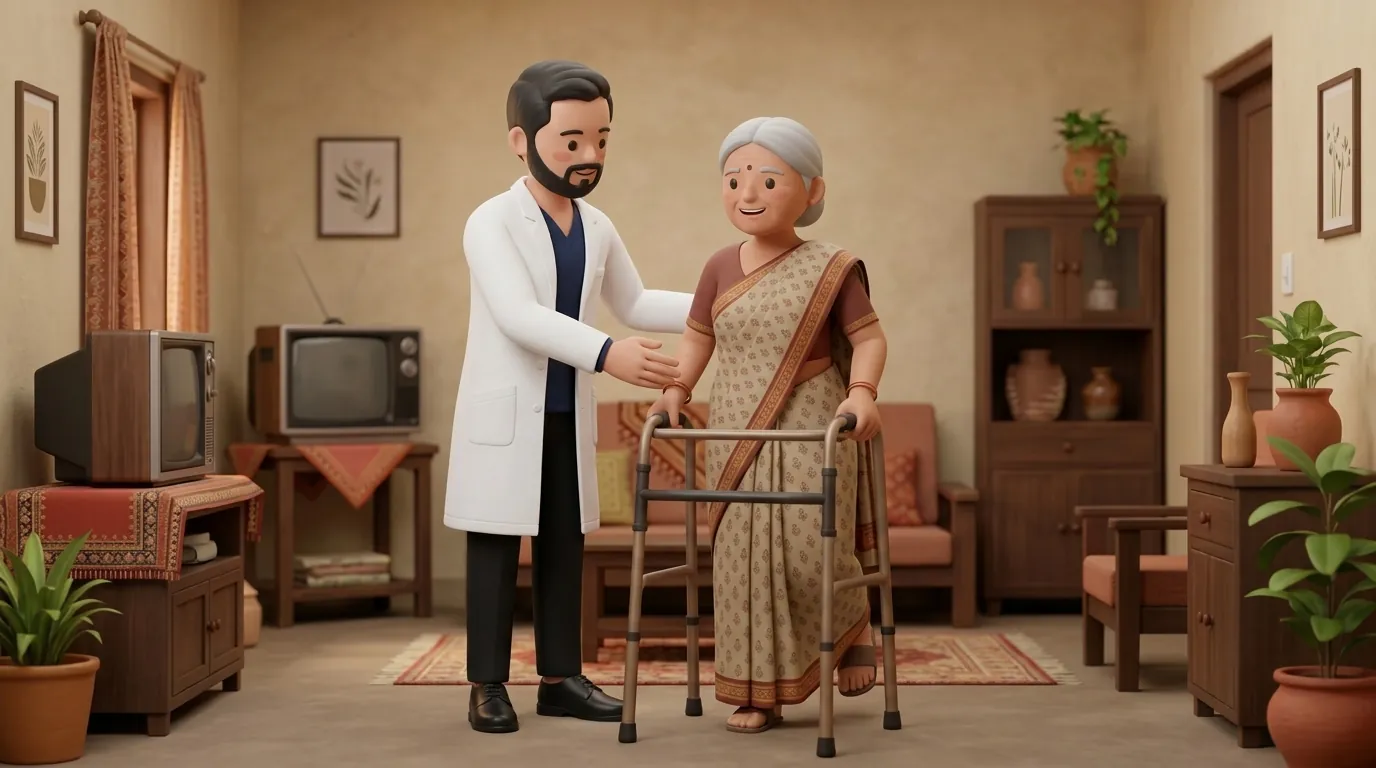
In Indian homes, elders suffering from malignant ascites often struggle with traditional low seating. Sitting on the floor for meals, using squatting toilets, or resting on soft mattresses causes severe abdominal compression, precipitating acute breathlessness and nausea. Family members often attempt to assist the elder into a flat supine position, unaware that horizontal recumbency pushes the heavy fluid collection directly against the diaphragm. Palliative physiotherapists teach families how to configure armchairs, high-back recliners, and bed wedges to maintain comfortable, dignified postures.
Pathophysiology and Diaphragmatic Splinting
Malignant ascites develops through increased vascular permeability of peritoneal capillaries, tumor cell secretion of vascular endothelial growth factor (VEGF), and mechanical obstruction of subdiaphragmatic lymphatic channels. As liters of protein-rich fluid accumulate in the peritoneal cavity, intra-abdominal hypertension splints the diaphragm in an elevated inspiratory position. This mechanical barrier reduces functional residual capacity, collapses lung bases, and increases the work of breathing. High semi-Fowler and upright forward-leaning postures use gravity to draw fluid into the pelvic basin, freeing the diaphragm to move with lower resistance.
Supportive Seating and Positioning Protocols
The optimal resting posture for malignant ascites is a 45 to 60-degree high semi-Fowler position with the knees slightly bent and supported by a firm bolster. This configuration prevents the patient from sliding down the bed while relieving strain on the anterior abdominal wall. In an armchair, placing firm cushions behind the thoracolumbar spine and resting the feet flat on a low footstool prevents pelvic posterior tilt, reducing intra-abdominal compression.
Supported Bolstered Semi-Fowler Posture Setup
Objective: Relieve subdiaphragmatic fluid pressure and expand basal lung volume in resting elders
- 1Raise the head of the bed or stack firm pillows to create a stable 45-degree back incline.
- 2Place a rounded pillow or foam bolster beneath both knees to maintain comfortable 20-degree flexion.
- 3Position small cushions under each forearm so the arms rest comfortably without pulling on the chest.
- 4Ensure that the lower back remains supported and the abdomen feels soft rather than taut.
- 5Guide the elder to take slow, relaxed breaths through pursed lips, noticing chest expansion.
| Posture | Biomechanical Effect on Ascites | Clinical Practical Guidance |
|---|---|---|
| Flat Supine Posture | Fluid shifts against diaphragm; maximum breathing distress | Avoid completely; keep head elevated at least 30 degrees |
| High Semi-Fowler (45-60°) | Gravity pools fluid into pelvis; frees diaphragmatic excursion | Primary resting position for sleeping, resting, and feeding |
| Supported Seated Recline | Unloads lumbar spine while maintaining abdominal space | Use in living room armchair with a small footrest |
| Side-Lying with Bolster | Fluid settles to dependent flank; relieves opposite lung | Turn every 2 hours using pillows between thighs |
Oncological Red Flags and Specialist Escalation
Sudden, severe abdominal pain accompanied by board-like abdominal rigidity, high fever, chills, persistent bilious vomiting, or absence of bowel movements for several days indicates potential spontaneous bacterial peritonitis or acute bowel obstruction. These emergencies require immediate medical evaluation by the palliative care physician or oncologist.
Frequently Asked Questions
Can abdominal exercises reduce fluid buildup in malignant ascites?
Abdominal exercises cannot reduce malignant ascites and will cause severe pain and respiratory distress. Palliative care focuses on medical drainage (paracentesis) when indicated, accompanied by gentle ergonomic seating and positioning to maximise comfort.
Do I need a doctor referral to consult a home palliative physiotherapist?
Under the National Commission for Allied and Healthcare Professions (NCAHP) Act 2021, patients in India enjoy direct access to registered physiotherapists without requiring a mandatory doctor referral. At BookPhysio.in, you consult verified physiotherapists and pay directly per session without hidden fees or platform commissions.
Related recovery guides & articles
BookPhysio.in Editorial Team
The BookPhysio.in editorial team writes and maintains this content, checking it against reliable clinical sources. Content follows our medical review policy: general information only, and no page claims a clinical review until a named registered physiotherapist has signed it off.
Read our medical review policy