
Cultural Beliefs and Karma in Indian Palliative Physiotherapy
In short
Cultural beliefs deeply shape end-of-life care in India. Discover how aligning karma, seva, and comfort positioning supports patient spiritual dignity.
In this guide (5 sections)
Palliative care in India exists within a rich and complex web of spiritual philosophies, cultural traditions, and metaphysical beliefs regarding illness, suffering, and mortality. The concepts of Karma (cause and effect across lifetimes), Prarabdha Karma (destiny to be experienced in this life), and Moksha (spiritual liberation from the cycle of rebirth) profoundly influence how patients and families interpret cancer diagnosis and physical pain. Palliative physiotherapy approaches these deeply held beliefs with cultural humility, harmonising symptom relief and dignified mobility with spiritual values.
Domestic and Cultural Indian Realities
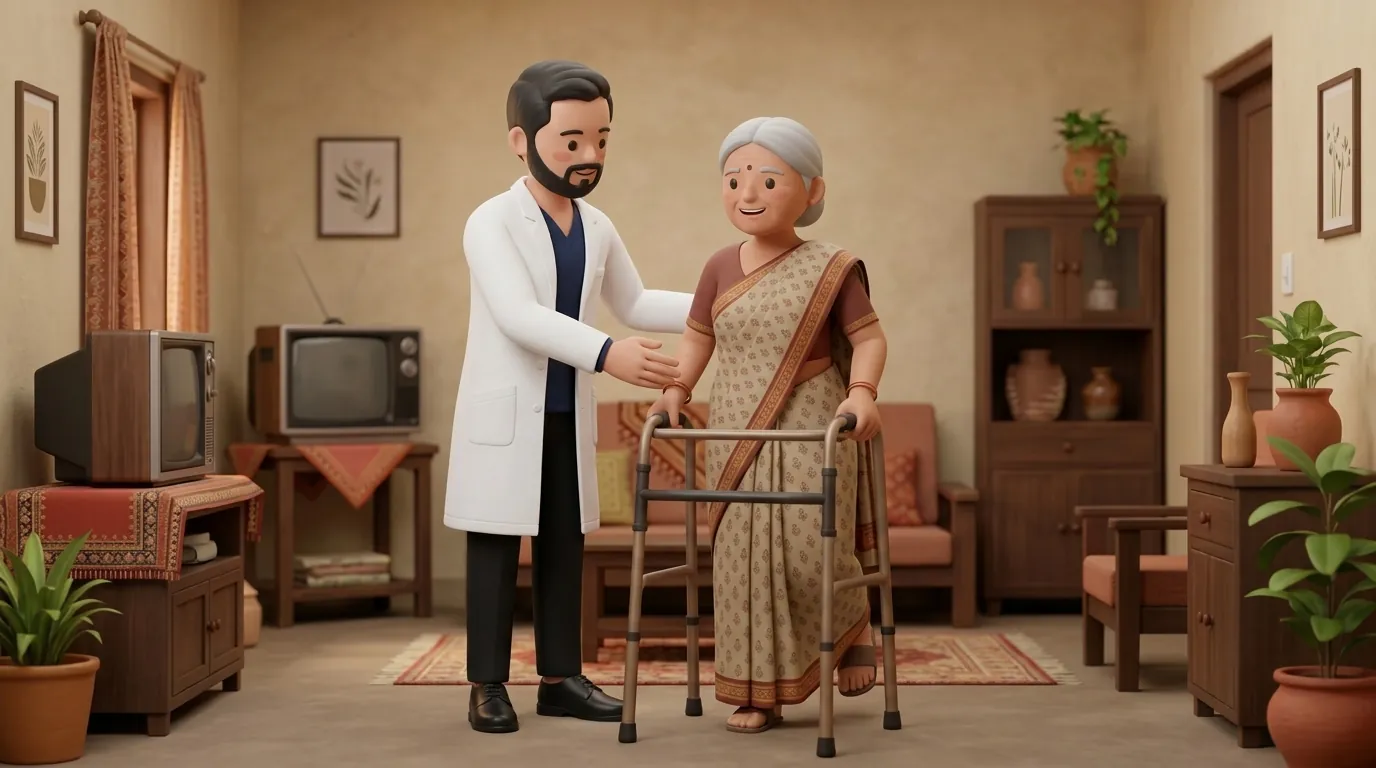
In Indian households, an elder suffering from severe cancer pain or paralysis may sometimes express fatalistic beliefs, questioning what past deeds brought this suffering or believing that enduring unmanaged pain is necessary to cleanse karmic debts. Well-meaning relatives may hesitate to administer pain medications or adjust postures, fearing they are interfering with divine will. Palliative physiotherapists engage families with theological sensitivity, drawing upon traditional scriptures to explain that treating bodily suffering is an act of compassionate service (seva) and healing (chikitsa) that honors the sacred vessel of the body.
Philosophy of Karma and Compassionate Healing
Classical Ayurvedic and philosophical texts distinguish between passive fatalism (daiva) and active righteous effort (purushartha). While a disease may arise from karmic predispositions, relieving acute suffering and upholding human dignity represents the highest moral duty (dharma). Mitigating agonizing physical pain allows the dying elder to maintain a peaceful, lucid state of mind (shant chitta), which traditional philosophies consider vital for an auspicious spiritual transition at the moment of death.
Culturally Concordant Comfort Protocols
Palliative clinicians integrate traditional cultural practices into physical positioning routines. Caregivers ensure the patient bed faces directions preferred by family custom (such as head pointing East or South). Peaceful sacred chants (stotras, shlokas, or gurbani) are welcomed during passive range of motion. Repositioning routines are paused during auspicious daily prayer times to ensure that clinical care harmonises with domestic spiritual rhythms.
Shanti Breath and Sacred Postural Grounding
Objective: Cultivate mental tranquility and bodily comfort aligned with spiritual peace
- 1Rest comfortably in bed supported by pillows in a peaceful, quiet bedroom.
- 2Gently place one palm over your heart centre and the other palm over your lower abdomen.
- 3Inhale quietly through your nose, silently reciting your chosen sacred mantra or word of peace.
- 4Exhale smoothly through soft lips, releasing physical tension and placing all burdens in divine care.
- 5Continue this contemplative, quiet breathing for 5 minutes, resting in peaceful stillness.
| Cultural Concept | Fatalistic Misconception | Culturally Aligned Palliative Reality |
|---|---|---|
| Belief in Karma | "Pain must be endured without relief to cleanse past karma" | Relieving pain allows a calm, lucid mind (shant chitta) for peace |
| Filial Seva | "Doing everything manually proves our devotion, even if exhausting" | Using slide sheets and equipment protects caregivers to sustain seva |
| Sacred Water (Gangajal) | Pouring large volumes into a recumbent throat risks choking | Single drops delivered with chin-tuck honor ritual without harm |
| Bed Direction | Ignoring traditional orientation preferences creates family distress | Align cot according to family spiritual custom while keeping safe access |
Oncological Red Flags and Specialist Escalation
If cultural beliefs lead a family to completely discontinue essential palliative medications or reject emergency interventions during an acute oncological crisis (such as spinal cord compression or acute airway compromise), the palliative care physician and trusted family elders or spiritual leaders must be engaged promptly for compassionate dialogue.
Frequently Asked Questions
Does palliative comfort care conflict with traditional Indian religious beliefs?
Palliative comfort care aligns with Indian spiritual principles. Traditional scriptures emphasize karuna (compassion) and seva (service), affirming that relieving bodily suffering honors the elder and supports a serene, peaceful mind at the end of life.
Do I need a doctor referral to consult a home palliative physiotherapist?
Under the National Commission for Allied and Healthcare Professions (NCAHP) Act 2021, patients in India enjoy direct access to registered physiotherapists without requiring a mandatory doctor referral. At BookPhysio.in, you consult verified physiotherapists and pay directly per session without hidden fees or platform commissions.
Related recovery guides & articles
BookPhysio.in Editorial Team
The BookPhysio.in editorial team writes and maintains this content, checking it against reliable clinical sources. Content follows our medical review policy: general information only, and no page claims a clinical review until a named registered physiotherapist has signed it off.
Read our medical review policy