
Corticosteroid-Induced Osteoporosis: Safe Bone Loading and Fracture Prevention Protocols
In short
Long-term glucocorticoid therapy in autoimmune disease accelerates trabecular bone loss and fracture risk. Master safe axial bone loading protocols, fall prevention balance drills, and spinal flexion precautions.
In this guide (6 sections)
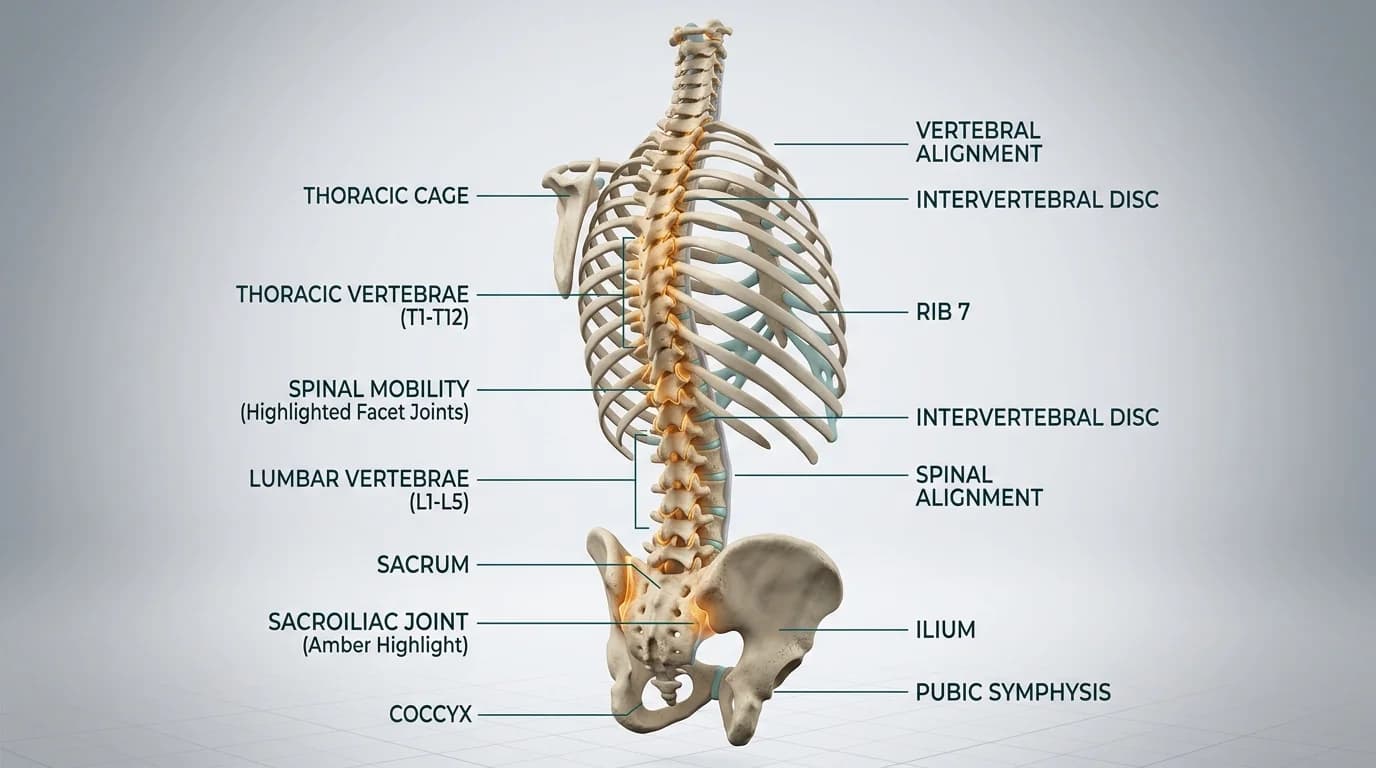
Glucocorticoid-induced osteoporosis (GIOP) is the most common and devastating form of secondary osteoporosis, developing rapidly in patients receiving systemic corticosteroid therapy for autoimmune conditions such as rheumatoid arthritis, lupus, and polymyalgia rheumatica. Trabecular bone mineral density declines rapidly within the first 3 to 6 months of starting oral steroids. Glucocorticoids directly suppress osteoblastic bone formation, accelerate osteocyte apoptosis, inhibit intestinal calcium absorption, and stimulate renal calcium excretion. Crucially, vertebral and hip fractures occur at significantly higher bone mineral density T-scores than in postmenopausal osteoporosis. Developing a structured, evidence-based bone loading and fall-mitigation physiotherapy programme is essential to preserve skeletal integrity.
Domestic and Cultural Indian Realities
In Indian households, individuals on long-term corticosteroids are exposed to frequent domestic fracture hazards. Lifting heavy water buckets (baltis) in the bathroom, carrying heavy market bags, or vigorously sweeping floors with short-handled traditional brooms (jhadu) forces the fragile thoracic spine into combined forward flexion and twisting. This combined mechanical moment is the primary driver of osteoporotic vertebral wedge compression fractures. Furthermore, navigating wet bathroom tiles, smooth marble flooring, and loose scatter rugs in low lighting dramatically increases fall risks. Families must replace short brooms with long-handled mops, install non-slip silicone rubber mats in bathrooms, ensure adequate night lighting, and eliminate sudden spinal flexion during chores.
Clinical Biomechanics and Inflammatory Pathology
Bone responds dynamically to mechanical strain according to Wolff law, where cyclic piezoelectric deformation stimulates osteocytes to secrete Wnt signaling molecules, promoting osteoblast differentiation. However, corticosteroids impair this mechanotransduction pathway by upregulating sclerostin and downregulating osteoprotegerin, skewing the bone remodeling balance toward osteoclast-mediated resorption. Trabecular micro-architecture becomes thinned and perforated. To stimulate osteogenesis without generating destructive shear forces, physiotherapy must deliver dynamic, axial compressive loading (such as stomping, heel drops, and brisk walking) while strictly eliminating spinal flexion with rotational torque, which imposes crushing compressive loads on anterior vertebral bodies.
Clinical Assessment and Functional Staging
Baseline staging requires dual-energy X-ray absorptiometry (DXA) evaluating the lumbar spine and femoral neck, interpreted through the FRAX (Fracture Risk Assessment Tool) adjusted for glucocorticoid dosage. Physiotherapists perform serial height measurements using a calibrated wall stadiometer; a height loss of greater than 2 cm warrants lateral thoracic spine radiography to screen for silent vertebral compression fractures. Clinicians assess fall risk using the Berg Balance Scale, Timed Up and Go (TUG) test, and 4-Stage Balance Test.
Targeted Mobility and Joint Preservation Exercises
The exercise prescription focuses on safe site-specific axial impact, progressive back extensor strengthening, and dynamic balance retraining, strictly avoiding sit-ups, toe touches, or spinal twisting machines.
Supported Standing Heel Drops for Axial Bone Stimulation
Objective: Deliver safe, controlled vertical impact through the calcaneus, femoral neck, and lumbar spine to stimulate bone remodeling
- 1Stand tall facing a sturdy table or kitchen counter, resting your hands lightly on the surface for balance.
- 2Rise slowly onto the balls of your feet, lifting both heels approximately 2 inches off the floor.
- 3Allow your heels to drop firmly back down onto the floor with a crisp, solid impact through flat supportive shoes.
- 4Maintain an upright spine and engaged abdominal muscles throughout the movement without slumping.
| Movement Pattern | Bone-Preserving Safe Alternative | Contraindicated High-Fracture-Risk Motion |
|---|---|---|
| Spinal Strengthening | Prone back extensions, seated scapular retractions, and isometric core bracing | Traditional abdominal crunches, sit-ups, and weighted spinal flexion machines |
| Daily Domestic Tasks | Bending at the knees and hips with a flat back (hip hinge) to reach low objects | Rounding the back with straight knees while lifting heavy buckets or pots |
| Yogic Asanas | Bhujangasana (cobra pose with gentle extension), Tadasana (mountain pose) | Paschimottanasana (seated forward bend), Halasana (plow pose), or extreme twists |
| Cardiovascular Training | Brisk level walking, stair climbing, and low-impact dance with upright posture | High-impact jumping, horseback riding, or contact sports risking falls |
Red Flags and Immediate Rheumatology Escalation
Sudden, severe, unremitting mid-back or lower back pain following a minor movement (such as coughing, sneezing, or lifting a light bag) strongly indicates an acute osteoporotic vertebral compression fracture requiring prompt medical imaging. Acute groin or hip pain with inability to bear weight after a minor slip demands immediate orthopaedic evaluation to rule out a femoral neck fracture.
Frequently Asked Questions
Can bone-loading exercises reverse corticosteroid-induced osteoporosis completely?
Exercise alone cannot completely reverse corticosteroid-induced osteoporosis, particularly when ongoing high-dose steroid therapy is necessary to manage systemic autoimmune disease. However, evidence-based bone-loading exercises, combined with pharmacological bone protection (such as bisphosphonates) and fall-prevention training, significantly slow bone loss, preserve trabecular architecture, and dramatically reduce fracture incidence.
How do I arrange a home fall-prevention physiotherapy assessment through BookPhysio.in?
Under the National Commission for Allied and Healthcare Professions (NCAHP) Act 2021, Indian patients have direct access to registered physiotherapists without an obligatory doctor referral. On BookPhysio.in, you schedule an appointment with a verified home-care clinician in your city. Payment is made directly to the therapist at your home appointment via cash or UPI; BookPhysio.in does not process booking fees online.
Related recovery guides & articles
BookPhysio.in Editorial Team
The BookPhysio.in editorial team writes and maintains this content, checking it against reliable clinical sources. Content follows our medical review policy: general information only, and no page claims a clinical review until a named registered physiotherapist has signed it off.
Read our medical review policy