
Palliative Lymphoedema and Fungating Wounds: Gentle Compression
In short
Palliative lymphoedema with fungating wounds requires gentle care. Learn safe non-elastic compression, wound protection, and comfort positioning.
In this guide (5 sections)
Palliative lymphoedema in advanced cancer occurs when malignant tumor infiltration obstructs regional lymph nodes, leading to massive, protein-rich interstitial fluid accumulation in the limbs, trunk, or genitalia. In severe cases, cutaneous metastases erode through the epidermis, creating malignant fungating wounds with friable, bleeding tissue, heavy exudate, and fragile margins. Standard complete decongestive therapy must be modified: aggressive multi-layer compression is contraindicated. Palliative physiotherapy focuses on gentle limb elevation, ultra-low-stretch tubular padding, and non-shearing positioning.
Domestic and Cultural Indian Realities
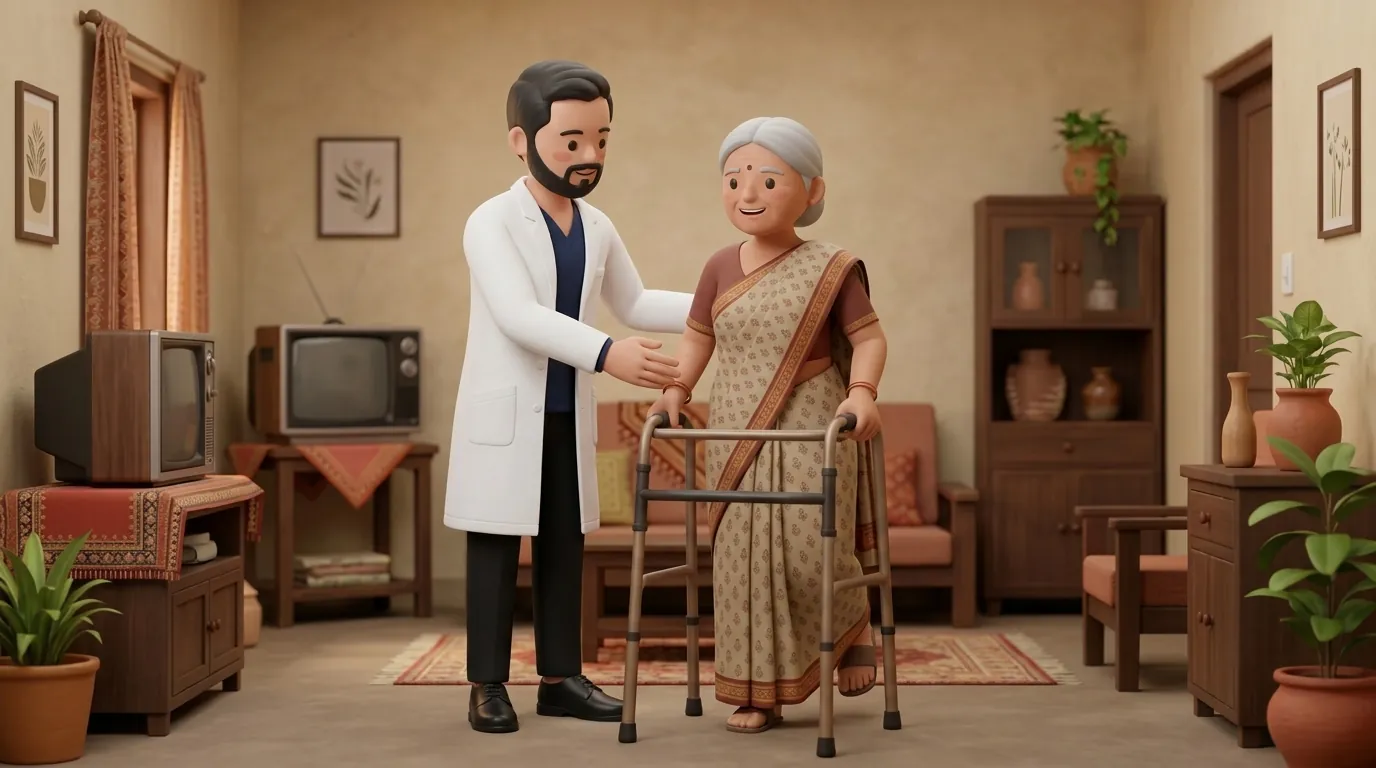
In Indian households, caring for a family elder with a weeping, malodorous fungating wound presents immense emotional and physical challenges. Families often struggle to procure specialised non-adherent silicone dressings and tubular bandaging in local neighborhood pharmacies. Relatives may attempt to wrap swollen limbs tightly with commercial elastic crepe bandages, inadvertently cutting off microvascular circulation and causing tissue necrosis around tumor margins. Palliative physiotherapists educate families on using loose, absorbent cotton padding, elevated positioning wedges, and dignified skin hygiene.
Pathophysiology of Malignant Lymphatic Obstruction
Malignant lymphoedema involves extensive tumor embolisation within lymphatic channels and nodal structures, compounded by venous compression from expanding masses. Interstitial hydrostatic pressure rises dramatically, causing skin induration, lymphorrhoea (fluid leaking through skin pores), and profound tissue fragility. Fungating tumors feature irregular neovascularization with fragile capillaries prone to heavy contact bleeding. High-pressure compression wraps generate shear forces that tear friable tumor surfaces, risking major hemorrhage.
Gentle Compression and Elevation Protocols
The palliative management protocol avoids high-pressure wraps entirely. Instead, clinicians apply non-adherent silicone contact layers over the fungating wound, covered by absorbent secondary foam dressings. Swollen extremities receive light, multi-directional tubular stockinettes or loose low-stretch cotton wraps providing 10 to 15 mmHg of resting support. Limbs are elevated above atrial level on contoured foam wedges to encourage passive venous and lymphatic drainage.
Supported Passive Limb Elevation and Ankle Pumps
Objective: Encourage gravity-assisted lymphatic drainage without creating friction across skin
- 1Rest comfortably in bed with the affected arm or leg supported on a contoured foam ramp.
- 2Verify that the elevated limb rests smoothly without joint hyperextension or pressure points.
- 3Ensure all dressings around the wound remain undisturbed and free from constrictive bands.
- 4Slowly perform 5 gentle ankle pumps or gentle finger openings over 30 seconds.
- 5Rest quietly in elevation for 20 minutes, monitoring comfort and skin sensation.
| Clinical Element | Standard Lymphoedema Therapy | Palliative Care Adaptation |
|---|---|---|
| Compression Pressure | High pressure: 30 to 50 mmHg multi-layer bandaging | Ultra-low pressure: 10 to 15 mmHg tubular support |
| Wound Management | Standard debridement and compression over borders | Non-adherent silicone interfaces; zero shear forces |
| Manual Drainage | Vigorous manual lymphatic drainage across trunks | Gentle effleurage proximal to healthy drainage basins |
| Elevation Strategy | Rigid elevation schedules between exercise bouts | Contoured soft pillow ramps tailored for comfort |
Oncological Red Flags and Specialist Escalation
Acute, heavy arterial bleeding from a fungating wound requires immediate direct pressure with haemostatic dressings and urgent emergency evaluation. Signs of acute cellulitis, such as rapidly spreading erythema, high fever, severe local heat, or purulent foul-smelling drainage, require prompt antibiotic intervention and medical review.
Frequently Asked Questions
Should a tight crepe bandage be used on a swollen cancer patient leg?
Tight elastic crepe bandages must never be applied to limbs with malignant lymphoedema. High elastic pressure cuts off superficial microcirculation, damages fragile skin, and increases the risk of tissue necrosis and severe pain.
Do I need a doctor referral to consult a home palliative physiotherapist?
Under the National Commission for Allied and Healthcare Professions (NCAHP) Act 2021, patients in India enjoy direct access to registered physiotherapists without requiring a mandatory doctor referral. At BookPhysio.in, you consult verified physiotherapists and pay directly per session without hidden fees or platform commissions.
Related recovery guides & articles
BookPhysio.in Editorial Team
The BookPhysio.in editorial team writes and maintains this content, checking it against reliable clinical sources. Content follows our medical review policy: general information only, and no page claims a clinical review until a named registered physiotherapist has signed it off.
Read our medical review policy