
Polycystic Ovary Syndrome (PCOS): Insulin Resistance, Core Stability, and Low-Impact Exercise in India
In short
Managing PCOS in India requires balanced metabolic exercise and core stability, not exhausting high-impact workouts. Learn how low-impact training restores hormonal balance.
In this guide (6 sections)
Polycystic ovary syndrome (PCOS) is one of the most prevalent endocrine and metabolic disorders among Indian women, with studies indicating that up to 20 to 25 percent of reproductive-aged women in urban India are affected. Characterised by hyperandrogenism, ovulatory dysfunction, and metabolic dysregulation, PCOS is closely linked to hyperinsulinemia and insulin resistance. Women in India often face intense societal pressure regarding weight gain, facial hair, and fertility. Desperate to manage weight, many women undertake extreme, exhausting high-intensity interval training (HIIT) or prolonged cardio sessions, which paradoxically spike systemic cortisol and worsen hormonal imbalances. Evidence-based physiotherapy emphasizes low-impact metabolic resistance training and pelvic core stability to improve insulin sensitivity safely.
1. Functional Biomechanics: GLUT4 Translocation and Cortisol-Sparing Resistance Training
Skeletal muscle is the primary tissue responsible for insulin-mediated glucose disposal, clearing over 80 percent of postprandial glucose. In insulin-resistant PCOS, insulin receptor substrate-1 (IRS-1) signalling is blunted. However, muscular contraction stimulates an independent, insulin-independent glucose uptake pathway: muscle contraction activates 5' AMP-activated protein kinase (AMPK), which directly triggers the translocation of glucose transporter 4 (GLUT4) vesicles to the cell membrane. Performing structured, low-impact resistance training recruits large muscle groups (quadriceps, gluteals, latissimus dorsi) to clear blood glucose without triggering excessive hypothalamic-pituitary-adrenal (HPA) axis activation or cortisol spikes.
2. Domestic Indian Context: Daily Chores, Ergonomics, and Privacy
Indian lifestyle patterns, characterized by high-carbohydrate diets rich in polished white rice, refined flours (maida), and deep-fried snacks, combined with sedentary urban office hours, fuel insulin resistance. Furthermore, young Indian women often lack access to safe outdoor running tracks or feel uncomfortable in commercial gym environments. In addition, women with PCOS frequently present with generalized joint hypermobility and core deconditioning, making aggressive gym workouts a common cause of lower back and knee injuries. Physiotherapists design safe, home-based metabolic resistance circuits that can be performed comfortably in personal bedrooms with minimal equipment.
3. Clinical Special Tests and Physical Examination
Assessment begins by reviewing metabolic lab profiles (fasting insulin, HOMA-IR, HbA1c, lipid panel). Physiotherapy assessment includes the Beighton Hypermobility Score (checking for concurrent ligamentous laxity), deep core endurance tests (transversus abdominis pressure biofeedback), and functional movement screening to identify faulty hip and knee mechanics.
| Physiological Parameter | Exhaustive High-Impact Cardio / HIIT | Low-Impact Metabolic Resistance | Physiotherapy Outcome |
|---|---|---|---|
| Cortisol Response | Substantial cortisol spike; fuels visceral fat | Minimal cortisol rise; preserves adrenal calm | Maintains hormonal balance and energy |
| Insulin Sensitivity | Temporary glucose clearance, high fatigue | Sustained GLUT4 upregulation (24-48 hrs) | Improves long-term glucose disposal |
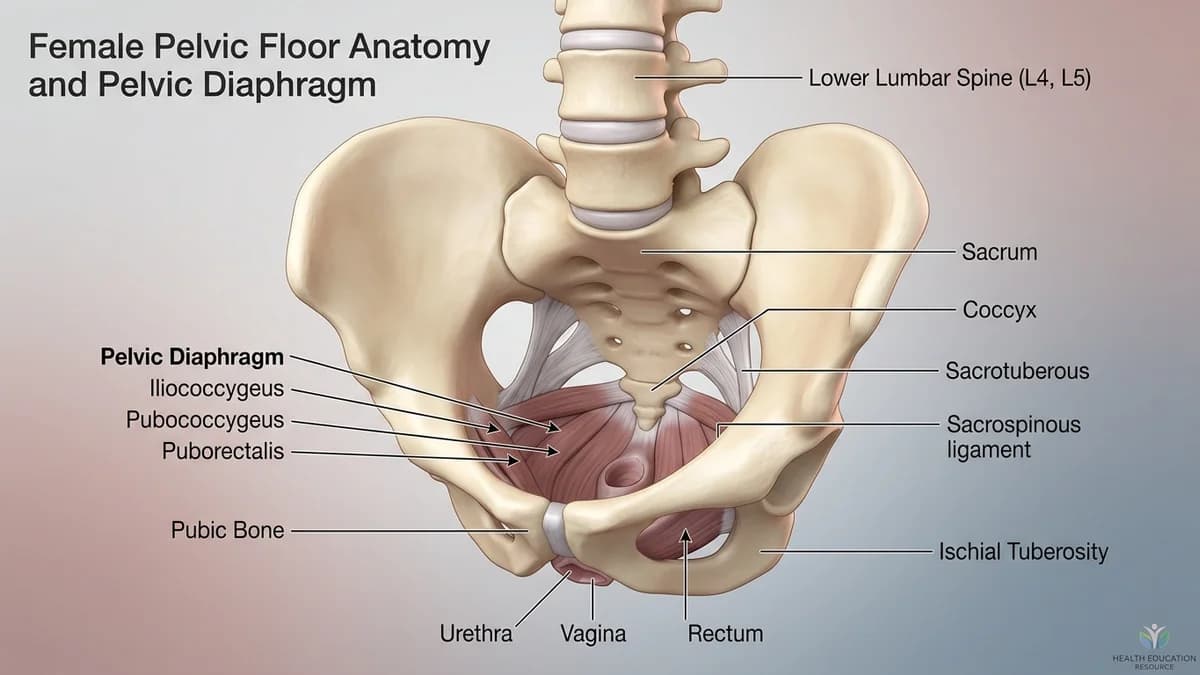
| Joint & Pelvic Impact | High joint shear, risk of pelvic floor leaks | Low impact, builds joint and core stability | Protects hypermobile joints and pelvic floor |
| Long-Term Adherence | High burnout rate and physical exhaustion | Sustainable, energizing, progressive | Promotes lifelong active lifestyle |
4. Stage-by-Stage Functional Physiotherapy Protocol
Rehabilitation centres on progressive compound resistance movements, zone-2 metabolic walking, and deep pelvic cylinder coordination.
Phase 1: Bodyweight Squats to Chair with Core Cylinder Engagement
Objective: Recruit large quadriceps and gluteal muscle fibers to stimulate non-insulin-mediated glucose uptake.
- 1Stand with feet shoulder-width apart in front of a sturdy chair, toes turned slightly out.
- 2Inhale to expand your belly, gently pre-contracting your pelvic floor and core.
- 3Hinge back from your hips and bend your knees, lowering smoothly until your buttocks lightly touch the chair seat.
- 4Do not collapse into the chair. Pause for 1 second, then exhale and press firmly through your heels to return to standing.
- 5Maintain an upright chest and ensure your knees track in line with your second toe.
Phase 2: Standing Resistance Band Rows with Postural Alignment
Objective: Activate the large upper back muscles (latissimus dorsi, rhomboids) to maximize metabolic output.
- 1Secure a resistance band around a sturdy household door handle or vertical pillar at chest height.
- 2Hold both handles with arms extended, stepping back until there is light tension in the band.
- 3Stand tall with feet hip-width apart and knees softly unlocked.
- 4Exhale softly and pull your elbows straight back past your ribcage, squeezing your shoulder blades together.
- 5Hold the squeeze for 2 seconds, then slowly return to the starting position over 3 seconds.
Phase 3: Post-Meal Zone-2 Brisk Walking Protocol
Objective: Blunt postprandial glucose and insulin spikes immediately following major meals.
- 1Within 30 minutes of finishing your meal, begin walking at a comfortable, brisk pace.
- 2Maintain a conversational pace where you can comfortably speak in full sentences without gasping.
- 3Swing your arms naturally and maintain an upright, tall posture.
- 4This activates leg muscle GLUT4 transporters, absorbing circulating glucose without stressing your adrenals.
Consult a gynaecologist or endocrinologist promptly if you experience: sudden severe lower abdominal pain accompanied by dizziness or fainting (possible ruptured ovarian cyst), prolonged heavy vaginal bleeding lasting over 10 days, severe unexplained shortness of breath, or signs of acute metabolic decompensation.
5. Clinic Consultation, Home Visits, and Transparent Fee Benchmarks
Under the National Commission for Allied and Healthcare Professions (NCAHP) Act 2021, patients in India can consult a registered physiotherapist directly without an upfront referral, though BookPhysio.in does not ask for one. Physiotherapists evaluate joint mechanics, body composition, and cardiovascular tolerance to design customized exercise prescriptions. Clinic sessions in Indian cities range between ₹500 and ₹1,500, with home visits ranging from ₹700 to ₹2,000 where available. Patients pay their physiotherapist directly at each consultation, with zero platform commission.
6. Frequently Asked Questions
Why does doing intense cardio every day make me feel more exhausted with PCOS?
Excessive high-intensity cardio places prolonged stress on your body, triggering excessive release of cortisol (the stress hormone). In PCOS, high cortisol drives visceral fat storage around the abdomen, worsens insulin resistance, and suppresses normal ovulation. Low-impact resistance training and brisk walking provide superior metabolic benefits without adrenal exhaustion.
Can low-impact exercise help regulate irregular menstrual cycles in Indian women?
Yes. Consistent resistance training and post-meal walking improve muscle insulin sensitivity, leading to lower circulating insulin levels. Because high insulin stimulates the ovaries to produce excess androgens (male hormones), reducing insulin helps restore normal hormonal feedback loops and promotes regular menstrual cycles.
Related recovery guides & articles
BookPhysio.in Editorial Team
The BookPhysio.in editorial team writes and maintains this content, checking it against reliable clinical sources. Content follows our medical review policy: general information only, and no page claims a clinical review until a named registered physiotherapist has signed it off.
Read our medical review policy