
Plantar Pressure Mapping and Baropodometry in Diabetic Custom Footwear Fabrication
In short
Electronic baropodometry reveals hidden pressure spikes beneath insensate diabetic feet. Discover how dynamic pressure mapping guides custom orthotic and footwear fabrication.
In this guide (6 sections)
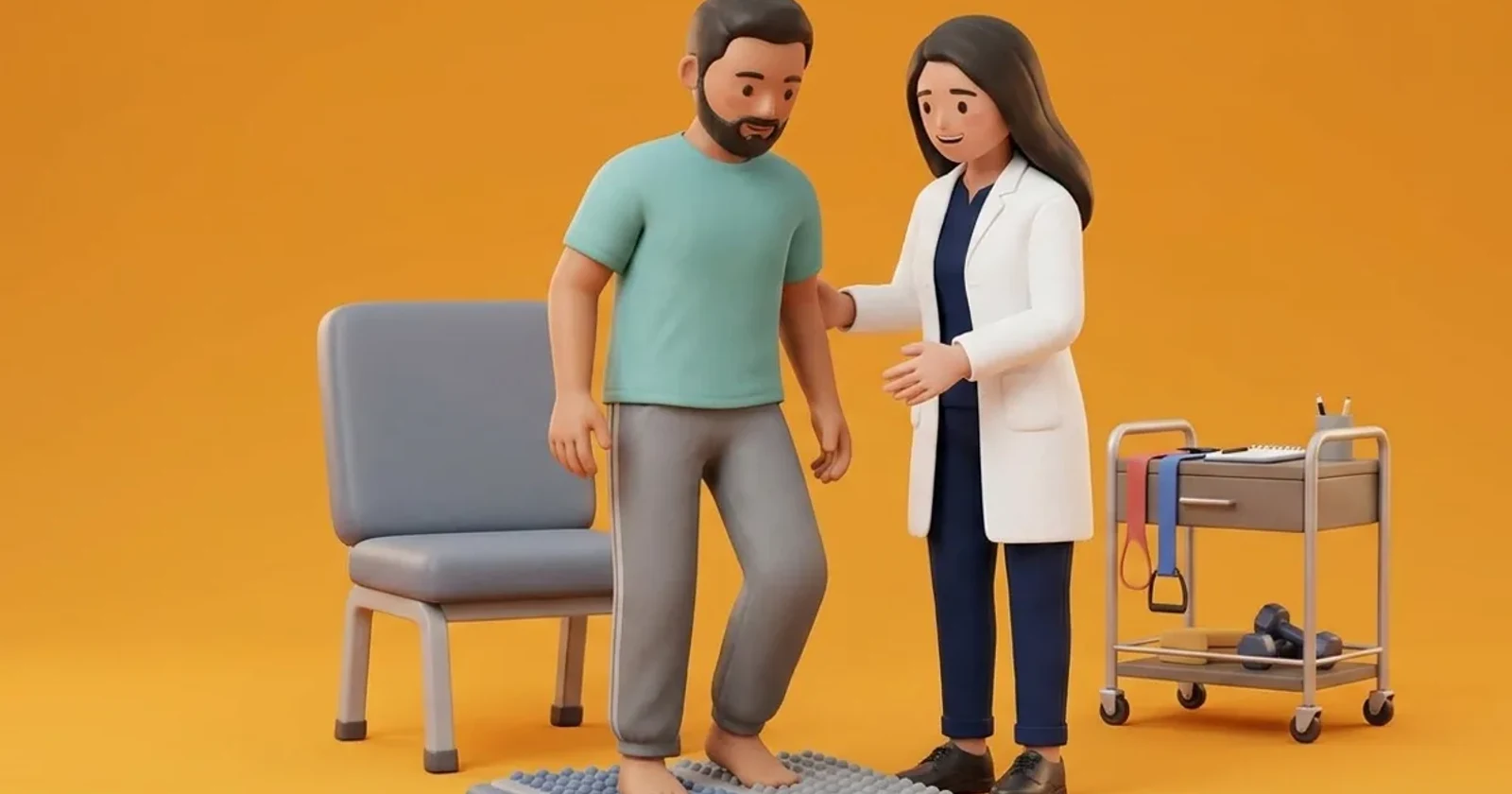
Electronic baropodometry and dynamic in-shoe pressure mapping represent the gold standard diagnostic technologies for evaluating plantar biomechanics in diabetic patients. Clinical visual inspection can identify visible calluses and joint deformities, but it cannot quantify the exact magnitude, duration, or spatial distribution of mechanical forces acting beneath an insensate foot during locomotion. High-resolution sensor platforms and thin electronic in-shoe sensor insoles record real-time vertical ground reaction forces across thousands of individual sensels. By measuring peak plantar pressure (PPP) and the pressure-time integral (PTI), baropodometry identifies hidden pressure hot spots that exceed capillary perfusion limits, providing precise quantitative blueprints for fabricating custom offloading orthoses.
Domestic and Cultural Indian Realities
In Indian healthcare facilities, custom diabetic footwear is often fabricated using traditional static foam impression boxes or simple ink footprint tracings on paper. While these static methods capture foot shape, they completely miss dynamic pressure spikes that occur only during the push-off and roll-over phases of walking. Consequently, patients receive custom shoes that look contoured but still allow destructive peak pressures to persist beneath specific metatarsal heads, leading to recurrent ulcers. Advanced diabetic foot centres utilize dynamic baropodometry platforms where the patient walks naturally across sensor plates. Seeing real-time colour-coded pressure maps (where red and purple areas indicate dangerous loading) helps patients understand why walking barefoot on hard domestic floors is so hazardous.
Clinical Biomechanics and Neuropathic Breakdown
The pressure-time integral represents the cumulative mechanical energy delivered to a specific area of tissue over the stance duration. In healthy walking, peak plantar pressures remain comfortably beneath 200 to 250 kilopascals. In diabetic patients with claw toe deformities, prominent metatarsal heads, or rigid equinus contractures, peak pressures regularly exceed 600 to 1000 kilopascals. When focal pressure exceeds 32 mmHg (the capillary closing pressure), cutaneous microcirculation collapses. If this pressure is applied repeatedly with every step, cyclic ischaemic-reperfusion injury generates reactive oxygen species, autolytic tissue necrosis, and subcutaneous haematoma. Custom CAD/CAM insole milling uses baropodometric data to carve precise relief wells that drop peak pressures beneath the critical 200 kPa safety threshold.
Clinical Assessment and Neuropathy Screening
Assessment begins with static baropodometry to evaluate symmetrical weight distribution in standing, measuring the percentage of weight borne by the left versus right foot and rearfoot versus forefoot (normal is approximately 60 percent rearfoot, 40 percent forefoot). Dynamic walking trials are then conducted along a pressure mat at the patient self-selected walking speed. Peak pressure maps, centre of pressure (COP) trajectory lines, and contact duration are analysed. Sensation is mapped with 10g monofilaments to correlate pressure hot spots with areas of sensory loss.
Targeted Offloading and Intrinsic Foot Conditioning
The baropodometric data is imported directly into computer-aided orthotic milling software. The orthotist designs a multi-density insole featuring an arch-conforming base, soft Plastazote interface, and targeted metatarsal offloading pads positioned precisely based on dynamic pressure coordinates. Following fabrication, in-shoe sensor testing verifies that in-shoe peak pressures have successfully been reduced by at least 30 to 40 percent. Physiotherapy incorporates gait retraining to improve the centre of pressure progression.
Seated Visual Centre of Pressure Awareness Drill
Objective: Develop awareness of weight distribution across the foot using mental pressure mapping
- 1Sit comfortably in a chair with bare feet resting flat on a firm floor.
- 2Gently shift weight toward your heels for 3 seconds, feeling pressure in the rearfoot.
- 3Slowly roll your weight forward toward the balls of your feet for 3 seconds, feeling forefoot pressure.
- 4Gently roll weight toward the outer borders of your feet for 3 seconds.
- 5Return to an even, balanced foot resting position where pressure feels distributed across the whole sole.
- 6Breathe calmly and relax your feet.
| Baropodometric Parameter | High-Risk Neuropathic Value | Target Clinical Orthotic Value |
|---|---|---|
| Peak Plantar Pressure (PPP) | > 600 kilopascals under metatarsal heads | < 200 kilopascals (restores tissue perfusion margin) |
| Pressure-Time Integral (PTI) | > 150 kPa-seconds; prolonged stance loading | < 80 kPa-seconds (achieved with rigid rocker sole) |
| Rearfoot / Forefoot Ratio | Heavy forefoot shift (30% rear / 70% forefoot) | Balanced distribution (55-60% rear / 40-45% forefoot) |
| Centre of Pressure (COP) Path | Abrupt lateral or medial deviation; jerky progression | Smooth, continuous linear progression through midfoot |
Red Flags and Urgent Diabetic Foot Escalation
Immediate clinical escalation is required if pressure mapping reveals focal peak pressures exceeding 800 kilopascals coinciding with visible sub-callosal bruising or skin redness. Any open ulceration, purulent drainage, or localized heat demands urgent podiatric intervention and immediate total contact offloading.
Frequently Asked Questions
How is computer pressure mapping different from stepping into a foam box?
A foam box only captures the static shape of your foot while you are sitting down. It cannot tell how hard your foot hits the ground when you walk or where pressure spikes occur during movement. Dynamic computer pressure mapping records your actual walking steps in real time, showing exactly where ulcers are likely to form.
How often should diabetic individuals have a pressure mapping test?
Patients with diabetic neuropathy or previous foot ulcers should undergo dynamic pressure mapping annually, or whenever you receive new prescription shoes and orthotic insoles. It should also be repeated if foot deformities progress or new calluses appear.
Related recovery guides & articles
BookPhysio.in Editorial Team
The BookPhysio.in editorial team writes and maintains this content, checking it against reliable clinical sources. Content follows our medical review policy: general information only, and no page claims a clinical review until a named registered physiotherapist has signed it off.
Read our medical review policy