
Post-Gender Affirmation Surgery: Pelvic Floor Rehabilitation and Dilation Protocol in India
In short
Recovering from gender affirmation surgery requires specialized, compassionate pelvic floor care. Learn how pelvic physiotherapy supports dilation protocols and scar mobility.
In this guide (6 sections)
Gender affirmation surgeries (GAS), such as vaginoplasty (penile inversion or peritoneal pull-through) for transgender women and phalloplasty or metoidioplasty for transgender men, are transformative, life-affirming procedures that are increasingly accessible in specialized surgical centres across India. However, post-surgical recovery presents complex anatomical and neuromuscular challenges. In transfeminine individuals, creating a neovaginal canal through the levator ani muscle sling creates surgical trauma, scar contraction, and involuntary muscular spasm that can make mandatory medical dilation excruciating. Pelvic health physiotherapy provides trauma-informed, compassionate clinical care, optimizing neovaginal depth and width while retraining pelvic floor relaxation.
1. Functional Biomechanics: The Neovaginal Canal, Levator Spasm, and Dilation Kinetics
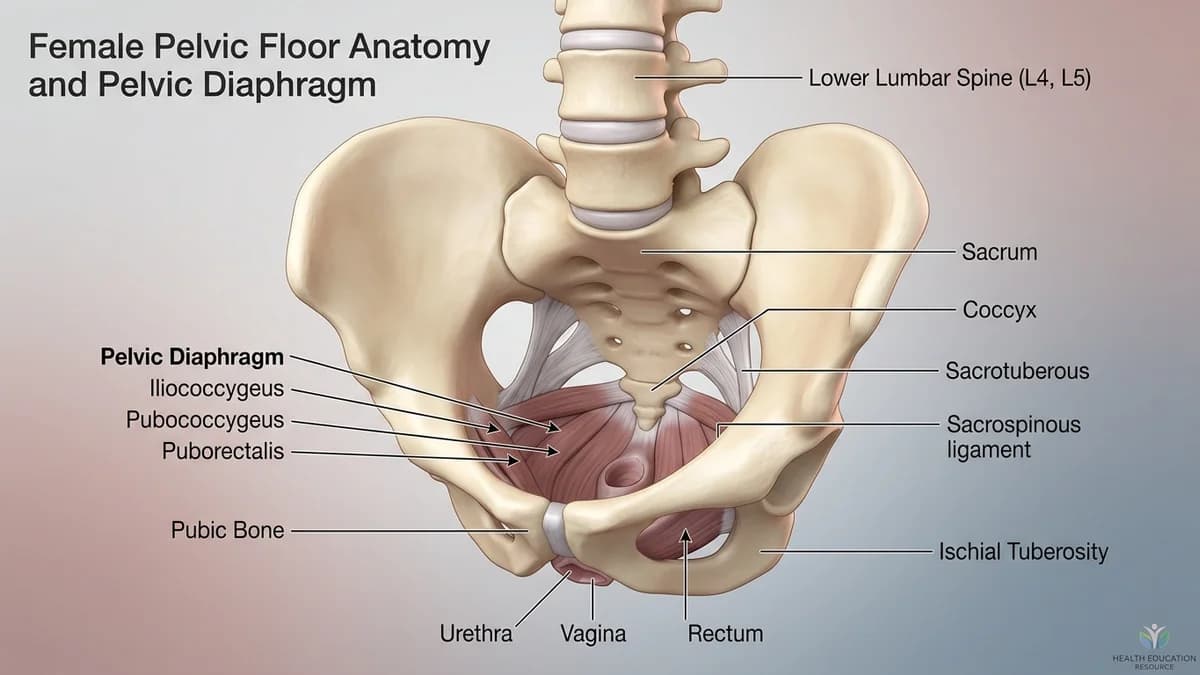
In penile inversion vaginoplasty, a neovaginal cavity is dissected between the bladder and rectum, piercing through the levator ani muscle sling. The body treats this surgical cavity as a deep wound, initiating aggressive myofibroblastic wound contraction that attempts to close the space. To prevent stenosis and preserve neovaginal depth and width, patients must follow a rigorous, lifelong dilation protocol using graduated medical dilators. If the surrounding puborectalis and obturator internus muscles enter a state of hypertonic protective spasm, dilator insertion becomes agonizing or impossible. Pelvic floor down-training releases muscular restriction, allowing smooth, trauma-free dilation.
2. Domestic Indian Context: Daily Chores, Ergonomics, and Privacy
Transgender and non-binary individuals in India navigate profound societal, familial, and healthcare vulnerabilities. Many individuals live in shared community accommodations (such as gharanas or shared rentals) where finding a private, sterile space for 3 to 4 daily 30-minute dilation sessions is exceptionally difficult. Discrimination or lack of awareness among general healthcare providers often leaves patients feeling isolated when complications arise. Specialized pelvic health physiotherapists provide an inclusive, safe, and affirming environment, offering practical guidance on sterile dilator hygiene, lubricant selection, and pelvic floor relaxation.
3. Clinical Special Tests and Physical Examination
Clinical evaluation is conducted with explicit consent and trauma-informed sensitivity. The clinician evaluates external surgical scar healing, checks for granulation tissue or hyperkeratosis, assesses neovaginal depth and width using calibrated medical dilators, and evaluates resting levator ani muscle tone and breath-synchronized relaxation.
| Post-Surgical Phase | Prescribed Dilation Frequency | Primary Clinical Challenge | Physiotherapy Rehabilitation Focus |
|---|---|---|---|
| Weeks 1 to 12 | 3 to 4 times daily (20-30 min) | Acute wound swelling, severe muscle spasm | Diaphragmatic drops, gentle tissue desensitisation |
| Months 3 to 6 | 2 times daily (20-30 min) | Scar contracture, dilator sizing transition | Myofascial release of puborectalis, scar glide |
| Months 6 to 12 | Once daily (15-20 min) | Maintaining functional depth and width | Dynamic pelvic coordination & postural integration |
| Long-Term Life | 1 to 2 times weekly or sexual activity | Lifelong tissue maintenance | Independent pelvic health and continence habits |
4. Stage-by-Stage Functional Physiotherapy Protocol
Rehabilitation centres on reducing autonomic nervous distress, releasing levator ani spasm, and achieving comfortable, smooth dilator progression.
Phase 1: Pre-Dilation Diaphragmatic Calming and Pelvic Drop
Objective: Calm the central nervous system threat response and relax the pelvic floor before inserting the dilator.
- 1Lie in a comfortable semi-reclined position in a private, locked room with knees bent and supported by pillows.
- 2Place your hands on your lower abdomen and take 5 slow, deep diaphragmatic breaths through your nose.
- 3As you inhale, consciously visualize your pelvic floor softening, opening, and widening like an expanding flower.
- 4Exhale gently through open lips without any active muscle contraction.
- 5Notice the feeling of pelvic release before preparing your dilator.
Phase 2: Breath-Assisted Dilator Insertion Technique
Objective: Synchronize dilator advancement with physiological pelvic floor descent to eliminate pain.
- 1Warm the prescribed medical silicone dilator in clean warm water and apply generous sterile water-based lubricant to both the dilator and introitus.
- 2Rest the dilator tip gently against the neovaginal entrance.
- 3Take a slow, deep inhale through your nose into your belly, feeling your pelvic floor drop downward.
- 4As the pelvic floor drops, gently guide the dilator inward at a 45-degree angle toward your lower back.
- 5Never force against resistance. Hold the dilator at full comfortable depth for the prescribed duration while breathing steadily.
Phase 3: Perineal and Scar Desensitisation with Coconut Oil
Objective: Mobilize external surgical scars and desensitise sensitive nerve endings around the labia and introitus.
- 1Apply a few drops of pure coconut oil or medical lubricant to clean fingertips.
- 2Apply gentle circular massage around the external labial scars and the perineal body.
- 3Perform light parallel skin stretches to increase tissue flexibility and reduce friction sensitivity.
- 4Breathe calmly, allowing local tissues to adapt comfortably to touch.
Contact your gender-affirming surgeon immediately if you notice: active arterial bleeding from the neovagina, passing gas or stool through the neovagina (indicating a rectovaginal fistula), inability to urinate for over 6 hours, severe foul-smelling purulent discharge with high fever, or sudden loss of more than 3 centimetres of neovaginal depth.
5. Clinic Consultation, Home Visits, and Transparent Fee Benchmarks
Under the National Commission for Allied and Healthcare Professions (NCAHP) Act 2021, patients in India can consult a registered pelvic health physiotherapist directly without an upfront referral, though BookPhysio.in does not ask for one. Specialized gender-affirming pelvic physiotherapy is delivered with absolute confidentiality and respect in private treatment suites. Clinic consultations in Indian cities range between ₹500 and ₹1,500, with home visits ranging from ₹700 to ₹2,000 where available. Patients pay their physiotherapist directly at each consultation, with zero platform commission.
6. Frequently Asked Questions
Why is medical dilation so painful after vaginoplasty in India?
Pain during dilation is usually caused by involuntary protective spasm of the surrounding levator ani muscles, coupled with early scar tissue contracture. If you anticipate pain, the pelvic floor clenches tighter, creating a physical barrier. Pelvic floor physiotherapy teaches you how to consciously relax the levator ani, making dilation smooth and comfortable.
Can I use coconut oil for neovaginal dilation in India?
Pure medical-grade water-based lubricant is strictly recommended during the initial 3 to 6 months post-surgery because it is sterile, easy to clean, and will not degrade medical silicone dilators. Cold-pressed coconut oil can be used for external labial scar massage once approved by your surgeon, but avoid using unsterile oils internally while tissues are healing.
Related recovery guides & articles
BookPhysio.in Editorial Team
The BookPhysio.in editorial team writes and maintains this content, checking it against reliable clinical sources. Content follows our medical review policy: general information only, and no page claims a clinical review until a named registered physiotherapist has signed it off.
Read our medical review policy