
Postpartum Abdominal Binding: Traditional Chundadi Wrapping vs Medical Compression in India
In short
Wrapping the abdomen after delivery is a revered Indian tradition. Learn the clinical science separating traditional tight saree binding from evidence-based medical compression.
In this guide (6 sections)
Postpartum abdominal binding is one of the most deeply ingrained cultural traditions across India. Known variously as chundadi wrapping, saree petticoat tying, or odhni bandhan, new mothers are customarily wrapped tightly from ribs to hips immediately following birth by grandmothers or traditional birth attendants (dais). Cultural tradition promises that tight binding will 'flatten the stomach', push the internal organs back into place, and restore pre-pregnancy shape. While gentle external compression provides valuable proprioceptive support and lumbar stability, excessively tight, non-elastic binding creates severe downward intra-abdominal pressure that can worsen pelvic organ prolapse and urinary incontinence. Clinical physiotherapy provides evidence-based clarity on safe abdominal compression.
1. Functional Biomechanics: The Toothpaste Tube Effect and Pelvic Floor Loading
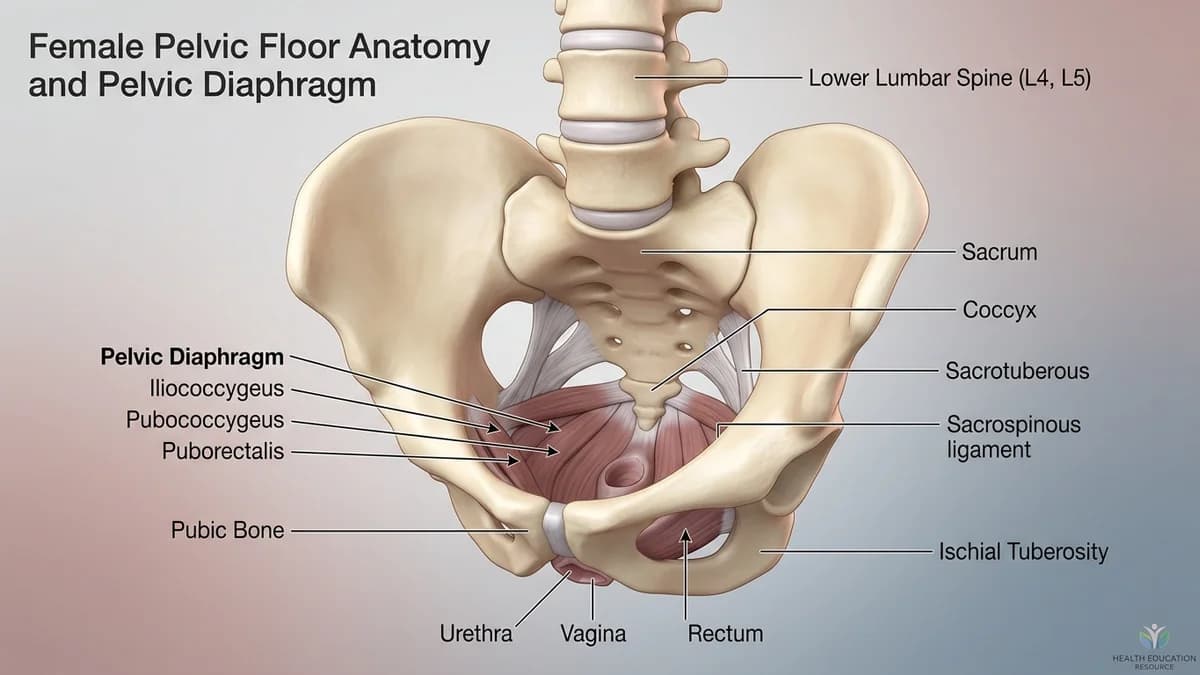
The abdominal-pelvic cavity is a closed hydraulic cylinder. When an unyielding, non-elastic cotton saree is wrapped tightly around the midsection like a corset, intra-abdominal pressure increases dramatically. Because the dense cotton cloth cannot expand, this pressure follows the path of least resistance: upward against the respiratory diaphragm (restricting breathing) and downward against the vulnerable, healing pelvic floor. This biomechanical phenomenon, termed the 'toothpaste tube effect', places continuous strain on the levator ani and bladder neck, directly increasing the risk of uterine prolapse and stress urinary incontinence. Medical-grade compression belts, by contrast, feature graduated elasticity that supports the abdominal wall without downward displacement.
2. Domestic Indian Context: Daily Chores, Ergonomics, and Privacy
In Indian joint families, elders often insist on binding the new mother tightly for the entire 40-day jaapa confinement period. When a mother undergoes a caesarean delivery, tight cotton wrapping directly compresses the healing Pfannenstiel incision, trapping moisture, causing friction, and increasing infection risks. Furthermore, relying entirely on passive binding gives mothers a false sense of security, delaying active core muscle rehabilitation. Physiotherapists help bridge family tradition and modern medical science by recommending breathable, elastic compression supports and educating family members on safe pressure balance.
3. Clinical Special Tests and Physical Examination
Assessment evaluates resting intra-abdominal pressure management, checking for downward perineal descent during voluntary coughing while wearing the binder. The clinician measures inter-recti distance (IRD), checks the surgical scar for signs of friction irritation, and evaluates respiratory diaphragm excursion during breathing.
| Clinical Feature | Traditional Cotton Saree Wrapping | Medical-Grade Compression Belt | Physiotherapy Recommendation |
|---|---|---|---|
| Material Elasticity | Rigid, non-yielding cotton fabric | Graduated breathable medical elastic | Elasticity allows normal diaphragmatic breath |
| Pressure Distribution | Focal constriction ('toothpaste tube') | Evenly distributed, upward supportive lift | Avoids downward pelvic floor displacement |
| Caesarean Scar Safety | Traps moisture, friction over incision | Smooth, breathable, non-irritating | Protects scar while allowing tissue healing |
| Primary Purpose | Cultural aesthetic flattening promise | Proprioceptive support and stability | Short-term adjunct while actively exercising |
4. Stage-by-Stage Functional Physiotherapy Protocol
Compression should serve as a temporary aid during early upright activities, paired with active core re-education to build internal muscular support.
Phase 1: Safe Medical Compression Belt Application Technique
Objective: Apply supportive compression from bottom to top, encouraging upward visceral support.
- 1Lie flat on your back on a firm bed with your knees bent to allow pelvic organs to settle naturally.
- 2Position the medical belt beneath your lower back, aligning the bottom edge with your pubic bone.
- 3Secure the lowest strap first just above the pubic bone with moderate tension.
- 4Secure the middle and upper straps with slightly lighter tension so you can slip a flat hand comfortably under the top edge.
- 5Take 3 deep breaths to confirm your ribcage expands freely without restriction.
Phase 2: Active Core Engagement beneath the Supportive Binder
Objective: Prevent muscle disuse atrophy by actively contracting deep stabilisers inside the belt.
- 1While wearing the supportive binder in seated or standing posture, place your hands over your abdomen.
- 2Inhale gently through your nose, letting your belly expand slightly against the belt.
- 3As you exhale through pursed lips, consciously pull your belly away from the inside of the belt toward your spine.
- 4Hold this active muscular contraction for 5 seconds while continuing to breathe smoothly.
- 5Release gently, teaching your transversus abdominis to remain active rather than relying passively on the binder.
Phase 3: Systematic Binder Weaning and Functional Integration
Objective: Gradually transition off external compression as internal muscular stiffness and linea alba tension return.
- 1Beginning at 6 weeks postpartum, remove the binder for light indoor household activities.
- 2Wear the binder only during prolonged standing, grocery shopping, or strenuous tasks.
- 3By week 8, transition entirely to independent active core stability without external support.
- 4Continue performing your progressive core and pelvic floor exercise programme daily.
Remove your abdominal wrap immediately and consult your obstetrician if you experience: sudden increased vaginal bleeding (lochia flare-up), severe pelvic heaviness or a feeling of something falling out of the vagina, shortness of breath, pain and redness along a caesarean incision, or severe cramping.
5. Clinic Consultation, Home Visits, and Transparent Fee Benchmarks
Under the National Commission for Allied and Healthcare Professions (NCAHP) Act 2021, patients in India can consult a registered physiotherapist directly without an upfront referral, though BookPhysio.in does not ask for one. Pelvic health physiotherapists evaluate abdominal separation and guide safe binder selection. Clinic consultations in Indian cities range between ₹500 and ₹1,500, with home visits ranging from ₹700 to ₹2,000 where available. Patients pay their physiotherapist directly at each consultation, with zero platform commission.
6. Frequently Asked Questions
Will wrapping my stomach tightly with a saree flatten my belly after delivery?
No. External binding compresses superficial tissues temporarily, but it cannot burn abdominal fat, tighten stretched skin, or rebuild core muscle strength. True abdominal tone requires active neuromuscular exercise to restore tension across the linea alba and deep abdominal wall.
Can I wear an abdominal binder after a caesarean section in India?
Yes, but it must be a medical-grade, breathable elastic binder, not a tight, rigid cotton saree. A properly fitted medical belt stabilizes the surgical wound, reduces pain during walking, and supports the lower back. Ensure the material is non-irritating and keep the incision clean and dry.
Related recovery guides & articles
BookPhysio.in Editorial Team
The BookPhysio.in editorial team writes and maintains this content, checking it against reliable clinical sources. Content follows our medical review policy: general information only, and no page claims a clinical review until a named registered physiotherapist has signed it off.
Read our medical review policy