
Postpartum Dyspareunia: Painful Intimacy, Pelvic Down-Training, and Vaginal Dryness Guidance in India
In short
Pain during intimacy after childbirth is common, whether from episiotomy scars, hormonal dryness, or pelvic floor tension. Discover how down-training and physiotherapy restore comfort.
In this guide (6 sections)
Postpartum dyspareunia, persistent or recurrent genital pain occurring before, during, or after sexual intercourse following childbirth, affects over 40 percent of women during the first six months postpartum. In Indian culture, where open discussions regarding marital intimacy are deeply constrained by modesty, women often feel immense pressure to resume physical relations after the customary 40-day postpartum resting period (jaapa). Many women endure severe stinging, burning, or deep pelvic aching in silence, fearing they have suffered permanent physical damage. Dyspareunia is an identifiable, treatable combination of lactational hormonal changes, scar tissue tension, and protective pelvic floor guarding that responds effectively to specialized physiotherapy.
1. Functional Biomechanics: Lactational Hypoestrogenism and Protective Guarding
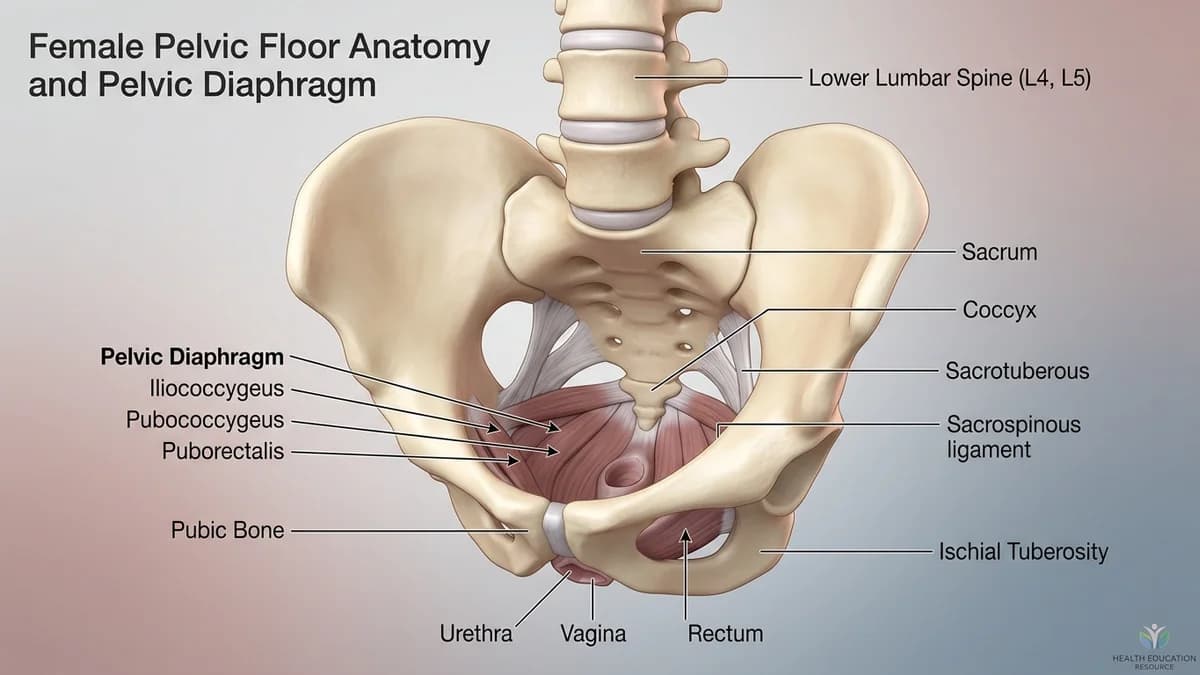
Two primary physiological mechanisms drive postpartum dyspareunia. First, high levels of prolactin during exclusive breastfeeding suppress ovarian oestrogen production, creating a temporary state of lactational hypoestrogenism. Low oestrogen thins the vaginal mucosa, depletes glycogen stores, and reduces natural transudate lubrication, making tissues vulnerable to friction tears. Second, if a woman experienced an episiotomy, tear, or prolonged delivery, the anticipation of pain triggers a reflexive protective spasm in the puborectalis and obturator internus muscles. When penetration is attempted against contracted, unlubricated tissues, mechanical microtrauma occurs, reinforcing the vicious cycle of pain and muscle tension.
2. Domestic Indian Context: Daily Chores, Ergonomics, and Privacy
Living in a busy joint family adds profound psychological layers to postpartum intimacy. Infant sleep disruptions, fatigue from domestic chores, lack of private couple time, and pressure from elder family members regarding marital harmony can elevate baseline stress hormones. In addition, many couples in India rely on petroleum jelly or saliva for lubrication, both of which can alter vaginal pH and increase irritation. Physiotherapists provide clear, practical guidance on selecting high-grade, pH-balanced lubricants, communicating with partners, and scheduling intimacy when both partners are rested.
3. Clinical Special Tests and Physical Examination
Clinical evaluation distinguishes between superficial dyspareunia (pain at the vaginal entrance) and deep dyspareunia (pain during deep thrusting). Superficial examination assesses episiotomy scar elasticity and mucosal hydration. Deep palpation assesses tone and tenderness in the levator ani, obturator internus, and uterosacral ligament attachments.
| Clinical Dimension | Superficial Dyspareunia | Deep Dyspareunia | Physiotherapy Solution |
|---|---|---|---|
| Pain Location | Vaginal entrance (introitus), perineum | Deep pelvis, lower abdomen, cervix | Specific targeting based on anatomical depth |
| Common Triggers | Initial penetration, wiping, tight clothes | Deep thrusting, specific sexual positions | Desensitisation vs positional modifications |
| Primary Cause | Episiotomy scar, low oestrogen dryness | Levator spasm, retroverted uterus, adhesions | Scar massage, lubricant, pelvic down-training |
| Medical Adjunct | Vaginal moisturiser, topical oestrogen | Gynaecological review for endometriosis/cysts | Collaborative gynaecological and physio care |
4. Stage-by-Stage Functional Physiotherapy Protocol
Rehabilitation progresses through tissue hydration, scar desensitisation, and neuromuscular down-training to restore pain-free intimate function.
Phase 1: Pelvic Floor Down-Training with Supported Child's Pose (Balasana)
Objective: Decompress the deep levator ani and obturator internus muscles using gravity and diaphragmatic breathing.
- 1Kneel on a soft floor mat with your big toes touching and knees placed wide apart.
- 2Place a bolster or stacked pillows between your thighs.
- 3Fold your torso forward onto the bolster, resting your chest and cheek comfortably.
- 4Inhale deeply into your lower back and pelvis, feeling your sit bones widen and your perineum soften completely.
- 5Exhale slowly and let all tension drain from your hips and jaw without any active muscle clenching.
Phase 2: Obturator Internus Internal Myofascial Stretch
Objective: Release deep lateral pelvic wall muscle spasm that frequently causes deep vaginal aching.
- 1Lie on your back with knees bent and feet resting flat on the floor.
- 2Keep your feet together and let both knees gently drop open to the sides (butterfly position / Supta Baddha Konasana).
- 3Place cushions beneath your outer thighs so your groin muscles feel fully supported without straining.
- 4Place one hand on your lower belly and breathe softly, allowing the pelvic floor muscles to lengthen passively.
- 5Remain in this restorative posture for 2 to 3 minutes.
Phase 3: The 'Elevator Down' Somatic Motor Re-Education Drill
Objective: Build precise voluntary control over lowering pelvic floor resting tone to allow comfortable entry.
- 1Sit upright on a firm chair with feet flat and spine lengthened.
- 2Imagine your pelvic floor is an elevator resting at the ground floor.
- 3Take a gentle breath in and consciously send the elevator down into the 'basement', feeling the perineum drop and widen.
- 4Maintain this open, widened basement state for 5 seconds while continuing normal breathing.
- 5Release back to the neutral ground floor, training your nervous system to access relaxed states on demand.
Seek medical review promptly if you experience: heavy vaginal bleeding following intercourse, severe pelvic pain that does not resolve after a few hours, fever and foul-smelling vaginal discharge, or pain so intense that it prevents sitting or walking.
5. Clinic Consultation, Home Visits, and Transparent Fee Benchmarks
Under the National Commission for Allied and Healthcare Professions (NCAHP) Act 2021, patients in India can consult a registered pelvic health physiotherapist directly without an upfront referral, though BookPhysio.in does not ask for one. Pelvic health consultations are carried out with sensitivity and strict privacy in dedicated clinical rooms. Clinic sessions across Indian cities typically range from ₹500 to ₹1,500, with home visits ranging from ₹700 to ₹2,000 where available. Patients pay the physiotherapist directly at each consultation, with zero platform commission.
6. Frequently Asked Questions
What kind of lubricant is safest for postpartum intimacy in India?
Choose a pure, water-based or silicone-based medical lubricant that is free from glycerin, parabens, artificial warming chemicals, and synthetic fragrances. If you are exclusively breastfeeding and experiencing severe dryness, consult your gynaecologist regarding a prescription for low-dose topical vaginal oestrogen cream, which safely restores tissue thickness and moisture without affecting breast milk supply.
Is it normal to still feel pain during intimacy 6 months after having a baby?
While pain during intimacy is common in the early months, it is not considered normal or something you must endure. Persistent pain at 6 months typically indicates untreated scar tension, pelvic floor hypertonicity, or mucosal dryness. A consultation with a pelvic health physiotherapist can identify the exact driver and restore pain-free comfort.
Related recovery guides & articles
BookPhysio.in Editorial Team
The BookPhysio.in editorial team writes and maintains this content, checking it against reliable clinical sources. Content follows our medical review policy: general information only, and no page claims a clinical review until a named registered physiotherapist has signed it off.
Read our medical review policy