
Postpartum Pelvic Girdle Pain: Sacroiliac Joint Laxity, Compression Belts, and Rehabilitation in India
In short
Sharp pain in the buttock, sacroiliac joint, or groin after childbirth can make walking and bed transfers difficult. Discover how pelvic compression belts and targeted physiotherapy restore stability.
In this guide (6 sections)
Postpartum pelvic girdle pain (PGP) is a disabling condition causing sharp, stabbing pain over the sacroiliac joints (SIJ), posterior buttock, and pubic symphysis following childbirth. In India, women suffering from PGP are frequently told that joint aches are a normal postpartum complaint that will disappear on their own, or they are advised to remain in bed for months. However, persistent PGP is primarily driven by asymmetric force closure failure across the pelvic ring rather than simple hormonal laxity. Active neuromuscular rehabilitation, combined with temporary pelvic compression belt fitting, provides effective relief and restores safe functional mobility.
1. Functional Biomechanics: Form Closure versus Force Closure of the Pelvis
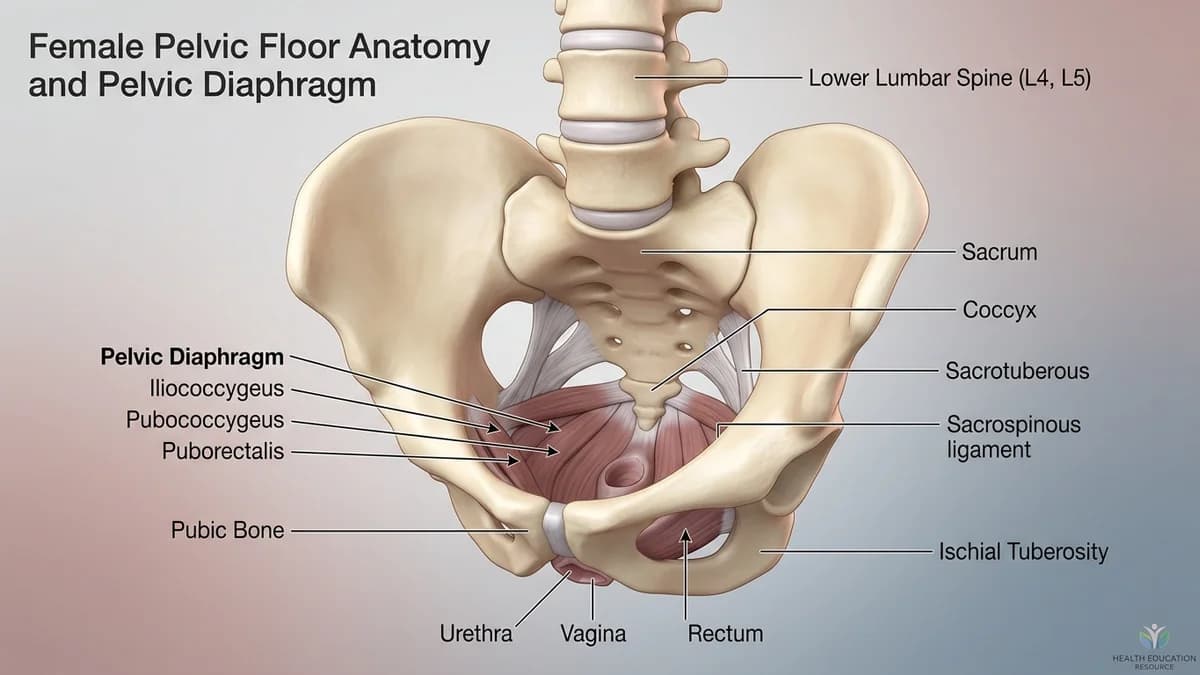
The pelvic ring relies on two interdependent mechanisms described by Vleeming: form closure and force closure. Form closure is provided by the interlocking wedge shape of the sacrum within the iliac bones and dense sacrotuberous and sacroiliac ligaments. During pregnancy and lactation, hormonal relaxin increases ligamentous compliance. To maintain stability, the body must ramp up force closure, dynamic compression generated by the transverse abdominal wall, gluteus maximus, latissimus dorsi (via the thoracolumbar fascia), and the pelvic floor. When dynamic force closure is delayed or asymmetric, shearing forces across the sacroiliac joints create sharp localised pain during weight bearing.
2. Domestic Indian Context: Daily Chores, Ergonomics, and Privacy
In Indian homes, daily activities like turning over in bed on a firm mattress, stepping over door sills (dehleez), climbing stairs in multi-storey family homes, and sitting cross-legged on the floor place high asymmetrical torsional stress on the pelvis. Mothers often struggle to lift their infant from a low cot without sharp catching pain in the buttock. A properly positioned pelvic compression belt acts as external force closure, stabilising the SI joints during essential household chores while active gluteal and core rehabilitation is underway.
3. Clinical Special Tests and Physical Examination
Diagnosis relies on validated provocative clinical tests: the Posterior Pelvic Pain Provocation (P4) test (pain reproduced by vertical thigh thrust in supine), the Active Straight Leg Raise (ASLR) test (scoring difficulty from 0 to 5, with re-testing under manual pelvic compression), and the Patrick FABER test to differentiate hip joint pathology from sacroiliac involvement.
| Diagnostic Feature | Postpartum Pelvic Girdle Pain (SIJ) | Lumbar Disc Radiculopathy | Hip Joint Osteoarthritis |
|---|---|---|---|
| Pain Location | Fortin finger area, groin, buttock | Radiates below knee to foot (dermatomal) | Deep groin pain, anterior thigh ache |
| Primary Aggravation | Turning in bed, single-leg stance, stairs | Prolonged sitting, spinal forward flexion | Weight bearing, internal hip rotation |
| Response to Pelvic Belt | Immediate ease in ASLR test score | Zero improvement or slight worsening | No mechanical change in joint symptoms |
| Rehabilitation Strategy | Symmetrical core and gluteal force closure | Directional preference and nerve gliding | Hip capsular mobility and joint loading |
4. Stage-by-Stage Functional Physiotherapy Protocol
Rehabilitation focuses on restoring bilateral pelvic force closure, beginning with symmetrical load transfers and progressing to stable single-leg control.
Phase 1: Proper Pelvic Compression Belt Application and Log-Roll Transfers
Objective: Apply external mechanical force closure below the anterior superior iliac spines to stabilise the pelvic ring.
- 1Stand upright or lie supine with your knees slightly bent.
- 2Position the non-elastic belt across the top of your greater trochanters (the prominent bony bumps on the sides of your hips), well below your waist.
- 3Tighten the main strap with moderate tension, then pull the secondary elastic side bands forward to achieve firm compression without restricting breathing.
- 4When turning in bed, keep your knees squeezed together and roll your shoulders and hips as a single unit (log-roll) to eliminate pelvic twisting.
Phase 2: Symmetrical Isometric Gluteal Bridges with Resistance Band
Objective: Activate gluteus maximus and deep pelvic stabilisers to restore active posterior force closure.
- 1Lie on your back with knees bent at 90 degrees and feet placed hip-width apart.
- 2Place a light resistance band just above your knees and maintain gentle outward pressure.
- 3Exhale softly, engage your pelvic floor, and press firmly through your heels to lift your hips.
- 4Create a straight diagonal line from your knees to your shoulders without hyperextending your lower back.
- 5Hold for 5 seconds while breathing steadily, then lower under slow control.
Phase 3: Supported Split-Stance Squat (Lunge Prep) with Pelvic Alignment
Objective: Re-train asymmetrical load tolerance safely while maintaining neutral pelvic symmetry.
- 1Stand alongside a sturdy kitchen counter or table for hand support.
- 2Step one foot forward by about two feet and the other foot back, resting on the rear ball of the foot.
- 3Keep your pelvis facing square to the front like headlights on a car.
- 4Inhale as you lower both knees slightly into a shallow 30-degree split squat.
- 5Exhale and drive through your front heel to return to the starting position without pelvic shifting.
Seek emergency medical care if you develop: sudden loss of bowel or bladder sensation, numbness in the perineal saddle area, progressive weakness in your feet (such as foot drop), or severe unremitting pain accompanied by fever and joint swelling, which could indicate septic sacroiliitis.
5. Clinic Consultation, Home Visits, and Transparent Fee Benchmarks
In India, under the National Commission for Allied and Healthcare Professions (NCAHP) Act 2021, patients can consult a registered physiotherapist directly without an upfront referral, though BookPhysio.in does not ask for one. For postpartum mothers struggling to walk or travel due to severe SIJ pain, home visits provide safe bed-transfer training and precise belt fitting. Outpatient clinic visits across Indian cities typically range between ₹500 and ₹1,500, while home sessions range from ₹700 to ₹2,000. All fees are paid directly to the attending physiotherapist at each consultation.
6. Frequently Asked Questions
Where exactly should a pelvic compression belt sit on my hips?
A common mistake is wearing the belt around the waist like a back support. A pelvic compression belt must be placed lower, across the greater trochanters (the bony landmarks on the sides of your upper thighs) and just below the anterior superior iliac spine (hip bones). Wearing it too high increases abdominal pressure without stabilising the sacroiliac joints.
Will wearing a pelvic belt make my hip and core muscles weak?
No, when used correctly as a short-term therapeutic aid. The belt provides immediate mechanical stability that reduces pain, allowing you to walk, stand, and perform active strengthening exercises. It is worn during weight-bearing activities for 3 to 6 weeks while you actively train your internal muscular force closure, after which it is gradually weaned off.
Related recovery guides & articles
BookPhysio.in Editorial Team
The BookPhysio.in editorial team writes and maintains this content, checking it against reliable clinical sources. Content follows our medical review policy: general information only, and no page claims a clinical review until a named registered physiotherapist has signed it off.
Read our medical review policy